Sierra Leonean fishermen blame Chinese trawlers for depleting coastal stocks
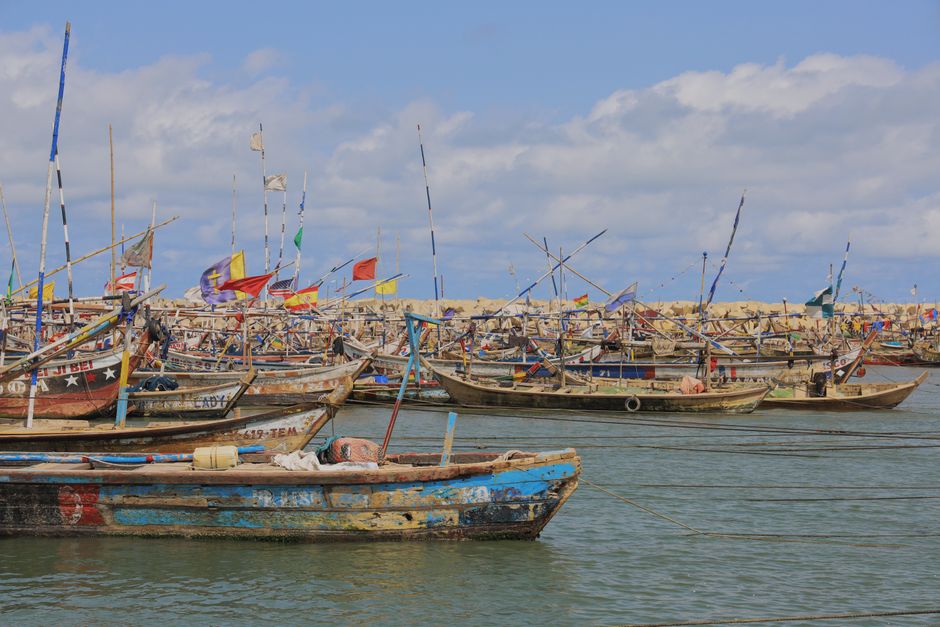
Along the Atlantic coastline of Sierra Leone, small-scale fishermen say their daily catch has dwindled to a fraction of what it once was. Many in the artisanal fleet blame the presence of large foreign trawlers, particularly Chinese vessels, accusing them of operating illegally in territorial waters and stripping the seabed of fish.
The complaints echo a wider concern across West Africa, where governments and coastal communities have for years questioned the conduct of distant-water fleets licensed to operate in some of the world’s richest fishing grounds. Local fishermen describe returning to shore with empty nets, unable to compete with industrial ships equipped with onboard freezers and the capacity to remain at sea for weeks.
A livelihood under pressure
For generations, fishing has been more than an occupation in Sierra Leone’s coastal communities — it has sustained families, supplied local markets and shaped cultural identity. Today, many of those communities report growing hardship, with younger men leaving the trade and households struggling to afford protein that was once abundant.
Artisanal crews argue that industrial trawlers often encroach on inshore zones reserved for small-scale fishing. Some vessels, they say, switch off their automatic identification systems to avoid detection, while others operate under permits whose terms are not publicly scrutinised. The result, according to local fishermen, is an uneven contest in which small boats with paddles and nets are pitted against multimillion-dollar ships.
Regional and international scrutiny
Sierra Leone is not alone in confronting the issue. Governments from Senegal to Gabon have faced similar accusations against distant-water fleets, and regional bodies have called for stronger monitoring, transparent licensing and tougher penalties for illegal, unreported and unregulated fishing. International organisations have described West African waters as among the most vulnerable in the world to overexploitation.
Beijing has, in various forums, said it supports sustainable fisheries management and has encouraged its fleet to comply with local laws. Monitoring groups, however, continue to document cases of Chinese-linked vessels flagged for infractions across the region, fuelling the perception among coastal communities that enforcement remains weak.
Calls for stronger oversight
Fishermen’s associations in Sierra Leone are urging the authorities to expand patrolling of coastal waters, publish the terms of all foreign fishing licences and ensure that any vessel caught fishing illegally is prosecuted. Environmental advocates argue that without such measures, the pressure on fish stocks will intensify, threatening both marine biodiversity and food security.
With livelihoods, ecosystems and diplomatic relations all entangled in the debate, the fate of Sierra Leone’s fisheries has become a test of how West African governments balance economic interests, sovereign rights and the demands of communities who depend on the sea.
Source: BBC News — read the original report.