Uganda Officials Hold Crisis Meeting Over Rising School Tour Road Accidents
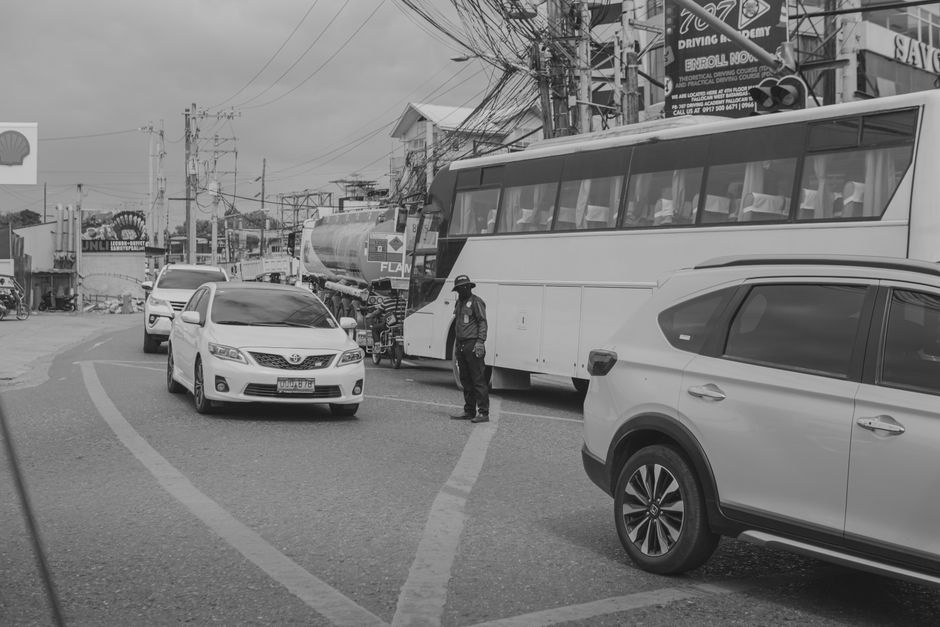
Officials from Uganda’s Ministry of Education and Sports, Ministry of Works and Transport, and the Uganda Police Force have convened a crisis meeting to address what authorities describe as a worrying rise in road accidents involving schoolchildren travelling for educational study tours.
The meeting reflects growing concern among policymakers and law enforcement about the safety of pupils and students being transported across the country for excursions, field visits, and academic trips. Such outings are a common feature of Uganda’s school calendar, with institutions organising travel to historical sites, national parks, industrial facilities, and other educational destinations.
Safety Concerns for School Excursions
School study tours in Uganda have long been valued as an extension of classroom learning, offering students exposure to environments and experiences beyond their schools. However, the increasing frequency of road incidents involving these trips has raised questions about the regulation, oversight, and safety standards of vehicles used to transport pupils.
Concerns typically centre on the condition of buses and coaches hired for school travel, the qualifications and fitness of drivers, adherence to traffic regulations, and the adequacy of supervision during long-distance journeys. Rural roads, which are often the routes taken to reach popular excursion destinations, can present additional hazards, particularly during the rainy season.
Inter-Ministerial Coordination
The involvement of three key government bodies — education, transport, and police — signals an effort to address the issue through coordinated action rather than fragmented responses. The Ministry of Education and Sports oversees school operations and curriculum-related travel, while the Ministry of Works and Transport is responsible for vehicle standards, driver licensing, and road safety regulations. The Uganda Police Force plays a central role in traffic enforcement and accident investigation.
By bringing these stakeholders together, authorities appear to be seeking a unified approach that could include stricter inspections of vehicles used for school travel, enhanced driver vetting, clearer guidelines for schools organising tours, and stronger enforcement of traffic laws on routes frequently used by school groups.
Broader Road Safety Context
Road safety remains a significant challenge across Uganda and the wider East African region, where traffic fatalities rank among the leading causes of preventable death. The World Health Organization has consistently flagged sub-Saharan Africa as the region with the highest road traffic death rates globally. Within this context, the vulnerability of schoolchildren — often travelling in large groups — has drawn particular attention from safety advocates.
Civil society groups and road safety campaigners have repeatedly called for stronger measures to protect passengers in public and private transport, including better enforcement of speed limits, mandatory seatbelt use, and improved vehicle inspection regimes.
Looking Ahead
It remains to be seen what specific measures will emerge from the inter-agency discussions. Parents, teachers, and school administrators will be watching closely to see whether the meeting produces concrete regulations or enforcement actions aimed at safeguarding students during what is intended to be a positive and educational experience.
Source: AllAfrica — read the original report.