Mali’s junta faces renewed jihadist threat in the north as attacks raise fears for Timbuktu
Mali’s military-led government is confronting one of the most serious security escalations in months, as a wave of coordinated attacks by jihadist fighters targets army positions across the country’s vast northern hinterland. The renewed offensive has revived concerns about the stability of the historic city of Timbuktu, a UNESCO World Heritage Site that has long sat at the centre of Mali’s struggle with armed Islamism.
A coordinated northern offensive
The assaults have been attributed to the Jama’at Nusrat al-Islam wal-Muslimin (JNIM), one of the most active Salafi-jihadist groups operating in the Sahel, operating alongside its Tuareg-armed ally, the Front de Libération de l’Azawad (FLA). Reports indicate that the attacks were coordinated across several positions in the north, suggesting a level of operational planning that underscores the insurgents’ continued capacity despite years of counter-operations by Malian forces and their foreign partners.
The timing of the offensive places further pressure on the military authorities in Bamako, who came to power pledging to restore sovereignty and security across the country. The junta had positioned itself as a more effective alternative to the civilian governments that preceded it, but the latest assaults suggest that the security picture in much of northern Mali remains fragile.
Timbuktu back in the spotlight
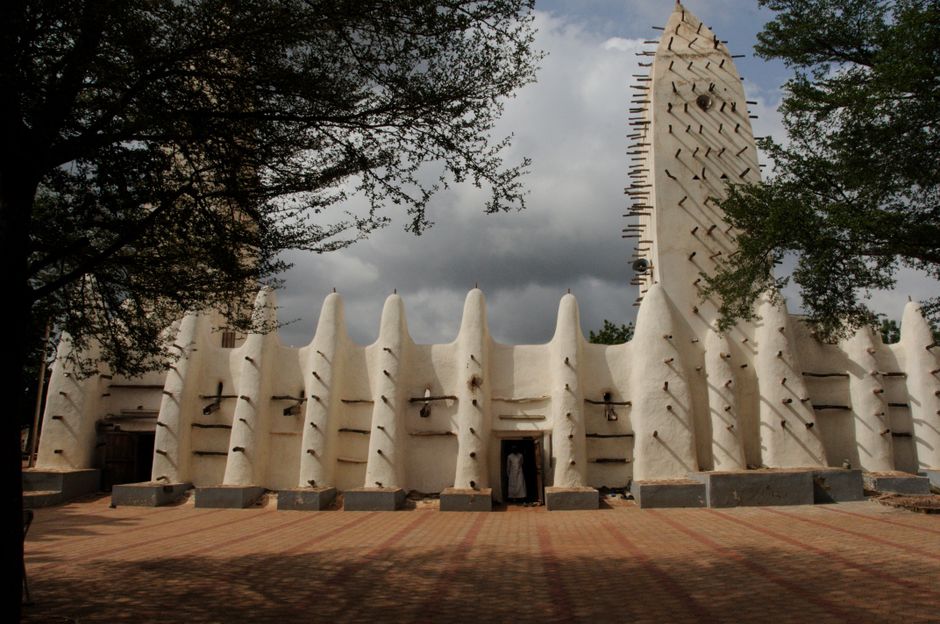
Timbuktu carries particular symbolic weight. The ancient trading and scholarly centre, famed for its centuries-old mud-brick mosques and manuscripts, fell to jihadist and Tuareg separatist forces in 2012 before being retaken by French and Malian troops the following year. Its recapture was hailed as a milestone in international efforts to roll back the insurgency in the Sahel. Any renewed threat to the city would carry heavy political and cultural consequences for the junta, both domestically and abroad.
A regional insurgency under strain
The Mali offensive comes against the backdrop of a broader restructuring of security relationships across the Sahel. Mali, along with Burkina Faso and Niger, has pulled away from former French and Western military partnerships in favour of closer cooperation with Russia. Critics have warned that the withdrawal of Western troop presence could create vacuums that armed groups are quick to exploit, though the junta has dismissed such concerns as foreign interference.
An uncertain outlook
For now, the immediate question is whether Mali’s armed forces can stabilise the affected northern positions and prevent further territorial gains by the insurgents. Analysts say the coordinated nature of the attacks suggests that JNIM and the FLA may be seeking to demonstrate that no part of the north, including symbolic strongholds like Timbuktu, is beyond their reach. The coming weeks are likely to test both the resolve of Mali’s military leadership and the limits of the country’s stretched security apparatus in one of the most unforgiving terrains on the continent.
Source: FRANCE 24 — read the original report.