Food emergency deepens across Uganda’s Karamoja region
A deepening food emergency is unfolding across Uganda’s Karamoja sub-region, where prolonged drought, erratic rainfall, and persistent insecurity are pushing already vulnerable communities closer to the brink of hunger. Humanitarian organizations operating in the area have raised alarm over worsening conditions affecting hundreds of thousands of people in one of the country’s most marginalised regions.
A region under chronic stress
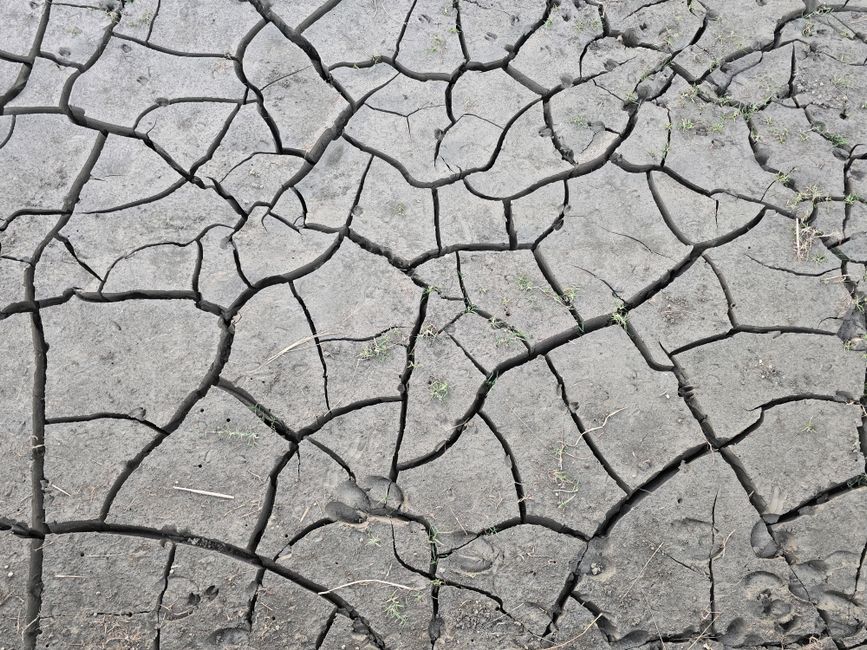
Karamoja, a vast semi-arid expanse in northeastern Uganda, has long struggled with food insecurity driven by a combination of environmental and structural challenges. Recurring droughts have reduced crop yields and decimated livestock herds, the primary source of livelihood for many of the region’s pastoralist communities. Climate variability has compounded the problem, with successive failed rainy seasons leaving farmland parched and water sources depleted.
Aid agencies working in the region say that traditional coping mechanisms, once relied upon by families to bridge lean periods, are no longer sufficient. The depletion of cattle and goats, which serve as both food stores and economic buffers, has left many households with few options for recovery.
Compounding factors
Beyond the climate pressures, insecurity in parts of Karamoja continues to disrupt agricultural activities and limit access to markets. Historical tensions over land and water resources, including cattle raiding, have at times forced communities to abandon their fields and flee to safer areas, abandoning harvests in the process. Displacement has further weakened food production capacity in the region.
Limited infrastructure and the remote nature of many communities also complicate the delivery of humanitarian assistance. Poor road networks, particularly during the rainy season, make it difficult to reach those most in need with food aid, nutritional support, and veterinary services for surviving livestock.
Children and women most at risk
Humanitarian workers have expressed particular concern about the impact of the crisis on children and pregnant or breastfeeding women, who are especially vulnerable to malnutrition. Stunting and wasting rates in Karamoja have consistently ranked among the highest in Uganda, and aid groups warn that deteriorating conditions could push these figures even higher without urgent intervention.
Calls for sustained response
International and local organisations are urging both the Ugandan government and donors to scale up emergency food assistance, strengthen early warning systems, and invest in long-term resilience programs. These include drought-resistant seed varieties, water harvesting infrastructure, and livestock restocking initiatives aimed at helping communities rebuild their herds.
Without a coordinated and well-funded response, aid workers caution that the food emergency in Karamoja could deepen further, with consequences for both human welfare and regional stability in a part of Uganda that remains acutely exposed to climate and economic shocks.
Source: Al Jazeera — read the original report.