Nigerians Want Cheaper Petrol, but Renewed Hormuz Tensions Are Keeping Prices High
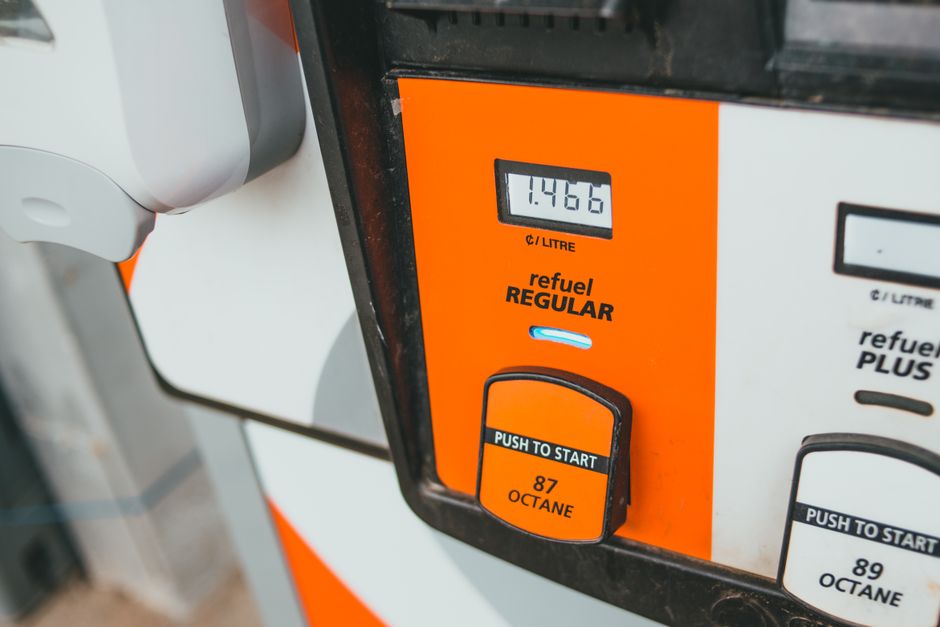
Across Nigerian cities and towns, motorists and traders have been pressing for petrol prices to return to the levels they enjoyed before the latest round of geopolitical turbulence disrupted global energy markets. Despite Nigeria’s status as a major crude oil producer on the African continent, consumers at the pump have continued to feel the squeeze, and analysts say the renewed battle for control of shipping lanes near the Strait of Hormuz is doing little to ease the burden on households and businesses.
Why the Hormuz Strait Matters for Nigeria
The Strait of Hormuz, a narrow waterway between Iran and the Arabian Peninsula, is one of the most strategically important chokepoints in the global energy supply chain. A significant share of the world’s seaborne crude oil passes through it every day. Any escalation of tensions in the region, whether through military confrontation, sanctions, or threats to shipping, tends to send shockwaves through international oil markets. Even countries far from the Persian Gulf, including Nigeria, feel those effects almost immediately at the fuel pump.
Nigeria’s Persistent Fuel Import Challenge
Although Nigeria sits on substantial crude reserves, its downstream refining capacity has long struggled to meet domestic demand. The country continues to rely on imported refined petroleum products to bridge the gap between local output and consumption. When global crude prices rise, as they typically do during periods of Hormuz-related uncertainty, the cost of those imports climbs as well, and that increase is passed on to consumers.
The Strain on Households and Small Businesses
For ordinary Nigerians, higher petrol prices translate directly into higher transportation costs, which in turn push up the price of food, goods, and services. Drivers of public minibuses, market traders, and small-scale entrepreneurs are particularly exposed to fuel price volatility. Civil society groups and consumer advocates have called on the government to find ways to shield citizens from the worst of the impact, including through targeted subsidies or improved domestic refining capacity.
Outlook
Until geopolitical tensions around the Strait of Hormuz ease and global oil markets stabilise, analysts warn that Nigerians hoping for a return to cheaper petrol may have to wait. In the longer term, experts argue that expanding and modernising domestic refining infrastructure would give the country greater resilience against external shocks and reduce its dependence on imported fuel.
Source: Premium Times via AllAfrica — read the original report.
More From Economy & Business
De Beers to suspend production at flagship South African mine as diamond demand weakens
Nigeria’s Energy Crossroads: Balancing the Dangote Effect With Climate Commitments