Kenya Court Ebola Quarantine Ruling Exposes Deeper Clash Over Biomedical Sovereignty
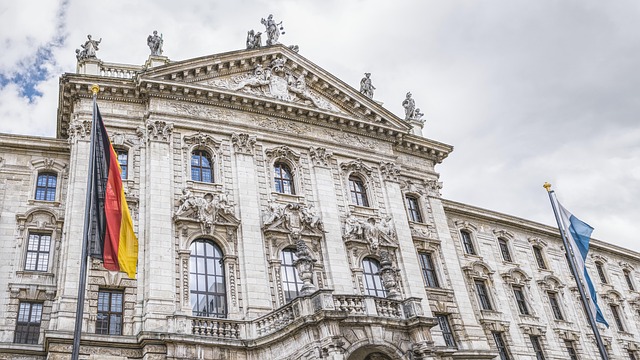
A Kenyan High Court has temporarily halted the opening of a United States-sponsored Ebola quarantine facility in the country, delivering a sharp rebuke to plans that had drawn criticism from rights groups and sparked a broader debate over biomedical sovereignty across Africa.
The facility, intended to house American nationals who may have been exposed to the Ebola virus ahead of the World Cup, was proposed as part of coordinated health measures between Washington and Nairobi. But the plan quickly became a political lightning rod, with critics arguing it effectively created a tiered healthcare system on Kenyan soil — one set of protocols for foreign nationals, another for Kenyan citizens who might also need isolation and care.
What the Court Decided
The ruling came after a rights organisation filed a petition arguing that the facility violated Kenya sovereignty over public health decisions and potentially discriminated against Kenyan patients. The petition also raised questions about the legal status of US personnel who would operate the centre, and whether they would be subject to Kenyan jurisdiction.
Kenya has recorded no confirmed Ebola cases, but the country sits in a region on edge. Uganda has confirmed new Ebola infections tied to the Bundibugyo strain that originated in the Democratic Republic of Congo. The DRC outbreak has killed more than 140 people and has been classified by the World Health Organization as a Public Health Emergency of International Concern. Kenyan health officials say they are monitoring the situation closely but have emphasised that border screening and community surveillance are their primary tools.
A precedent that extends far beyond Kenya
The outcome of the court case will have implications beyond Kenya. Several African governments are currently navigating requests from international organisations and foreign governments to establish dedicated isolation facilities for their own nationals. The precedent set in Nairobi could reshape how the continent handles external health partnerships for years to come.
Rights advocates say the ruling sets an important marker: African governments cannot simply outsource public health decisions to foreign interests, however well-intentioned. When a wealthy country offers to build its own isolation facility on African soil, the question is not just about public health logistics. It is about whose standards apply, whose laws govern, and what it means for a country to exercise genuine control over the health emergencies that touch its own people.
The World Cup Complication
The timing is fraught. The World Cup arrives in weeks, bringing tens of thousands of international visitors into a region where Ebola is an active threat. Several host cities have been in discussions with foreign governments about special health arrangements for their own nationals. The Kenyan ruling will be watched closely by planners in every country touched by the tournament — and by civil liberties groups who worry that the urgency of health security is being used to normalise arrangements that would otherwise be rejected.
For now, Nairobi government must present its case before the court can make a final ruling. In the meantime, health workers on the ground say they remain focused on the real threat: a DRC outbreak that shows no sign of slowing, a World Cup arriving imminently, and a region where the line between national health security and geopolitical goodwill is being tested for the first time in living memory.