Cairo Consultations Spotlight the Diplomatic Contest Shaping the Horn of Africa and Red Sea
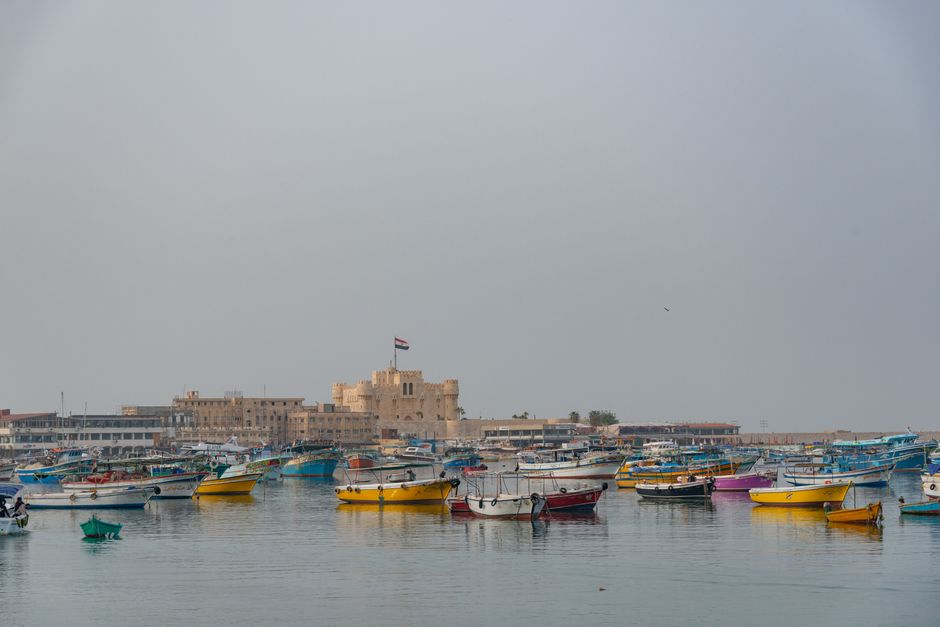
A fresh round of diplomatic consultations hosted in Cairo has drawn renewed attention to the intensifying competition for influence across the Horn of Africa and the wider Red Sea basin. The meetings underscore how a region once treated as peripheral to global power politics has become a focal point for governments and international institutions seeking to secure trade routes, counter extremist networks, and project strategic reach.
A strategic corridor under pressure
The Red Sea is one of the world’s most important maritime chokepoints, carrying a significant share of global container shipping and energy supplies between Asia and Europe. Ports along its African and Arabian shores — including Djibouti, Berbera, Port Sudan, and Assab — have attracted investment, military bases, and political attention from a growing list of external actors. Security incidents affecting commercial vessels in recent years have further heightened the stakes for governments reliant on uninterrupted maritime trade.
Multiple players, overlapping interests
Egypt, situated at the northern entrance of the Red Sea through the Suez Canal, has long treated the Horn of Africa as a sphere of vital national interest. Cairo maintains close ties with Sudan and has engaged diplomatically with Somalia, Eritrea, and Ethiopia as the latter navigates disputes over the Grand Ethiopian Renaissance Dam and access to Red Sea ports. Beyond Egypt, Gulf states such as Saudi Arabia and the United Arab Emirates have expanded their economic and security footprint in the region, while Turkey has deepened its military and commercial engagement, particularly in Somalia. Western governments, the African Union, and the Intergovernmental Authority on Development (IGAD) continue to pursue stabilisation efforts through mediation, training programmes, and humanitarian support.
Why the region matters now
Analysts point to a confluence of factors driving the renewed diplomatic activity. Conflict in Sudan has created refugee flows and security vacuums along the Red Sea’s western flank. Competition over port access and infrastructure financing has intensified as Ethiopia, one of Africa’s largest economies without a direct coastline, seeks reliable maritime gateways. Meanwhile, concerns over piracy, smuggling, and the activities of armed groups have made coordinated governance of the sea lanes a recurring topic in bilateral and multilateral forums.
Cairo’s convening role
Hosting consultations in the Egyptian capital reflects a broader pattern of middle powers positioning themselves as conveners in regional disputes. By facilitating dialogue among Horn of Africa states and external partners, Egypt seeks to reinforce its role as a diplomatic hub bridging Africa, the Arab world, and the Mediterranean. The outcomes of such meetings are rarely immediate, but they contribute to a gradual process of confidence-building at a time when the geopolitical stakes in the Red Sea region continue to rise.
Source: Al Jazeera — read the original report.