West African Nations Back $25bn Trans-Regional Gas Pipeline Project
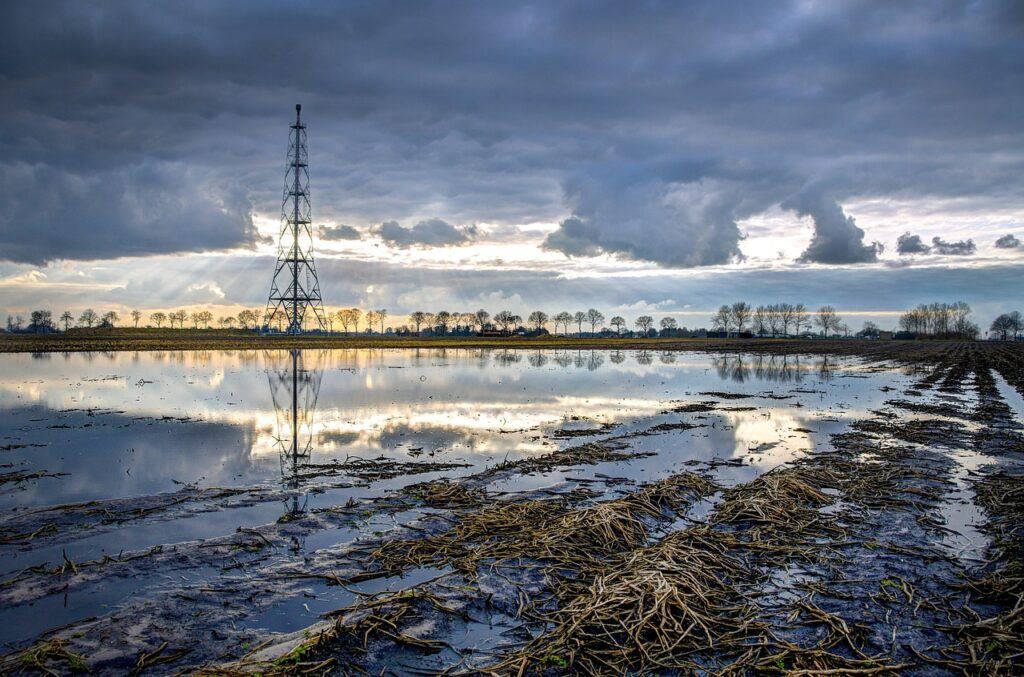
Fourteen West African countries have given formal backing to an ambitious cross-border natural gas pipeline project valued at $25 billion. Stretching roughly 6,000 kilometres along the Atlantic coastline, the network is expected to become one of the largest regional energy infrastructure undertakings on the continent, with construction scheduled to begin in 2028.
A continental-scale energy corridor
The pipeline is designed to link gas-producing nations in the Gulf of Guinea with demand centres across West and North Africa, creating a unified transport backbone for natural gas. By running parallel to the Atlantic seaboard, the route is expected to connect multiple economies that currently rely on imported fuels or operate isolated energy grids. Proponents say the project could reshape energy access for tens of millions of households and provide a reliable feedstock supply for power generation, fertiliser production and industrial users.
Economic and strategic significance
Regional officials have framed the pipeline as a cornerstone of deeper economic integration, comparable in ambition to other large-scale infrastructure corridors pursued elsewhere in Africa. The $25 billion price tag reflects the scale of engineering works involved, including compressor stations, processing facilities and undersea or coastal segments that must traverse diverse terrain. The project is also expected to generate significant employment during both the construction and operational phases, and to unlock stranded gas reserves that currently lack viable export routes.
Financing and implementation outlook
While the political sign-off from participating states marks a key milestone, observers note that the project will require substantial international financing, technical partnerships and transparent governance arrangements to move from blueprint to delivery. Construction is not slated to start until 2028, giving planners and investors time to finalise cost-sharing models, environmental safeguards and cross-border regulatory frameworks. The success of the pipeline will likely depend on sustained cooperation among the 14 signatory countries, many of which face their own fiscal and political pressures.
Implications for the region’s energy future
If completed, the trans-West African pipeline could accelerate the transition from heavier fuels to natural gas across the region, while also positioning participating countries as potential suppliers to European markets seeking to diversify away from traditional sources. Energy analysts caution, however, that the project must be balanced against global momentum toward renewables, and that long-term gas demand assumptions will need careful scrutiny. For now, the agreement signals a shared determination among West African governments to treat energy infrastructure as a regional rather than purely national concern.
The mega pipeline will be watched closely by governments, investors and development partners across Africa and beyond, as it moves into its next phases of planning and financing.
Source: BBC News — read the original report.