New Monkey Species Confirmed in Congo’s Forests
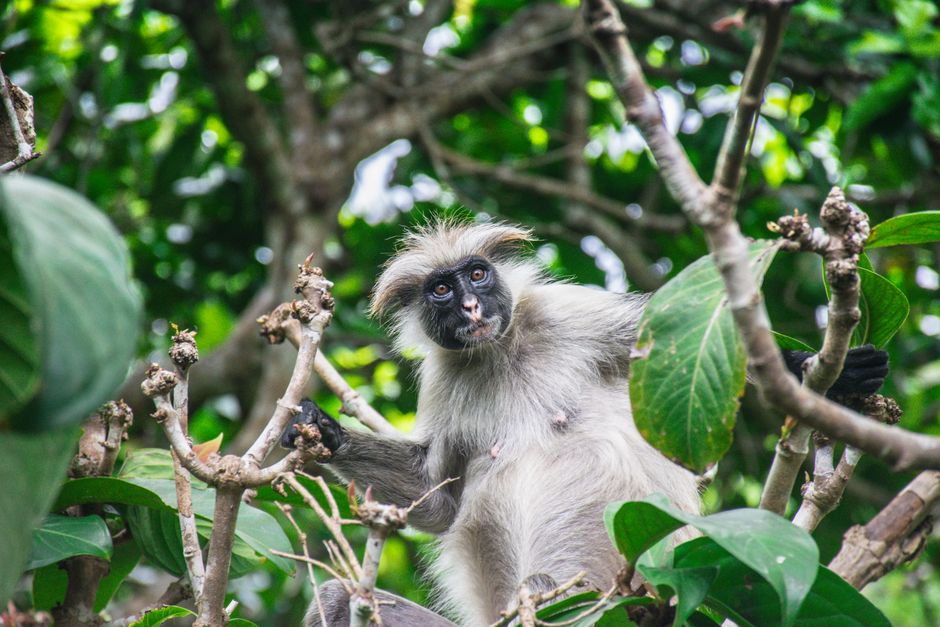
A previously undocumented primate has been confirmed as a new species by scientists working in the forests of the Democratic Republic of Congo. The animal, named Colobus congoensis, is distinguished by a black face framed by strikingly pinkish-orange lips, a feature that sets it apart from other members of the colobus monkey family.
A Distinctive Discovery
The identification of Colobus congoensis adds to a growing body of research highlighting the rich and still incompletely catalogued biodiversity of Central Africa’s rainforests. Colobus monkeys are leaf-eating primates typically known for their long tails, slender builds, and often striking coats of black and white fur. Researchers say the new species stands out within the group because of its unusual facial coloration, which is unlikely to be confused with any known relative.
Life in the Congo Basin
The species inhabits forested terrain in the DRC, part of the Congo Basin, the world’s second-largest tropical rainforest after the Amazon. The region is widely recognised as a critical refuge for primates and other wildlife, much of which remains poorly studied due to the challenges of fieldwork in remote and often inaccessible terrain. The confirmation of a new primate underscores how much of the region’s natural heritage has yet to be scientifically described.
Implications for Conservation
Documenting new species is considered a fundamental step in conservation planning, as protection strategies often depend on a clear understanding of what lives where. Scientists say the discovery highlights the importance of continued biological surveys in Central Africa, where deforestation, mining and armed conflict have placed enormous pressure on forest ecosystems. Recognising Colobus congoensis as a distinct species could, researchers note, draw fresh attention to the need to safeguard the habitats it depends on.
The team behind the finding has called for further fieldwork to determine the full range of the new species and to assess how its population is faring. As with many of the Congo Basin’s forest dwellers, the challenges of reaching its habitat mean that basic questions about its behaviour, diet and ecology remain to be answered.
Source: AllAfrica — read the original report.
More From Environment & Science
New primate species with distinctive orange lips discovered in DR Congo rainforest
Italy steps up Po River cleanup as algae bloom spreads amid heatwave