Sixteen Girls Dead, Scores Injured: The Utumishi School Fire That Kenya Cannot Ignore
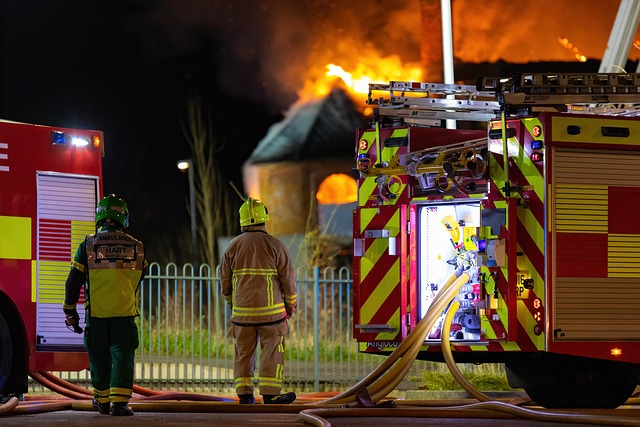
On the night of May 27th, a dormitory at Utumishi Girls Secondary School in Gilgil, central Kenya, became a tomb. Fire swept through the building before dawn, killing at least sixteen students and injuring seventy-nine more. Among the survivors, many are fighting for their lives in hospital burns units that were already overstretched before this tragedy arrived.
The fire has reignited an uncomfortable national conversation about fire safety in Kenyan boarding schools — a conversation the government has resisted having for years. School fires in Kenya are not new. In 2021, at least 31 students died in a similar dormitory fire at a secondary school in Nairobi. In 2019, three students died in a fire at a school in Kericho. The pattern is depressingly familiar: new national outrage, parliamentary promises, and then silence until the next tragedy.
A School Fire in an Election Year, With Political Fault Lines Running Through It
For the government of President William Ruto, this fire arrives at a deeply inconvenient moment. Kenya is less than two years from its next general election. The Finance Bill 2026 is stalled in parliament after business lobbies mobilised against it. Transport strikes disrupted Nairobi just weeks ago. And now images of black smoke rising from a girls school dormitory are filling television screens across the country.
Education Minister Dr. Julius Muthama has announced a national audit of all boarding school fire safety infrastructure. He has also directed school heads to conduct immediate evacuation drills. Past experience suggests these audits produce binders full of recommendations that gather dust in ministry offices. The fact that Utumishi — a school with an otherwise decent academic record — could suffer this disaster suggests that whatever protocols existed on paper were not translating into practice. The survivors and their families are not interested in audits that arrive after the dead are already buried.
What Made This Fire So Deadly
Early investigations point to a combination of factors that will be familiar to anyone who has studied previous Kenyan school fires. The dormitory was overcrowded. Exit routes were either locked or too narrow to allow rapid evacuation. The building construction used materials that burned quickly and emitted toxic smoke. No sprinkler system was in operation — which is hardly unusual for a public school in central Kenya, but that fact deserves far more urgency than it typically receives in the aftermath of these tragedies.
Fire safety standards in Kenyan schools exist on paper. The State Department for Education has building codes that require fire exits and specify maximum occupancy. Enforcement, however, is almost nonexistent outside of Nairobi more affluent neighbourhoods. Schools in counties like Nakuru, where Gilgil is located, are inspected rarely and superficially when they are inspected at all.
A Generation Grief, Unprocessed
The victims were teenage girls between the ages of twelve and eighteen. Their families are scattered across central Kenya rural communities — small-scale farmers, mechanics, merchants in roadside markets. For many of them, their daughter education was the family single largest investment. The idea that they sent a child to school believing she would be educated, not killed, feels like a trust that has been violated.
Kenya psychosocial support infrastructure for school disaster survivors is thin. A handful of government psychologists were deployed to Gilgil within forty-eight hours, but the system cannot come close to meeting demand. Community groups and churches have filled some of the gap. But the trauma of watching a dormitory burn with your friends inside, or arriving at the school gates to find your daughter has been declared dead, does not fit neatly into a two-hour debrief with a counsellor.
The grieving process, for these families and for the wider community, will extend far beyond the headline cycle. And it should — because the structural conditions that made this fire possible remain in place across hundreds of other schools. The question is whether this particular tragedy proves fatal enough to finally produce systemic change, or whether it joins the long list of Kenyan school fires that became old news within a fortnight.