Rwanda Maintains Low Mother-to-Child HIV Transmission Rate, Latest Health Report Shows
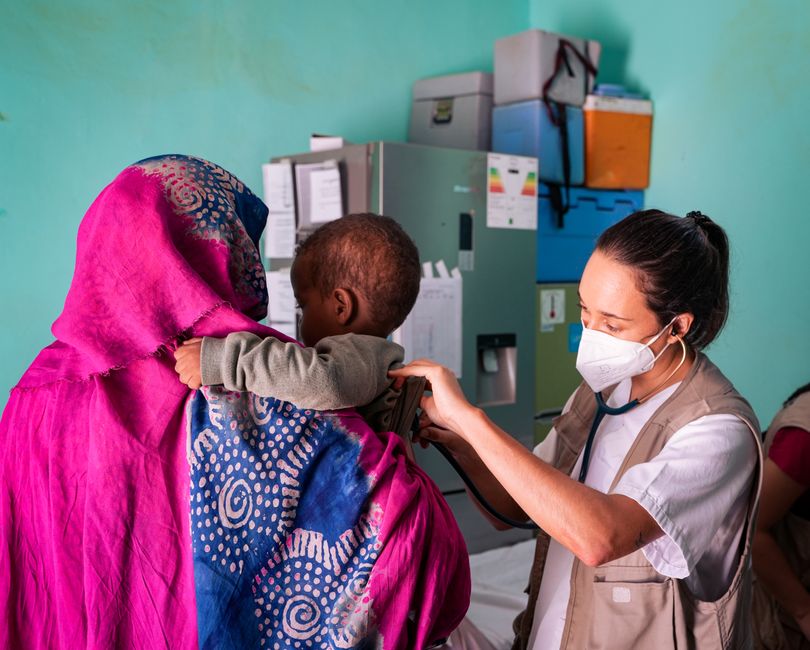
Rwanda has maintained a mother-to-child HIV transmission rate below 2 percent over the past decade, even as the figure edged up slightly in the most recent reporting period, according to the Rwanda Biomedical Centre (RBC) HIV, STIs, and Viral Hepatitis Annual Report 2024/2025.
The report, published by the state-run institution that coordinates the country’s response to HIV and related diseases, shows that transmission from mother to child rose modestly from 0.9 percent to 1.1 percent compared with the previous year. Health authorities consider rates below a certain threshold as a key benchmark for eliminating pediatric HIV infections, and Rwanda has consistently reported figures within that range for several years.
A decade of progress
Rwanda’s sustained performance on mother-to-child transmission reflects long-term investment in antenatal care, HIV testing for pregnant women, and access to antiretroviral therapy. Health centres across the country routinely offer HIV screening as part of standard maternal health services, allowing medical staff to identify expectant mothers living with the virus and begin treatment early to reduce the risk of transmission during pregnancy, childbirth, or breastfeeding.
The country has also expanded programmes aimed at keeping mothers on treatment after delivery and monitoring the health of infants born to HIV-positive parents. Public health experts have pointed to such continuity of care as a major factor in keeping transmission rates low across sub-Saharan Africa, the region most affected by HIV globally.
Why the slight uptick matters
Although the year-on-year increase from 0.9 to 1.1 percent remains well within the range that international health bodies associate with progress toward elimination, health officials typically view any reversal of the downward trend as a signal to reinforce outreach and follow-up services. The RBC report is expected to inform discussions among policymakers and health workers about where additional support may be needed.
Health authorities across the continent have repeatedly stressed that even small fluctuations in transmission rates require continued vigilance, as complacency or gaps in service delivery can quickly erode gains made over many years.
Broader context
Sub-Saharan Africa accounts for the majority of new HIV infections worldwide, and several countries in the region have set their own targets aligned with global efforts to end AIDS as a public health threat by 2030. Rwanda’s experience is often cited as an example of how strong primary healthcare infrastructure and political commitment to universal access can translate into measurable results.
The RBC’s annual report covers a wide range of indicators beyond mother-to-child transmission, including testing coverage, treatment uptake, and the prevalence of other sexually transmitted infections. It serves as one of the principal reference documents for HIV programming in the country and is likely to shape health sector priorities in the coming year as Rwanda continues to consolidate its position among African nations making steady progress against the epidemic.
Source: AllAfrica — read the original report.