Pakistan Reportedly Steps Into Mediation Role Over Libya Reunification Talks
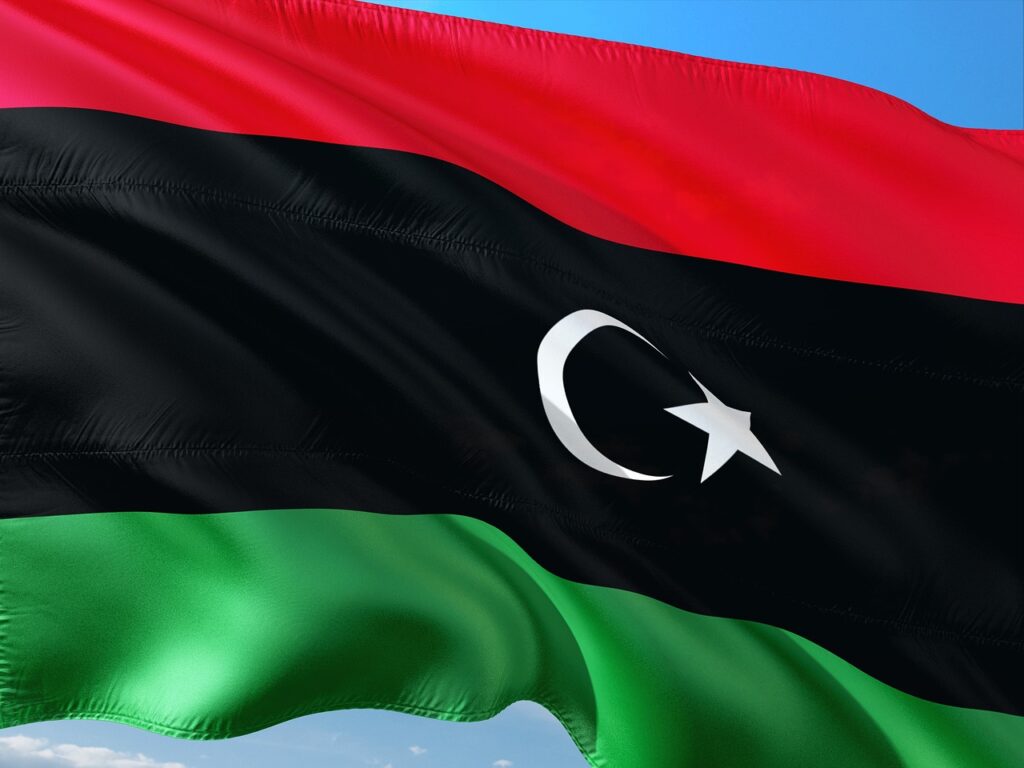
Pakistan has reportedly entered the diplomatic arena over Libya’s long-running political fragmentation, with news agency Reuters reporting that Islamabad has begun mediation efforts aimed at reunifying the North African country. The move, if confirmed in detail, would add a South Asian capital to the already crowded list of foreign governments and international bodies seeking to bridge the country’s divisions.
A divided country seeking unity
Libya has remained split between rival administrations in the east and west since the 2011 uprising that toppled long-time ruler Muammar Gaddafi. The country has hosted multiple internationally backed dialogue tracks over more than a decade, each producing fragile ceasefires, temporary power-sharing arrangements, and repeated breakdowns in negotiations. Successive rounds of talks in Geneva, Tunis, Cairo, and other venues have so far failed to produce a durable settlement acceptable to all major political and military actors.
Pakistan’s diplomatic outreach
According to the Reuters report, Pakistan is positioning itself as a mediator in the reunification process, a role that would expand Islamabad’s diplomatic footprint in the Mediterranean and North African region. Pakistan has historically maintained cordial relations with Libya and has engaged with Libyan stakeholders on humanitarian and consular matters, though it has not been a central player in past mediation rounds dominated by the United Nations, neighbouring states, and Western governments.
Analysts note that any new mediation track enters an environment already shaped by competing initiatives, including the UN-led political process and efforts by countries such as Egypt, Turkey, Italy, and Gulf states that maintain influence over different Libyan factions. The challenge for any external broker, observers say, is not the absence of dialogue but the difficulty of translating agreements into functioning state institutions capable of holding elections, controlling armed groups, and delivering basic services.
Broader regional stakes
Libya’s instability has continued to reverberate across the Sahel and the central Mediterranean, with smuggling networks, armed groups, and migration flows drawing in regional and European powers. A successful reunification effort would carry implications far beyond Tripoli, potentially reshaping security cooperation, energy markets, and migration policy across a wide arc from West Africa to Europe. Whether Pakistan’s reported mediation adds momentum to that long-sought outcome, or becomes one more entry in a long list of stalled initiatives, will depend on the willingness of Libyan factions themselves to compromise.
Source: Africanews — read the original report.