Nigeria Approves Major Military Expansion Amid Pressure to Tackle Armed Groups
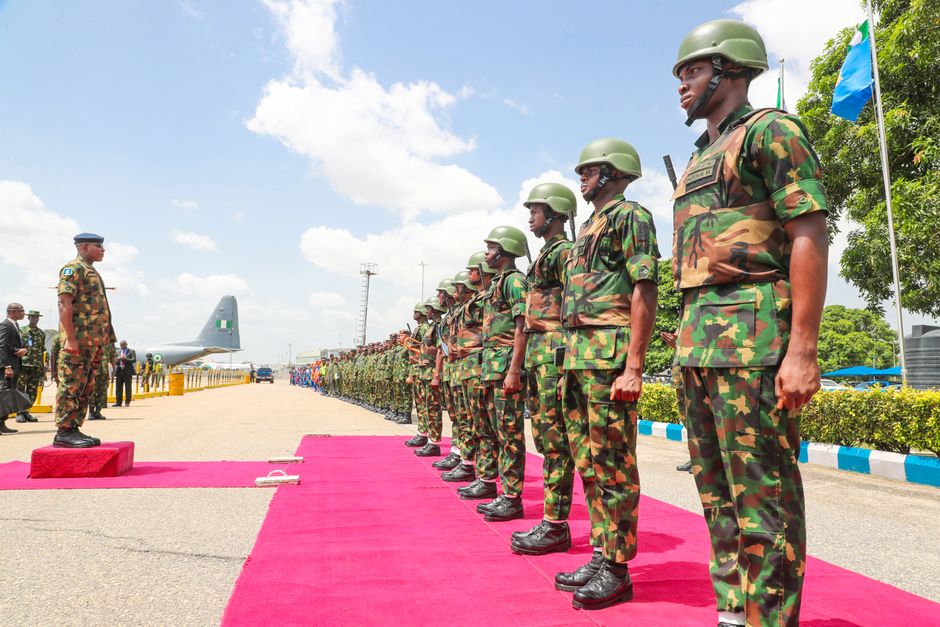
Nigeria’s president has approved the country’s largest military expansion in recent times, a move that reflects growing concern over the proliferation of armed groups targeting civilians across several regions. The decision underscores the scale of the security challenges confronting Africa’s most populous nation, where multiple insurgencies and criminal networks have stretched security forces thin.
A Response to Mounting Insecurity
The government has been working under intense pressure to rein in a disparate array of armed actors, including militant groups in the northeast, bandit networks in the northwest, and separatist movements in the southeast. Attacks on villages, abductions of schoolchildren, and assaults on military and civilian targets have become recurring features of the country’s security landscape, drawing criticism from citizens and international observers alike.
The expansion is expected to involve the recruitment of additional personnel and the strengthening of defence capabilities, though the government has emphasised that the broader goal is to protect communities and restore stability in regions where ordinary Nigerians have long felt abandoned by the state.
Challenges Facing the Armed Forces
Nigeria’s military has struggled with issues of equipment shortages, personnel fatigue, and the difficulty of operating across vast and often difficult terrain. The country faces threats from jihadist insurgencies in the Lake Chad Basin, heavily armed criminal gangs operating from forest hideouts, and a complex separatist crisis in the southeast. Each of these challenges demands different tactical responses, and analysts have repeatedly pointed to the need for improved coordination, intelligence sharing, and community engagement.
Human rights organisations have also called for any expansion of military operations to be accompanied by greater accountability and respect for international humanitarian law, noting that past operations have sometimes been marred by allegations of abuses against civilians.
Broader Regional Implications
Nigeria’s security situation has ripple effects across West Africa. The flow of weapons, the displacement of populations, and the economic disruption caused by insecurity have spilled over into neighbouring countries, making regional cooperation an increasingly important element of any response. The Nigerian government has previously worked with partners in the Lake Chad region and the broader Economic Community of West African States to address cross-border threats.
What Lies Ahead
Increasing the size of the military is only one part of a much wider puzzle. Experts argue that lasting security will also depend on addressing the underlying grievances — poverty, unemployment, and weak governance — that have allowed armed groups to recruit and operate. For now, the president’s approval of the expansion signals a recognition that the status quo is untenable, and that Nigeria’s leaders are willing to commit significant resources to confronting the threat.
Source: BBC News — read the original report.
More From Conflict & Security

South Africa probes death of Nigerian man who collapsed during arrest
Arrest of Nigerian soldier over alleged links to criminals deepens scrutiny of military conduct