DR Congo: Growing trust brings more Ebola patients to treatment centres

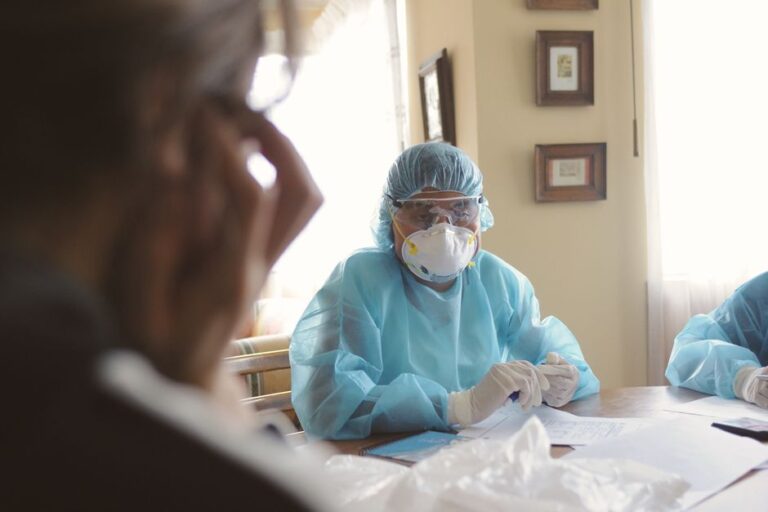
Health authorities in the Democratic Republic of Congo have reported a steady rise in the number of Ebola patients arriving at dedicated treatment centres, a trend they attribute to growing confidence among communities hit by the country’s latest outbreak. The shift is being closely watched as a potential turning point in efforts to contain a virus that has proved difficult to control in areas marked by deep mistrust of outside medical responders.
Since the outbreak was declared in mid-May, roughly 1,000 deaths have been recorded, according to figures cited in recent reporting. Notably, the vast majority of those fatalities have occurred within communities rather than inside treatment facilities — a pattern that has historically pointed to late presentation of cases, resistance to medical intervention, and the lingering stigma surrounding the disease.
Why community trust matters
Public health specialists have long stressed that the success of an Ebola response depends less on the availability of drugs or vaccines than on the willingness of affected populations to engage with medical teams. In previous outbreaks in the region, rumours, fear of isolation, and the political baggage of past interventions have driven families to hide the sick or treat them at home, dramatically increasing the risk of transmission.
The recent uptick in patients presenting at treatment centres suggests that door-to-door engagement by community health workers, the involvement of local leaders, and a more visible humanitarian presence are beginning to shift public attitudes. Earlier in the outbreak, several treatment facilities were attacked or left largely empty because families feared that those taken inside would not return.
An outbreak still under pressure
Despite the improving picture, the outbreak remains a serious concern. Eastern DRC has hosted some of the most complex Ebola responses in history, complicated by armed conflict, porous borders, and limited infrastructure. Health teams must contend with difficult terrain, sporadic insecurity, and the logistical challenges of reaching remote villages where the virus can circulate undetected for weeks.
Looking ahead
Officials have cautioned that continued progress will depend on maintaining the fragile trust that has been built. Strengthening local surveillance, ensuring rapid laboratory confirmation of cases, and keeping treatment centres well-staffed and welcoming will be central to reducing community deaths and bringing the outbreak under control.
Source: Africanews — read the original report.