Lagos Businesses Battle Mounting Costs as Fuel Prices Climb
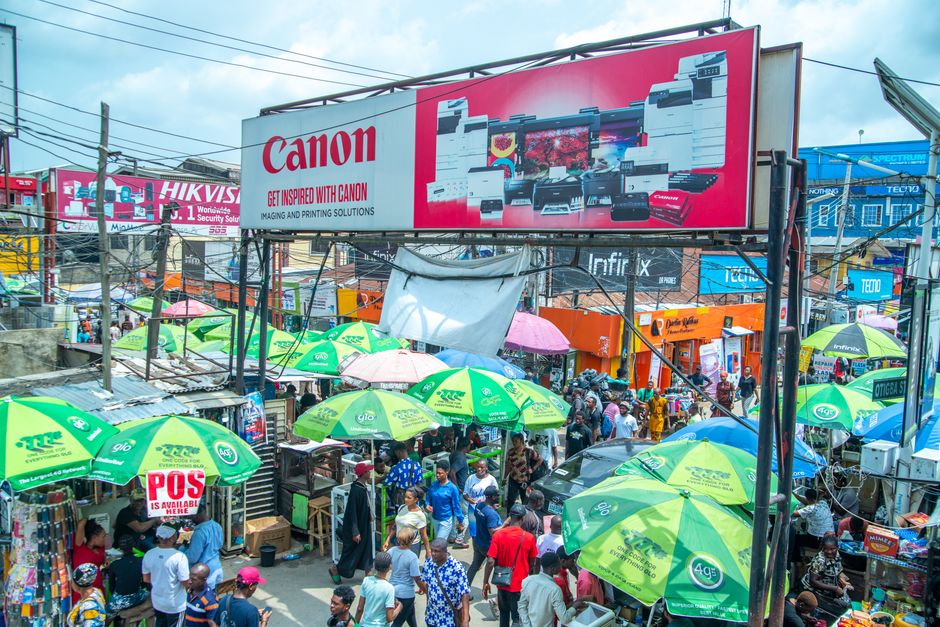
Nigeria’s commercial capital is feeling the squeeze of a fuel crisis that has reached far beyond its shores. In Lagos, where thousands of small and medium-sized businesses depend on diesel-powered generators to keep their doors open, the recent surge in fuel prices is testing the resilience of entrepreneurs already accustomed to tough operating conditions.
A Distant Conflict, a Local Cost
Though Lagos sits thousands of kilometres from the Strait of Hormuz, the geopolitical tensions reshaping energy markets around the Persian Gulf have spilled directly into the daily workings of Africa’s largest city. Fuel imports, long a critical artery for Nigeria’s private sector, have become more expensive as global supply concerns push up the cost of refined products. For business owners in Lagos, those international dynamics are translating into thinner margins and harder decisions.
Powering Through an Unreliable Grid
Even before the latest price increases, electricity supply in Lagos was a persistent challenge. Public power remains erratic, leaving most businesses to rely on private generators that consume substantial quantities of diesel or petrol every day. With fuel costs climbing, the monthly expense of simply keeping the lights on, refrigeration running, or machinery operational has become a significant burden, particularly for smaller enterprises operating on already narrow profit margins.
The Strain on Small Operators
From bustling markets on the mainland to workshops and service providers across the metropolis, many business owners report having to scale back operations, shorten working hours, or pass rising costs on to customers who themselves are facing economic pressure. Some have been forced to reduce staff, while others are weighing whether to remain open at all. The compounding effect of high input costs and subdued consumer spending is creating a difficult environment for commerce in a city that has long served as Nigeria’s economic engine.
Looking Ahead
With global energy markets showing little sign of immediate stabilization, Lagos business owners are bracing for further uncertainty. Industry observers note that without meaningful investment in the country’s power infrastructure or a stabilization of fuel supply chains, the pressures on private enterprise are likely to persist. For now, adaptation — rather than expansion — remains the prevailing strategy across much of the city’s commercial landscape.
Source: Africanews — read the original report.
More From Economy & Business

Mali’s Bogolan Tradition Finds New Life as Economic Engine for Women Artisans

Zimbabwe’s mineral processing drive raises questions for smaller producers