Sudan’s army secures key highway linking Khartoum and el-Obeid, tightening pressure on RSF
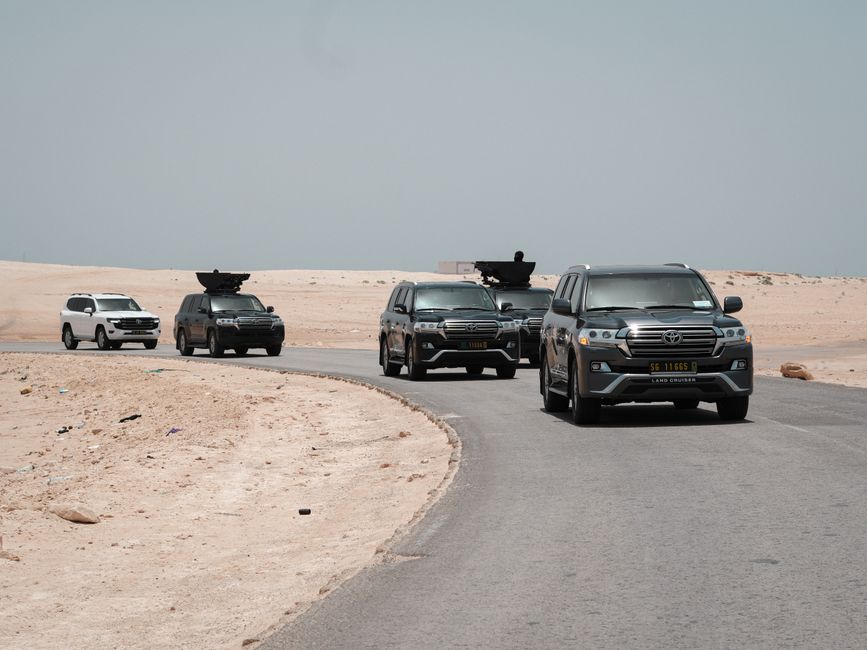
Sudan’s armed forces say they have taken control of a major highway connecting the capital Khartoum with the strategic city of el-Obeid in North Kordofan state, a development that could reshape the balance of power in the country’s protracted internal conflict. The army announced the capture of the Al Sadarat route, describing it as a significant step toward halting the advance of the paramilitary Rapid Support Forces (RSF) toward el-Obeid.
Strategic importance of the corridor
El-Obeid, the capital of North Kordofan, sits at a critical crossroads linking central Sudan with the western Darfur region and the southern states. Control of the city has long been viewed as essential for any faction seeking to project military authority across Sudan’s interior. The highway linking it to Khartoum serves as a primary supply and movement corridor, making its capture a key objective for both the army and the RSF since fighting erupted between the two forces.
By asserting control over the route, the Sudanese army aims to cut off logistical access to el-Obeid and prevent the RSF from completing what military analysts have described as a concerted push to seize the city. Securing the highway would also allow the army to reinforce its positions in Kordofan and limit the paramilitaries’ ability to consolidate territory gained in earlier offensives.
Broader context of the conflict
The war between the Sudanese Armed Forces, led by General Abdel Fattah al-Burhan, and the RSF, commanded by Mohamed Hamdan Dagalo, has produced one of the world’s worst humanitarian crises since it began in April 2023. Fighting has displaced millions of people, triggered widespread famine warnings, and drawn in regional actors with competing interests in Sudan’s political and economic future. North Kordofan has emerged as one of the most active frontlines, with both sides viewing the region as a gateway to either expand their territorial control or block the rival’s advance.
International mediators and humanitarian organizations have repeatedly called for a ceasefire and greater humanitarian access, but the conflict has continued with limited interruption. Control of major roadways such as the Khartoum–el-Obeid artery has become a recurring flashpoint, as both sides recognize that dominance over infrastructure often translates into leverage in any future negotiations.
Implications for the western front
Analysts say the reported seizure of the highway could complicate the RSF’s operational planning in the west and slow any attempt to link its strongholds in Darfur with positions further east. For the army, the move provides an opportunity to regroup and reinforce units deployed around el-Obeid, while signaling to domestic and international audiences that it remains capable of territorial gains despite the war’s protracted nature.
It remains unclear whether the RSF will attempt to counter the army’s advance along the corridor or shift its focus to alternative routes. The fluid nature of the frontlines in Kordofan means that gains on one axis can quickly be contested on another, and any consolidation of control is likely to be tested in the days ahead.
What to watch next
Attention is now focused on whether the army can hold the highway and translate its territorial claim into a durable defensive position around el-Obeid. The city’s fate is seen as pivotal not only for the military balance in central Sudan but also for the broader trajectory of the war, as both sides continue to view control of Kordofan as a prerequisite for any future political settlement.
Source: Al Jazeera — read the original report.