Ghana’s tallest man, Sulemana Abdul Samed, dies at 33
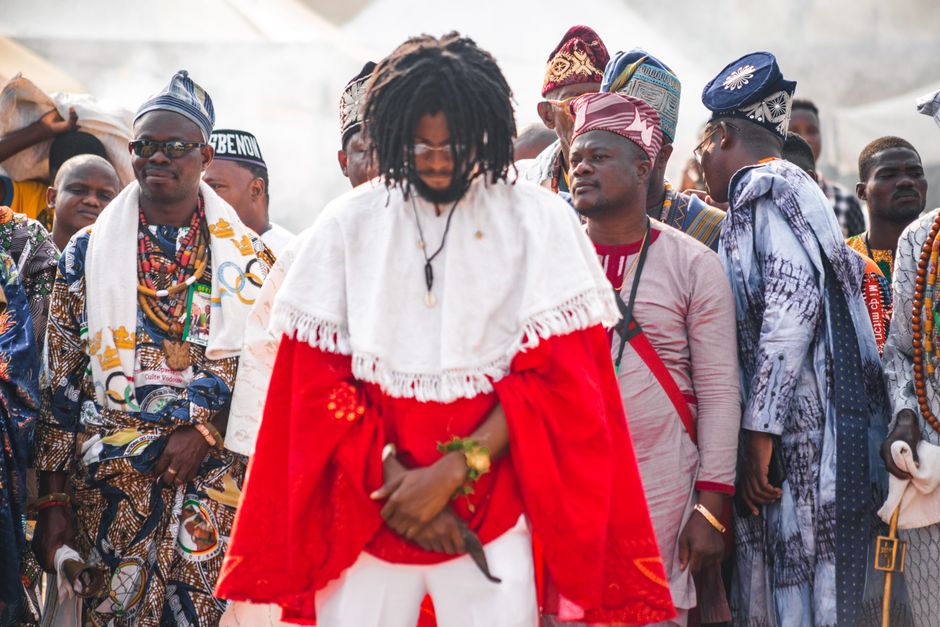
Sulemana Abdul Samed, widely recognised as Ghana’s tallest man, has died at the age of 33, prompting an outpouring of tributes across the country and beyond. He had been diagnosed several years ago with gigantism, a rare condition caused by excessive production of growth hormone, typically linked to a benign tumour on the pituitary gland.
A familiar and beloved figure
Abdul Samed had become something of a public personality in Ghana, where his extraordinary stature made him instantly recognisable in his communities. Friends and acquaintances have described him as warm, generous and widely liked — a man whose presence drew curiosity but whose character earned lasting affection.
News of his passing spread rapidly on social media, with many Ghanaians sharing memories of encounters with him and photographs that had circulated online over the years. Tributes highlighted both his physical uniqueness and the kindness that those who knew him say defined his everyday interactions.
Understanding gigantism
Gigantism is an extremely rare condition that usually appears in childhood, when the body’s growth plates are still active. It is most often caused by a pituitary adenoma, a non-cancerous tumour that leads the gland to release excessive growth hormone. Without early diagnosis and treatment, the condition can result in abnormally rapid growth, joint problems, cardiovascular complications and a reduced life expectancy.
Cases of individuals living with gigantism in West Africa have occasionally drawn public attention, both because of the striking physical characteristics involved and because access to specialised neurological and endocrine care remains limited in many parts of the region. Medical experts stress that early detection and surgical or pharmacological intervention can significantly alter the course of the condition.
A wider conversation
Beyond the personal grief expressed by those close to him, Abdul Samed’s death has renewed discussion in Ghana about awareness of rare medical conditions and the support available to those living with them. Advocacy groups note that people with visible physical differences often face both medical and social challenges, and that public figures — even reluctant ones — can play an important role in shifting attitudes.
As condolences continue to be shared, his family has asked for privacy during their period of mourning. For many Ghanaians, however, his memory endures as that of a man whose physical presence was matched only by his generosity of spirit.
Source: BBC News — read the original report.