South Africa’s Next HIV Challenge Shifts From Lab to Last Mile
For more than two decades, South Africa has carried one of the heaviest HIV burdens in the world, a public health crisis that has shaped its hospitals, its politics and the daily lives of millions. Now, the country is once again at the centre of a global turning point — but this time, the hardest work begins not in the laboratory, but in the logistics of getting a breakthrough to the people who need it most.
Researchers have reported what many in the field describe as the most significant advance in HIV prevention since the introduction of daily pre-exposure prophylaxis. The treatment in question is a long-acting injection, administered just twice a year, that has demonstrated near-complete protection against HIV infection in clinical trials. The drug’s long-acting formulation has been hailed as a potential game-changer, particularly in settings where daily pill-taking has proven difficult to sustain.
From Daily Pill to Twice-Yearly Shot
Oral PrEP, introduced widely across southern Africa over the past decade, has been credited with sharply reducing new infections among those who can access it consistently. Yet adherence has remained a stubborn obstacle. Stigma, supply chain gaps and the simple challenge of taking a pill every day have limited its reach, especially among adolescent girls and young women, who remain among the most vulnerable groups on the continent.
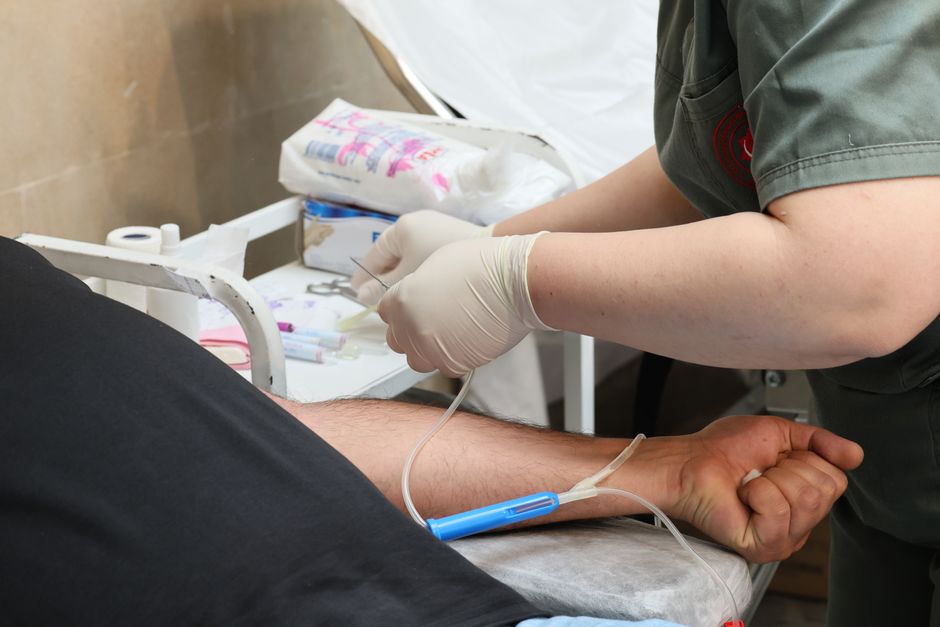
The twice-yearly injection removes many of those barriers. Because it is administered in a clinical setting, it does not depend on users remembering a daily dose, and it leaves no pill bottles that could disclose a person’s HIV status. Early trial data has suggested efficacy approaching full protection, a result that has drawn comparisons to the early days of antiretroviral therapy itself.
The Access Question
Yet enthusiasm in the scientific community has been tempered by a familiar concern: cost and availability. Long-acting injectables typically carry higher price tags than oral alternatives, and questions remain about how quickly generic versions can reach the market, how procurement systems will absorb the new product, and whether under-resourced clinics will be able to deliver injections on the required schedule.
South Africa’s experience will likely serve as a bellwether for the rest of the continent. The country has long combined the largest HIV treatment programme in the world with a domestic pharmaceutical industry capable of manufacturing complex drugs. Negotiations with global health funders, intellectual property arrangements and the speed of regulatory approval will all play a role in determining whether the injection becomes a public health milestone or a missed opportunity.
A Familiar Pattern, A New Opportunity
The history of HIV in South Africa is, in many ways, a history of access battles fought long after the science was settled. Antiretroviral therapy, once denied and delayed, eventually became one of the country’s medical success stories, reaching millions through a combination of political will, civil society pressure and international funding. The new injection now presents a similar test, advocates say, with the added complication of cold-chain storage requirements and the need for trained personnel to administer it.
Whether the twice-yearly shot reaches the communities most at risk will depend less on what researchers have discovered and more on how quickly governments, donors and health systems can translate that discovery into routine care. For South Africa, the next chapter of the HIV response may be written not in research journals, but in clinic waiting rooms.
Source: AllAfrica — read the original report.