Ghana Faces Nationwide Blackout as Power Plants Shut Down
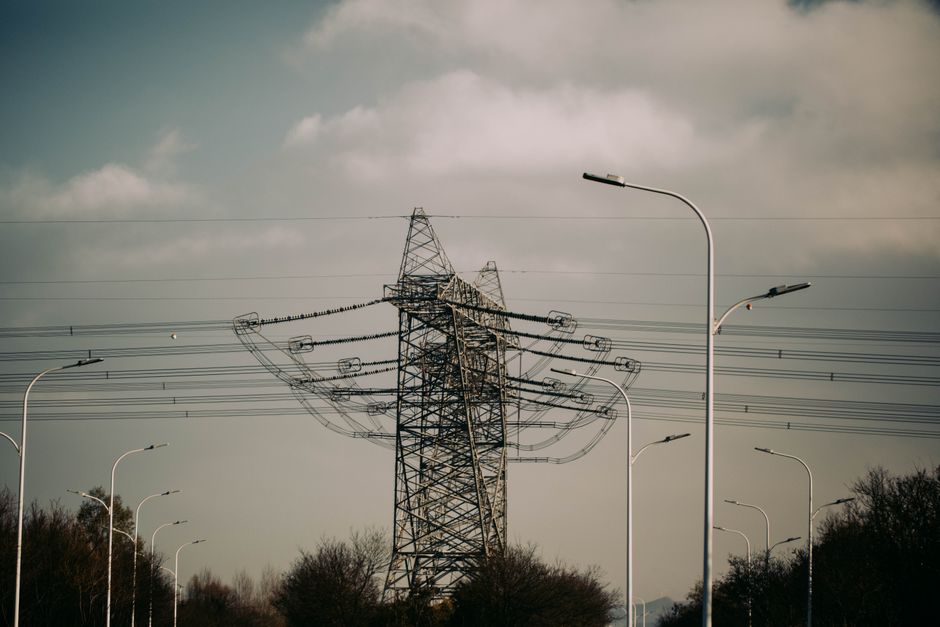
A widespread power outage has plunged Ghana into darkness, with homes, businesses, and essential services across the country reporting severe disruption. The blackout, triggered by simultaneous failures at several power generation facilities, is one of the most significant grid collapses the West African nation has experienced in recent years.
The country’s electricity supply has long been a point of concern for both residents and industry operators. Ghana has historically struggled with power reliability, having experienced a series of crippling load-shedding episodes in the mid-2010s that disrupted economic activity and prompted significant investment in generation capacity. The current outage has revived concerns about the resilience of the national grid and the country’s ability to meet rising electricity demand driven by industrial growth and urban expansion.
Impact on Daily Life and Essential Services
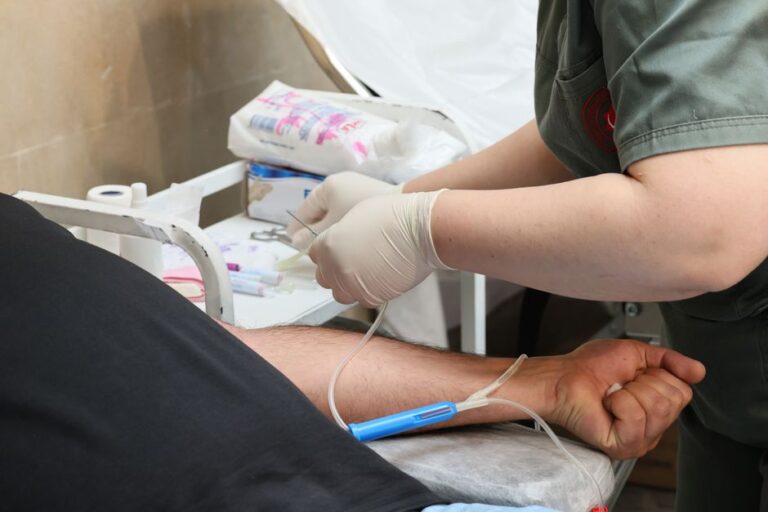
The blackout has affected nearly every sector of public life. Hospitals and health facilities have reported challenges in maintaining operations, while businesses — particularly small and medium-sized enterprises — have faced interruptions to commercial activity. Telecommunications networks have also been affected, leading to disruptions in mobile and internet services in several areas.
For ordinary households, the outage has meant disruptions to refrigeration, cooking, and access to information, underscoring the dependence of modern life on a stable electricity supply. In urban centres, traffic signals and street lighting have gone dark, raising road safety concerns, particularly during evening hours.
Calls for Grid Modernisation
The incident has intensified calls from industry stakeholders and civil society groups for long-term investment in grid infrastructure and diversified power generation. Energy analysts have pointed out that Ghana’s electricity mix, which includes hydroelectric, thermal, and solar sources, requires careful management to ensure consistent supply, particularly during periods of low water levels at hydroelectric dams or fuel supply disruptions at thermal plants.
Previous efforts to address power shortages have included the construction of new generation plants and the introduction of independent power producers. However, critics argue that distribution and transmission infrastructure has not kept pace with generation capacity, leaving the system vulnerable to cascading failures when multiple plants go offline simultaneously.
Government Response
Authorities are expected to provide updates on restoration efforts and the underlying causes of the outage. Restoring full power supply to affected areas typically requires a phased process, with critical infrastructure such as hospitals and water treatment facilities often prioritised.
The episode highlights the broader challenge facing many African nations as they seek to expand access to reliable electricity to support economic development and improve living standards. Reliable power supply remains a cornerstone of industrial competitiveness and public service delivery, making grid stability a key policy priority for governments across the continent.
As engineers work to bring generation capacity back online, the blackout serves as a reminder of the vulnerability of centralised power systems and the ongoing need for investment, diversification, and modernisation in Africa’s energy sector.
Source: BBC News — read the original report.