Food crisis deepens in Uganda as starvation deaths mount and millions face malnutrition risk
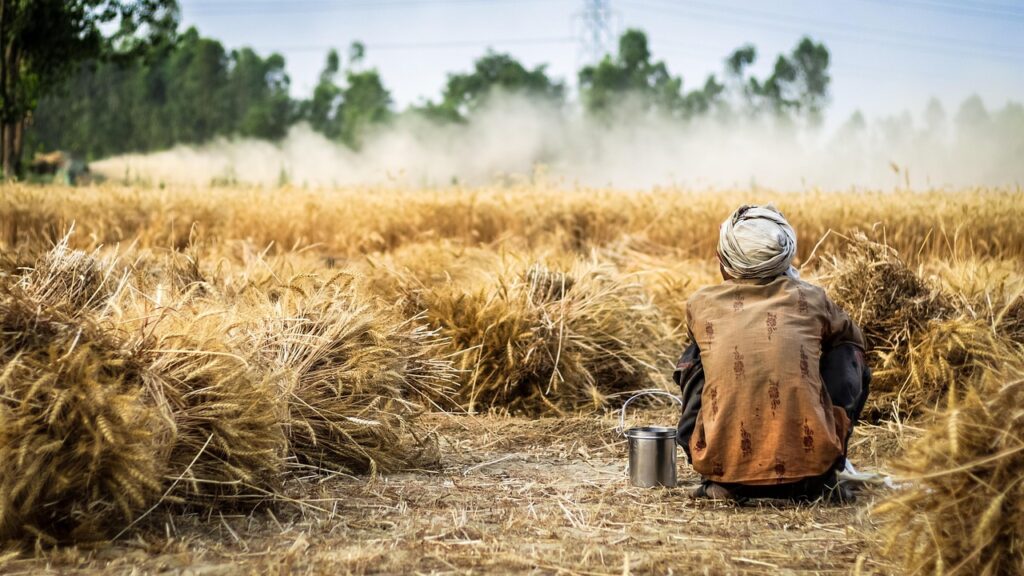
A worsening food crisis in Uganda has prompted alarm among humanitarian observers, with reports indicating that at least 19 people have died from starvation and an estimated 1.5 million people are at risk of malnutrition across the country.
A deepening humanitarian emergency
Uganda, widely regarded as one of East Africa’s most agriculturally productive countries, is confronting a food security emergency that has drawn warnings from experts and aid organizations monitoring the situation. The reported deaths from starvation have underscored the severity of conditions in affected communities, while the figure of 1.5 million people at risk of malnutrition highlights the potential scale of the crisis if urgent action is not taken.
Food insecurity remains a persistent challenge in parts of Uganda, despite the country’s relatively fertile land and significant agricultural output. Vulnerability to environmental and economic shocks has periodically pushed rural households into acute hunger, exposing deep inequalities in access to food and basic nutrition.
Factors compounding the crisis
Analysts point to a combination of pressures that have strained food availability and affordability for vulnerable populations. Disruptions linked to climate variability, including erratic rainfall in some regions, have affected crop yields, while rising prices for staple foods have made basic nutrition increasingly difficult to secure for low-income families. Competition for resources has been further intensified in areas hosting large numbers of refugees, where local food systems are under sustained strain.
Calls for coordinated response
Humanitarian actors have urged both the Ugandan government and international partners to scale up emergency food assistance, nutritional support for vulnerable groups, and longer-term measures aimed at strengthening agricultural resilience. Without coordinated intervention, experts warn, the number of people facing acute food insecurity could continue to grow in the coming months.
A wider regional pattern
The crisis in Uganda reflects a broader pattern of food insecurity affecting parts of East Africa, where successive seasons of climate stress and economic pressures have tested the capacity of governments and relief agencies to respond. As attention turns to Uganda, the situation underscores the fragility of food systems in the region and the urgent need for sustained investment in agricultural productivity and humanitarian support.
Source: Al Jazeera — read the original report.