European Parliament urges EU states to designate Sudan’s RSF as a terrorist organization
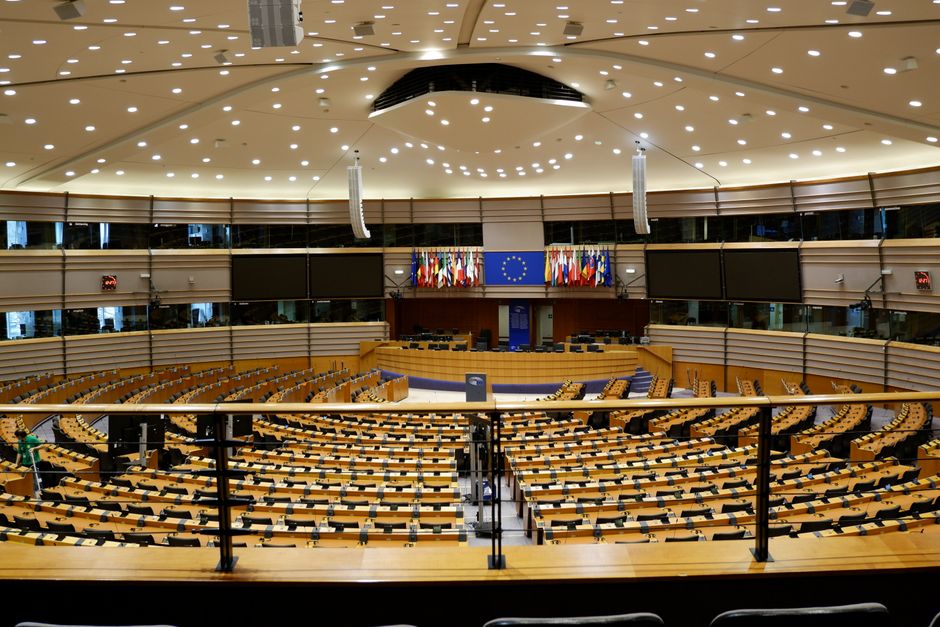
The European Parliament has adopted a resolution urging EU member states to formally designate Sudan’s paramilitary Rapid Support Forces (RSF) as a terrorist organization, in a significant escalation of European pressure over the spiraling conflict in Sudan. While the measure is non-binding, it carries considerable political weight and reflects a hardening stance among European lawmakers toward one of the parties accused of fueling the country’s brutal civil war.
A conflict with devastating consequences
Sudan has been engulfed in fighting since April 2023, when tensions between the Sudanese Armed Forces (SAF), commanded by General Abdel Fattah al-Burhan, and the RSF, led by Mohamed Hamdan Daglo, known widely as Hemedti, erupted into open warfare. The conflict has triggered one of the world’s worst humanitarian emergencies, with millions of people displaced both inside Sudan and across its borders into neighboring countries including Chad, South Sudan, and Egypt.
International observers and aid agencies have documented widespread atrocities since the war began, including reports of mass killings, sexual violence, and ethnically targeted attacks. These abuses have been particularly pronounced in the Darfur region, the historical heartland of the Janjaweed militias from which the RSF emerged.
What a terrorist listing would mean
Should EU member states act on the Parliament’s recommendation, a terrorist designation would impose wide-ranging restrictions, including asset freezes, travel bans, and criminal penalties for individuals or entities providing financial or material support to the group. Lawmakers argue that such measures would help cut off the RSF’s access to resources that enable its military operations and alleged abuses.
The resolution also reflects growing European frustration with the failure of repeated diplomatic efforts to secure a ceasefire. Previous mediation attempts, backed by regional bodies and international partners, have produced only fragile and short-lived truces.
Limits of the Parliament’s power
Counter-terrorism designations within the European Union ultimately fall under the competence of individual member states, meaning the Parliament’s call does not automatically translate into a binding EU-wide decision. Governments have sometimes been cautious about formal listings, particularly when humanitarian organizations require engagement with listed groups to deliver aid in conflict zones.
Nevertheless, the political signal from Strasbourg is clear: European lawmakers want member states to treat the RSF as a proscribed entity rather than merely a belligerent in an internal conflict.
A wider international reckoning
The European push adds to a growing body of Western action targeting the RSF. The United States has previously imposed sanctions on RSF-linked entities, and several other governments have taken similar measures against the group’s leadership and financial networks. At the regional level, mediation efforts led by the African Union and the Intergovernmental Authority on Development (IGAD) have so far struggled to produce a sustainable peace agreement, leaving civilians to bear the brunt of a war that aid agencies warn is pushing parts of Sudan toward famine.
As pressure mounts from multiple directions, the European Parliament’s resolution is likely to intensify debate within EU capitals over how best to hold the RSF accountable while preserving channels for humanitarian relief in one of the world’s most dire crises.
Source: FRANCE 24 — read the original report.