Second Tanker Hijacked off Yemen in Three Months as Somali Piracy Resurges
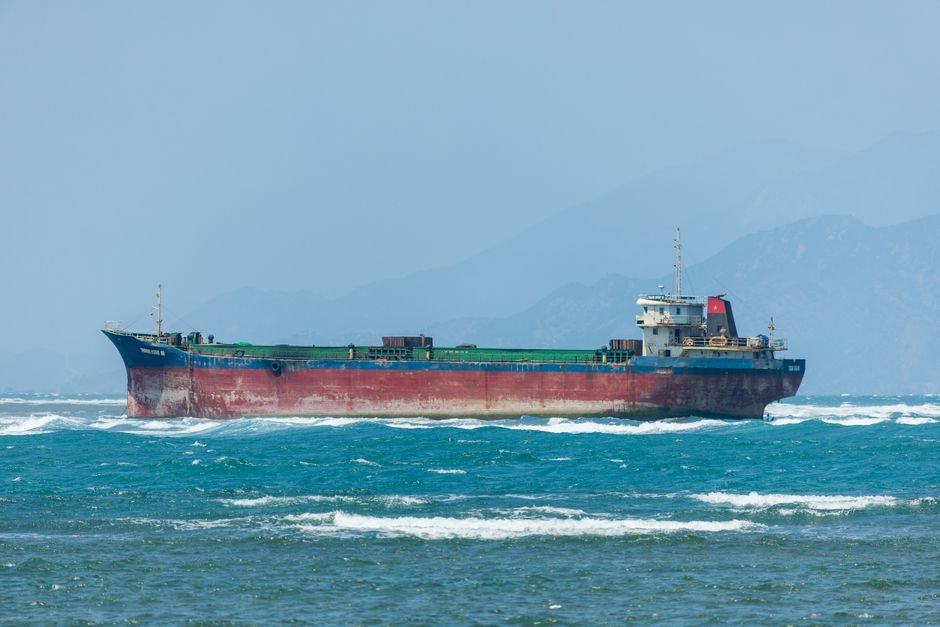
A commercial tanker has been hijacked off the coast of Yemen by suspected Somali pirates, marking the second such incident in roughly three months and reinforcing concerns that piracy is once again gaining a foothold in one of the world’s most strategically sensitive waterways.
A Pattern of Attacks
The vessel was seized in waters where shipping traffic has long been vulnerable to armed attack. According to monitoring groups, the latest hijacking follows a similar incident earlier this year involving another tanker in the same general area, suggesting a level of coordination or at least repetition among the groups operating in the region. Several other attempts in recent weeks are reported to have failed, either because crews managed to evade their pursuers or because naval forces intervened.
Why Piracy Appears to Be Returning
Analysts have pointed to a combination of factors behind the renewed activity, including weakened maritime patrols, the broader instability linked to the conflict in Yemen, and the economic pressures facing coastal communities in Somalia. The Gulf of Aden and the southern Red Sea remain vital corridors for global oil shipments and container traffic, making any disruption a matter of international concern. Shipping companies have in recent years relaxed some of the hardened security measures — such as armed guards and reinforced citadels — that were standard during the piracy peak of the early 2010s, a shift that some industry observers now view as premature.
Implications for Regional Trade
A sustained resurgence in hijackings could push insurance premiums higher for vessels transiting the region and force commercial operators to reroute or re-arm their ships, adding costs to an already strained global shipping industry. International naval coalitions that once maintained a robust presence in the area have scaled back operations in recent years, leaving a gap that armed groups appear increasingly willing to exploit.
What Happens Next
Maritime authorities are continuing to monitor the situation, and negotiations for the safe release of the vessel and its crew are likely underway. The incident is expected to prompt renewed discussions among international shipping bodies, regional governments, and naval forces about the level of cooperation required to keep one of the world’s busiest sea lanes secure.
Source: BBC News — read the original report.
More From Conflict & Security

Wazalendo Militia Threaten Journalists in Eastern DR Congo Over War Coverage, CPJ Reports

Inside Project ‘Afrika’: How Russia Has Been Targeting French-Speaking African Media