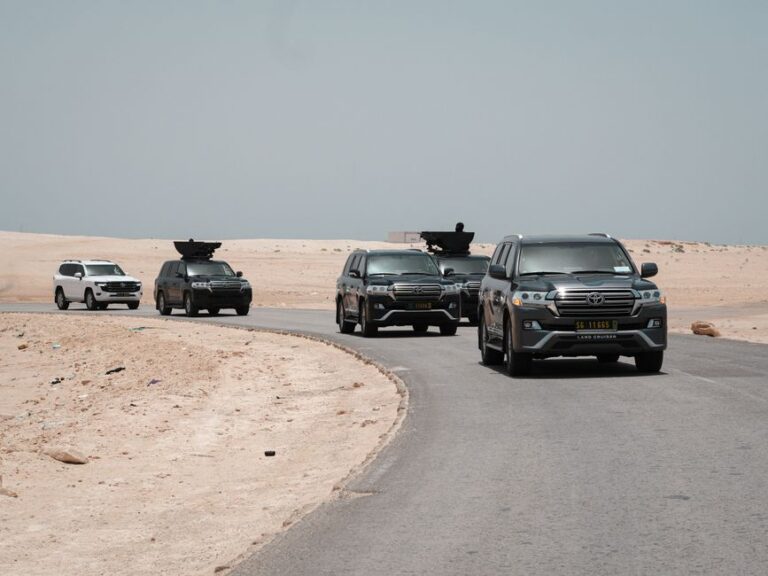
Escalating Insurgent Attacks in Northern Mali Deal Heavy Blow to Military Government
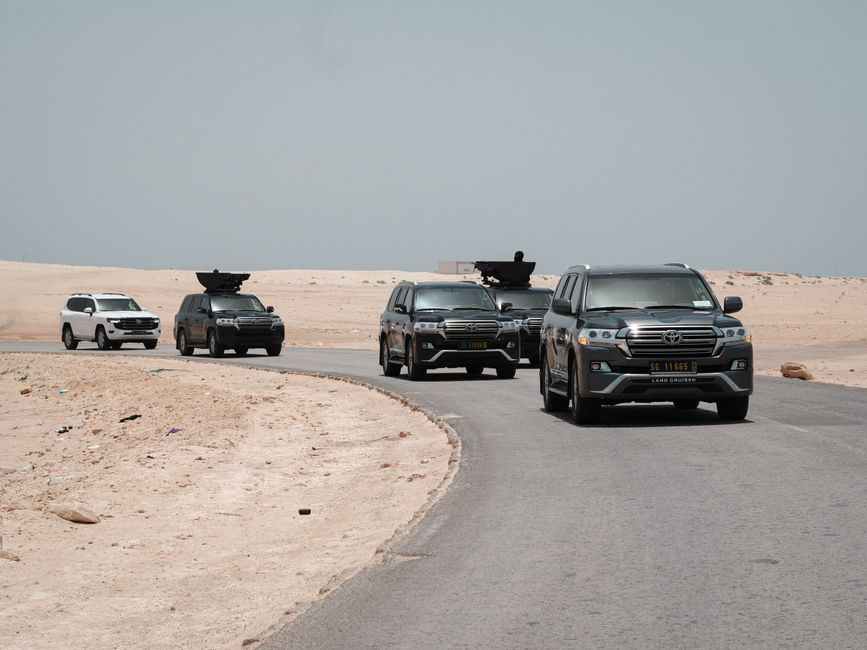
Mali’s ruling military government is confronting one of its most serious security challenges in years after insurgents killed at least 50 soldiers in an ambush near the northern town of Anefis. The assault, claimed by both Tuareg separatists and Al-Qaeda-linked jihadist groups, has laid bare the mounting pressure faced by the junta more than three years after it seized power in Bamako.
A coordinated assault in the north
The attack near Anefis ranks among the deadliest single incidents suffered by the Malian armed forces in recent memory. According to regional security trackers, fighters affiliated with separatist movements and jihadist organizations operating under the broader al-Qaeda banner jointly targeted a military position, inflicting heavy casualties before withdrawing from the area. The incident adds to a growing list of operations in which insurgents have demonstrated growing tactical coordination against Malian troops and their foreign partners.
Wider campaign against the army and Russian allies
The Anefis ambush is part of a broader pattern of violence sweeping Mali’s northern and central regions. In recent weeks, armed groups have repeatedly targeted Malian soldiers alongside members of the Russia-linked Africa Corps, the successor formation to the Wagner Group, which has been operating in the country since the military takeover. Militants have also claimed responsibility for downing a military helicopter and, in separate operations, briefly seizing control of territory before being pushed back by government forces. The attacks underscore how insurgent networks — splintered across ideological lines but increasingly pragmatic in their alliances — continue to hold significant ground in vast stretches of the Malian hinterland.
Pressure on the junta’s security strategy
The mounting losses raise questions about the effectiveness of the military government’s counter-insurgency approach, which since 2021 has relied heavily on partnerships with Russian private military operatives and a withdrawal from some international counter-terrorism frameworks. Analysts monitoring the region note that violence in the Sahel has continued to intensify despite these shifts. Hénio Nsaibia, West Africa Senior Analyst at ACLED, a conflict data organization, has pointed to deteriorating security dynamics across the central Sahel, where Mali, Burkina Faso and Niger — all now ruled by military governments — face overlapping insurgencies.
Regional implications
The deteriorating security picture also has consequences beyond Mali’s borders. The junta in Bamako has drawn closer to Moscow while distancing itself from former colonial power France and regional bodies such as ECOWAS, leaving it with fewer external partners capable of bolstering its counter-insurgency efforts. Neighboring Niger and Burkina Faso, governed by juntas with similar orientations, are likewise battling insurgencies, raising the prospect of further cross-border destabilization in the wider Sahel.
With no clear end in sight to the violence and the military government under increasing strain, analysts say Mali’s authorities face a critical test of their ability to project authority in the country’s vast northern territories — and to reassure both their population and foreign partners that they can contain the spreading insurgency.
Source: FRANCE 24 — read the original report.
More From Conflict & Security
South Africa probes death of Nigerian man who collapsed during arrest
Arrest of Nigerian soldier over alleged links to criminals deepens scrutiny of military conduct