Mali’s Bogolan Tradition Finds New Life as Economic Engine for Women Artisans
Mali’s centuries-old bogolan textile, long celebrated as a symbol of cultural identity and craftsmanship, is increasingly being recognized as a foundation for new economic opportunities, particularly for women in the West African nation’s creative industries. What was once a craft passed down through generations is now drawing attention from entrepreneurs, designers, and policymakers seeking to link heritage with livelihood.
A Tradition Rooted in the Sahel
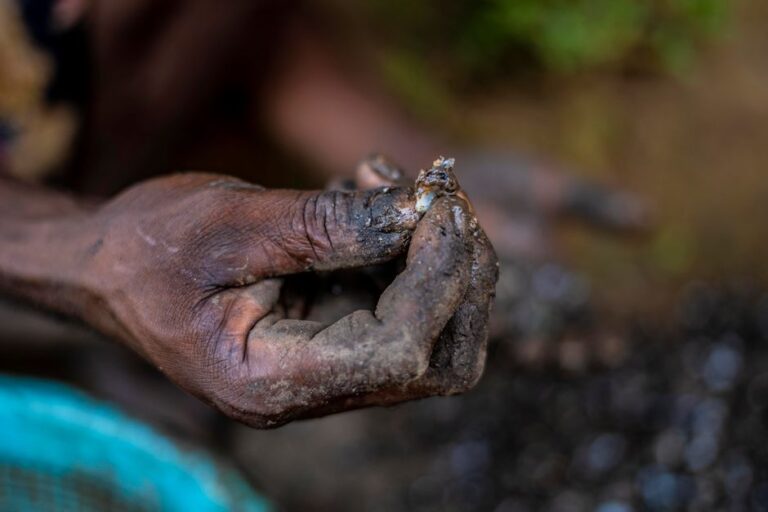
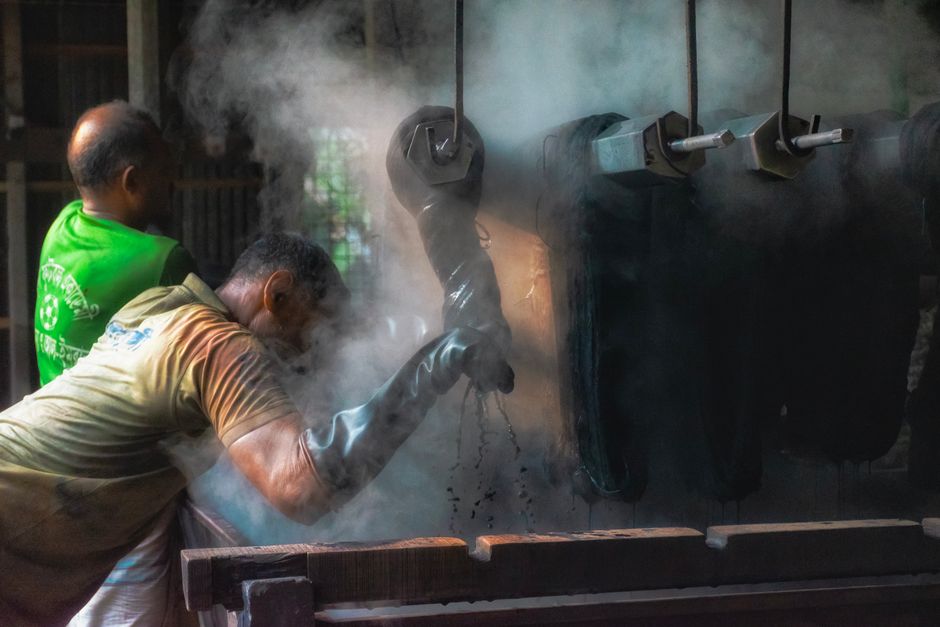
Bogolan, often translated as “mud cloth,” is a distinctive handwoven textile traditionally dyed using fermented clay and natural plant materials. The process, which can take several weeks to complete, involves applying designs with the iron-rich mud onto cotton fabric that has been treated with a yellow-leaf solution. Each pattern carries specific meanings tied to community history, social status, or spiritual beliefs, and the technique has historically been practiced in regions of central and southern Mali.
Protected Status Strengthens Market Position
The craft has gained recognition through efforts to secure protected geographical indication status, a designation intended to safeguard the authenticity and origin of regionally produced goods. Supporters of such measures argue that formal protection helps distinguish genuine bogolan from imitations, supports fair pricing for artisans, and preserves the indigenous knowledge embedded in the production process. The move reflects a broader trend across Africa, where traditional products are being shielded from cultural appropriation while being positioned in global markets.
Women at the Forefront of a Growing Industry
Women have long played a central role in bogolan production, handling much of the dyeing and finishing work. Today, a new generation of female entrepreneurs is building on that foundation, moving beyond small-scale local sales to supply fashion designers, interior decorators, and international buyers. Cooperatives and small workshops are forming around the craft, offering women stable income, skills training, and a platform to participate more broadly in Mali’s informal economy.
Balancing Preservation and Innovation
Industry observers note that the commercial growth of bogolan presents both promise and challenge. Rising demand has encouraged experimentation with new applications, including contemporary fashion collections and home décor, while also raising concerns about whether mass production could erode the artisanal character of the textile. Advocates for the craft emphasize that maintaining quality standards and respecting traditional techniques remain essential to ensuring that economic gains translate into lasting cultural preservation rather than short-term exploitation.
A Wider Continental Conversation
Mali’s experience with bogolan mirrors developments across the continent, where nations are increasingly seeking to monetize heritage through intellectual property protections, cooperative structures, and export-oriented branding. For Mali, the textile represents an opportunity to demonstrate that indigenous knowledge systems can coexist with modern commerce, offering a pathway for rural communities, and women in particular, to participate in national economic growth without losing the cultural roots that define their work.
Source: Bird Story Agency via AllAfrica — read the original report.