Mozambique Edges Toward Dialogue in Cabo Delgado Conflict
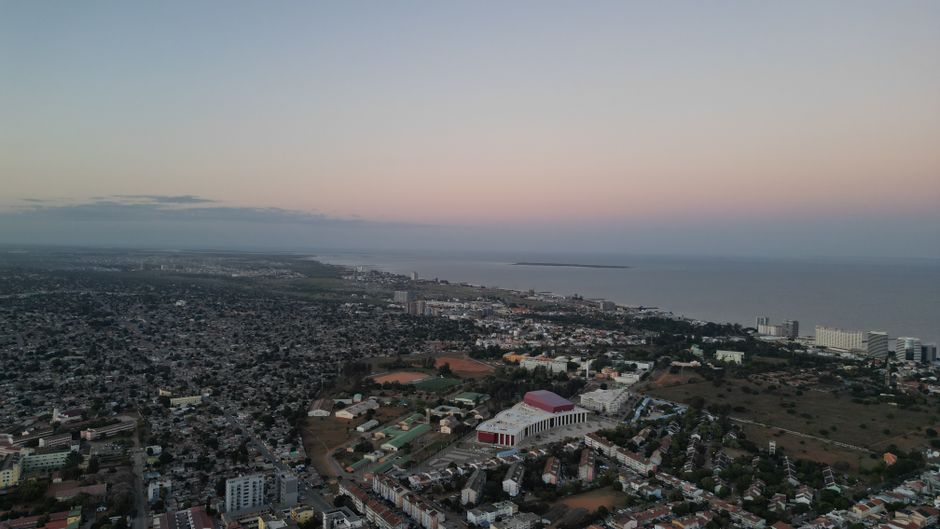
Two recent public calls for negotiations, combined with internal shifts within Mozambique’s ruling party and the insurgent movement in Cabo Delgado, are quietly reshaping the political mood in Maputo. After years of an unrelenting armed conflict in the gas-rich northern province, there are growing indications that the government may be warming to the idea of opening a channel of dialogue with the fighters behind the violence.
A Conflict Without an End in Sight
The insurgency in Cabo Delgado, which has roiled the northern reaches of Mozambique since 2017, has defied successive military operations and regional interventions. Violence continues to displace civilians, disrupt major LNG developments, and draw in troops from neighboring countries and the Southern African Development Community. In recent commentary within Mozambican media and policy circles, there has been a more candid acknowledgment that a purely military solution is unlikely to bring the conflict to a close. That recognition, analysts suggest, is gradually altering the calculus of decision-makers in the capital.
Public Pressure for Talks
Over the past month, two separate public appeals have urged the government to consider engaging in negotiations rather than relying solely on armed force. Civil society voices, religious leaders, and commentators have framed talks not as a concession to the insurgents, but as a pragmatic step toward protecting civilians and stabilizing an economy that has absorbed heavy losses. The shifting rhetoric marks a departure from earlier official positions that ruled out any form of engagement with the armed groups.
Internal Movements on Both Sides
Behind the public discourse, there have reportedly been changes within both Frelimo and the insurgent movement that could make negotiations more plausible than before. New figures within the ruling party are said to be more open to flexible approaches, while some observers point to evolving dynamics among the splintered armed factions operating across the province. None of these movements guarantee that talks will materialize soon, but they suggest that the preconditions for dialogue may be slowly taking shape.
A Cautious Path Forward
Diplomatic observers caution that any move toward negotiations would be slow, fragile, and likely contested by hardliners on both sides. Past attempts to mediate the conflict, including efforts by religious groups and regional actors, have produced few tangible results. Still, the gradual softening of public language, combined with the visible fatigue of a prolonged military campaign, may be enough to push the conversation further. For the hundreds of thousands of Mozambicans whose lives have been upended by the insurgency, even a tentative shift toward dialogue represents a noteworthy development.
Source: AllAfrica — read the original report.