Sudanese refugees in Chad face growing water crisis in overcrowded camps
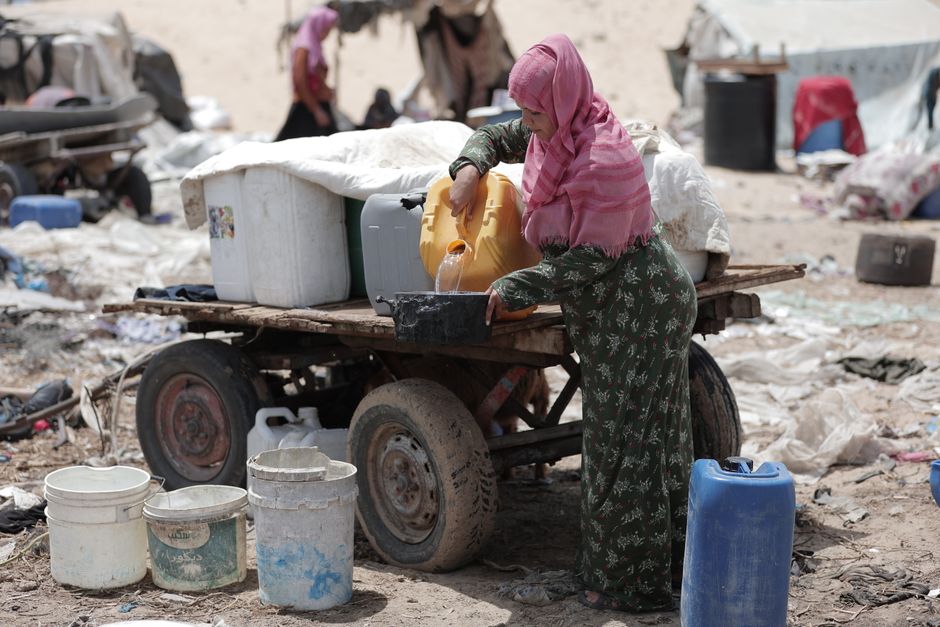
Thousands of Sudanese families who fled their homeland to escape war and brutal violence are now confronting a new and punishing struggle in the refugee camps of eastern Chad: a chronic shortage of clean drinking water. With each passing week, the daily search for water is becoming longer, harder, and more desperate, eroding what remains of hope for a swift return.
A fragile refuge pushed to its limits
Chad has been one of the principal hosts for people fleeing the conflict that has torn Sudan apart since fighting erupted between rival military factions. The eastern provinces, in particular, have absorbed waves of arrivals, often in remote and arid zones where infrastructure is limited and the climate is unforgiving. For many refugees, the journey across the border brings only a fragile sense of safety, as camps swell beyond their intended capacity and basic services come under severe strain.
Humanitarian organisations operating in the region have repeatedly warned that the camps were not designed to sustain such large populations for the prolonged period that the conflict now demands. Tensions over resources, including water, pasture, and food, have begun to simmer between displaced communities and their Chadian hosts, many of whom themselves live in conditions of poverty and scarcity.
Water as the new frontline
In the blistering heat of the Sahel, the absence of reliable water supplies transforms ordinary survival into an exhausting ordeal. Women and children are often the ones tasked with walking for hours to reach the nearest functioning water point, carrying what they can back to their families. When taps run dry or queues stretch into the night, the consequences ripple through the community: hygiene deteriorates, the risk of disease climbs, and the resilience of already traumatised families is further tested.
Reports from the camps describe a growing sense of despondency among refugees who once believed their displacement would be temporary. With each month that the war in Sudan continues, the prospect of returning home fades further, and the daily grind of securing water and food replaces the uncertainty of conflict with the slower, quieter crisis of prolonged exile.
A widening humanitarian emergency
International aid agencies have called for sustained funding and expanded water infrastructure to meet the scale of the crisis. Boreholes, water treatment facilities, and trucking operations are among the most urgent needs, alongside broader investment in healthcare, sanitation, and shelter. Without a significant increase in support, observers warn, the humanitarian situation in eastern Chad risks deepening into a wider catastrophe that could destabilise the entire border region.
For the refugees themselves, the priorities remain painfully simple: enough water to drink, enough food to eat, and enough safety to imagine a future. Whether the international community can respond quickly enough to meet those basic needs is likely to shape the fate of tens of thousands of families in the months ahead.
Source: Al Jazeera — read the original report.