Ugandan army chief orders shutdown of country’s leading media outlets
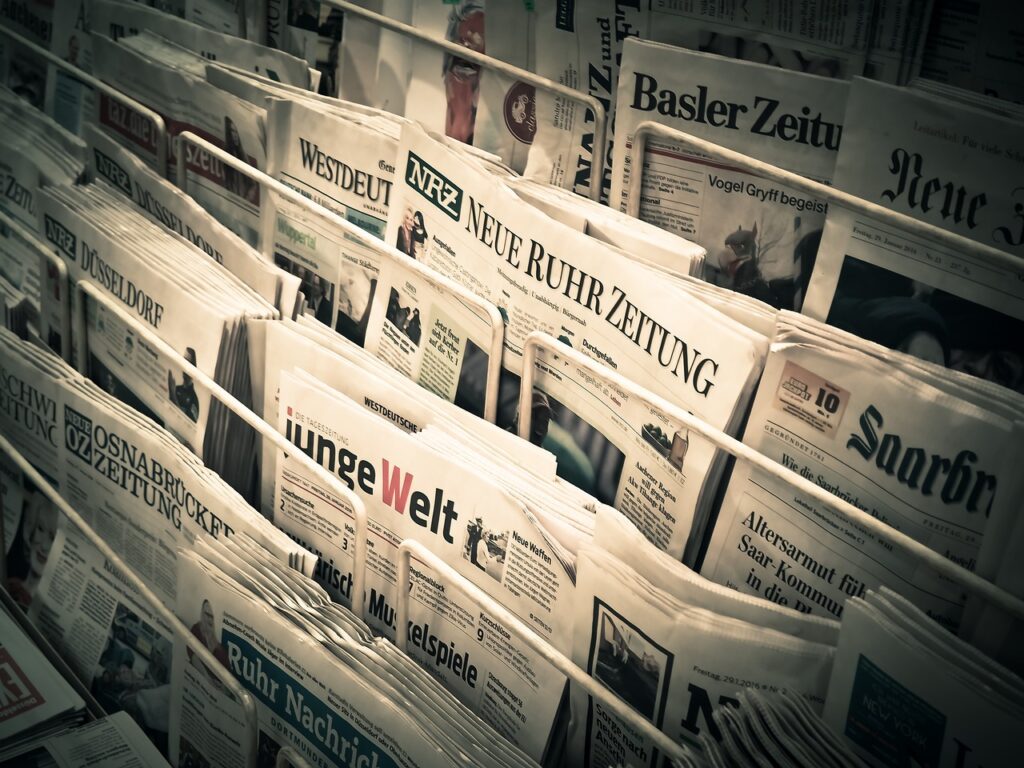
Two of Uganda’s most prominent media organisations, NTV and the Daily Monitor, have been forced off the air and out of print after the country’s military chief ordered their shutdown, raising fresh concerns over press freedom in the East African nation.
Staff at both outlets reported that their offices in the capital, Kampala, were surrounded by armed soldiers, describing the situation as a military siege. Journalists were unable to enter or leave the buildings, and broadcasts and printing operations were halted. The actions follow a directive from the head of Uganda’s armed forces, who has in recent years emerged as one of the country’s most powerful political figures.
Reactions from newsrooms
Employees at NTV and the Daily Monitor said they received orders directly from military authorities to cease operations, with no formal court order or regulatory explanation provided. The developments drew condemnation from journalists and media advocacy groups, who warned that the closures set a dangerous precedent for independent reporting in Uganda, a country where the media has long operated under significant government pressure.
Press freedom under scrutiny
Uganda has historically ranked poorly on global press freedom indices, with journalists frequently facing harassment, arrests, and restrictions on coverage of security matters and political opposition. The targeting of two of the country’s largest and most widely read news organisations represents an escalation that media watchdogs have described as unprecedented in recent memory.
Civil society organisations and opposition figures called for the immediate lifting of the siege, urging the government to respect constitutional guarantees of free expression. International press freedom bodies also expressed alarm, urging Ugandan authorities to allow the outlets to resume operations and to engage with any grievances through lawful channels rather than military action.
Broader political context
The shutdown comes at a politically sensitive moment in Uganda, where the role of the military in civilian affairs has come under increasing scrutiny. The army chief in question holds considerable influence within the ruling establishment, and his involvement in ordering media closures has intensified debate over the boundaries between military authority and civilian governance.
As of the latest reports, armed personnel remained deployed around the premises of both outlets, and there was no immediate indication from authorities about when normal operations might resume.
Source: BBC News — read the original report.