A 4.5 Magnitude Earthquake Strikes Uganda, Sending Shockwaves Through the Rwenzori Region
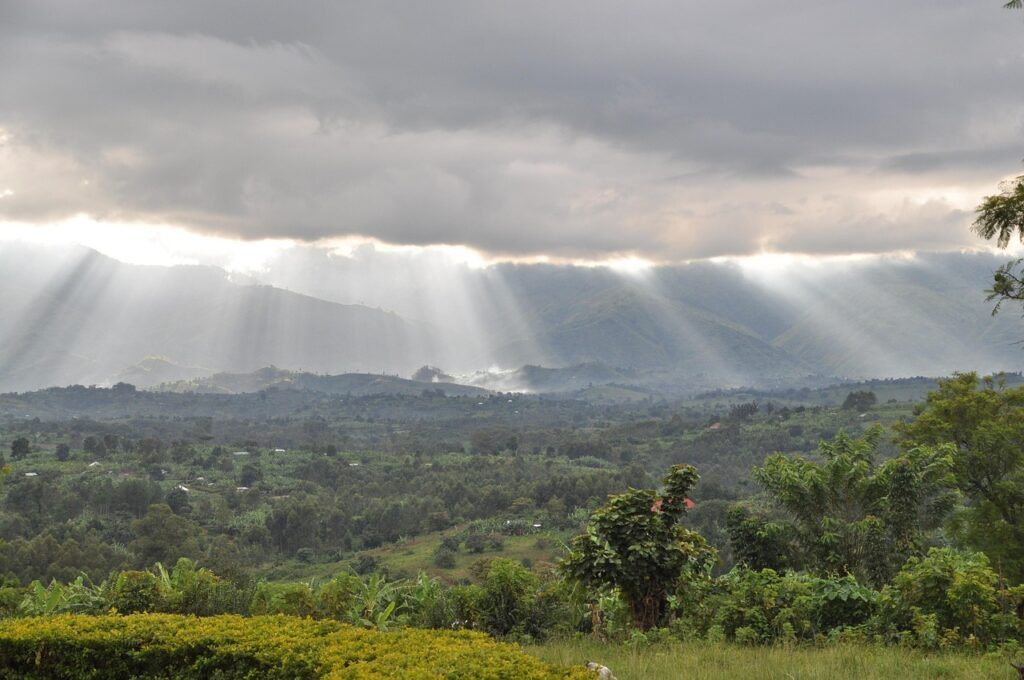
A moderate earthquake measuring 4.5 on the Richter scale struck southwestern Uganda early this week, rattling communities in and around the Rwenzori Mountains and prompting authorities to assess potential damage to infrastructure and settlements. The quake, which struck at a shallow depth, was felt across several districts in the Albertine region, an area not typically associated with high seismic activity but sitting near the Albertine Rift, a branch of the East African Rift System known for occasional tectonic movements.
There were no immediate reports of casualties, but local officials in Kasese, Bunyangabu, and surrounding sub-counties reported feeling strong shaking that lasted several seconds. Community leaders described the tremor as unusual, with some residents rushing out of homes in fear as windows rattled and furniture shifted. Schools and health centres in the affected area were momentarily evacuated as a precautionary measure.
Uganda lies within the Albertine Rift, a seismically active region where the African tectonic plate is gradually pulling apart. While major earthquakes are relatively rare in the country compared to neighbouring Kenya and Tanzania, moderate events do occur and can cause significant alarm among populations unaccustomed to such phenomena. The Rwenzori area, with its steep terrain and densely populated foothills, is particularly vulnerable to secondary risks including landslides triggered by ground shaking.
Assessing the Risk: Uganda Seismic Vulnerability
Seismologists tracking the event noted that the epicentre was located near the foothills of the Rwenzori Mountains, an area where fault lines associated with the rift system run through communities that have limited awareness of earthquake safety protocols. Uganda building construction standards outside major urban centres often do not account for seismic resilience, raising concerns about potential structural damage even from moderate events.
Local government officials have indicated that assessment teams will be deployed to verify the condition of public buildings, including schools and health facilities, in the hours following the quake. Community members have been urged to report any signs of structural cracks or damage to local authorities. The country meteorology and seismology department is expected to release a detailed seismic bulletin in the coming days.
A Reminder of Africa Geological Reality
The Uganda event serves as a reminder that seismic risk is not confined to well-known volcanic zones of East Africa. The Albertine Rift, stretching from Uganda through the Democratic Republic of Congo to Rwanda and Burundi, produces regular low-level seismic activity and occasionally moderate earthquakes that can affect large populations. Across the continent, millions live in areas with underlying geological risk that rarely receive adequate attention or preparedness investment.
For Uganda southwestern communities, the immediate priority is a thorough damage assessment and ensuring that any affected households receive the support they need. The fact that the earthquake struck without loss of life is a fortunate outcome — but one that experts say should not encourage complacency about the next event.
Looking Ahead: Building Resilience in Seismically Active Zones
As Uganda processes this event, the conversation around disaster preparedness in the country Albertine region will inevitably gain urgency. Investment in early warning systems, public education campaigns on earthquake safety, and enforcement of building codes in high-risk zones are steps that experts have long argued for. While Tuesday quake was moderate, it has put Uganda seismic vulnerability firmly in focus — and raised questions about how prepared the nation truly is for a larger event.