Guinea Goes to the Polls in Landmark Legislative and Municipal Vote as Transition Reaches Crossroads
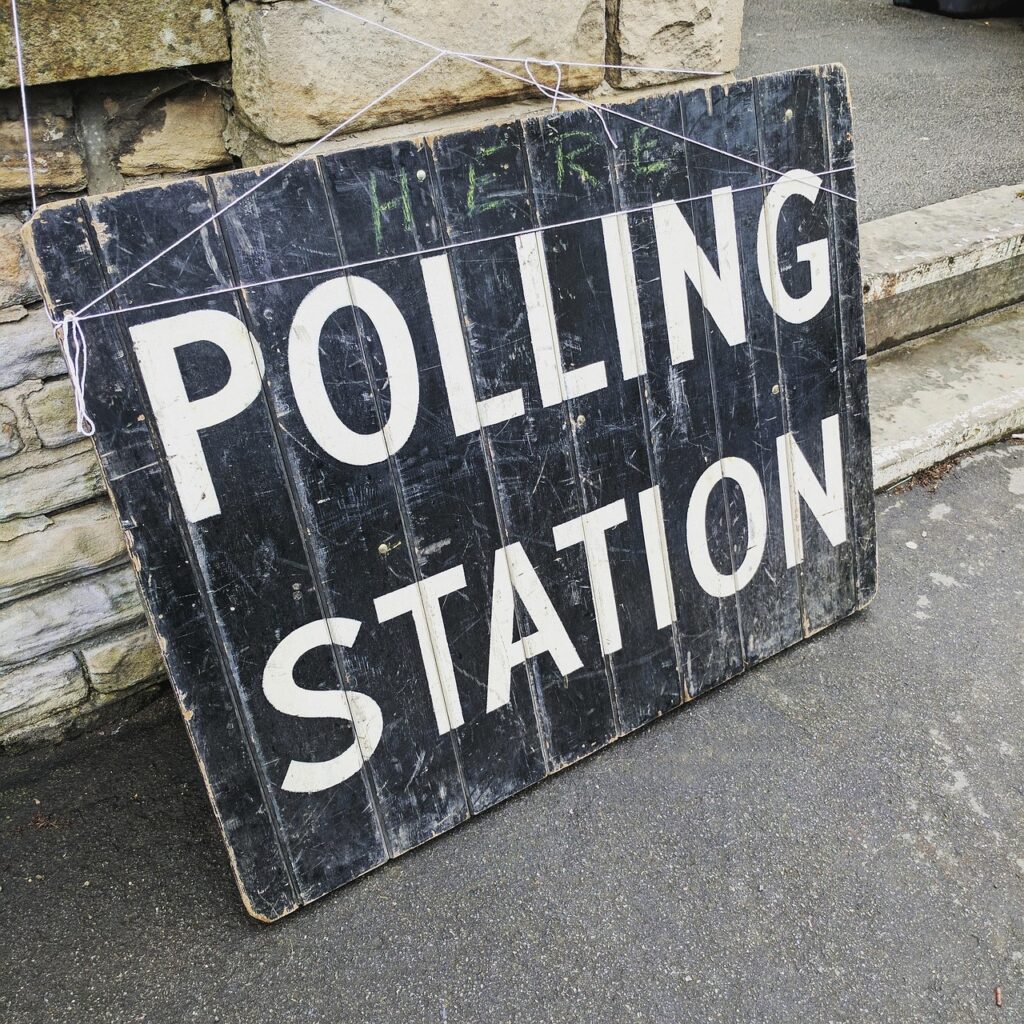
Guinea stood at a political inflection point this week as voters cast ballots in legislative and municipal elections — a poll critics called a crucial test of the country post-coup transition roadmap. The elections, held on June 1, 2026, came after years of military rule following the 2021 coup that toppled President Alpha Condé.
Counting was underway as polls closed in what observers described as a crucial test of whether Guinea can move from military rule to constitutional order.
A Transition Under Pressure
Since the September 2021 military takeover led by Colonel Mamadi Doumbouya, Guinea has been under transitional governance tasked with steering the country toward democratic elections. The transition has faced repeated delays, drawing criticism from ECOWAS and domestic civil society groups who say the military leadership is in no hurry to relinquish power.
What the Results Could Mean
A strong showing by opposition parties would signal that Guineans are demanding civilian accountability. A dominant win for transitional-aligned parties would deepen concerns that the military is not genuine about returning to constitutional order.
The Mining Stakes
Guinea mining sector — its economy dominant engine accounting for the vast majority of export earnings — adds international stakes. Investors in iron ore, bauxite, and gold have been watching the transition timeline closely as global demand for Guinean minerals rises sharply.
Regional Implications
Guinea neighbours are watching with keen interest. Burkina Faso, Mali, and Niger have all experienced coups recently and pivoted toward the Russia-leaning Alliance of Sahel States. Whether Guinea follows that trajectory will depend on what domestic political legitimacy these elections generate.
Municipal Elections
Municipal elections, held simultaneously, were equally significant for the nation decentralisation prospects. Guinea has historically concentrated authority in the central government, leaving local administrations weak.
International Monitoring
African Union and ECOWAS observers were present at hundreds of voting centres, though their numbers were described as inadequate. Domestic observer groups reported irregularities including missing voter rolls and security personnel inside polling stations.