U.S. Defends New HIV Funding Model as Activists Challenge PEPFAR Reforms at AIDS 2026
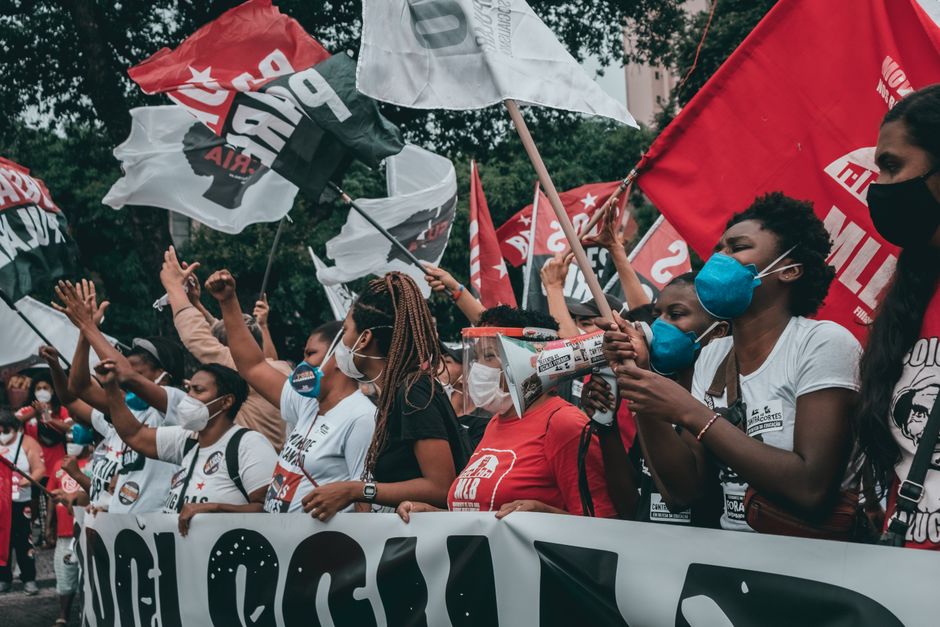
HIV activists confronted senior U.S. officials on the eve of the AIDS 2026 international conference in Rio de Janeiro, voicing alarm over sweeping reforms to Washington’s flagship global AIDS programme and accusing the Trump administration of triggering a public health emergency through funding cuts. The exchanges, which took place ahead of the formal opening of the conference, underscored growing tensions between the United States and the global HIV community over the future of the world’s largest bilateral HIV initiative.
Activists Warn of Setbacks
Campaigners gathered in the Brazilian host city to press U.S. representatives on changes to the President’s Emergency Plan for AIDS Relief, known as PEPFAR, a programme credited with helping to place millions of people living with HIV in low- and middle-income countries on life-saving antiretroviral treatment since its launch in the early 2000s. Activists argued that reductions in U.S. contributions, combined with a shift in how funds are disbursed, risk disrupting treatment continuity and reversing hard-won gains in the global response to HIV.
Protesters described the funding environment as a crisis, warning that clinics supported by PEPFAR across sub-Saharan Africa and other heavily affected regions could face shortages of essential medicines if financial support is curtailed or restructured too abruptly. Several advocacy groups called on Washington to honour existing commitments while any new model is phased in.
Washington’s New Financing Approach
U.S. officials, for their part, defended the revised framework as a necessary evolution of the global HIV response. According to the delegation, the new model is designed to transfer greater responsibility to national governments, encouraging countries to assume ownership of their HIV programmes and to integrate them into broader health systems. Officials described the approach as a path toward more sustainable financing, reducing long-term dependence on a single donor.
The U.S. representatives argued that PEPFAR’s original emergency footing was appropriate when the programme was created, but that the global landscape has changed. They pointed to the wider availability of generic antiretrovirals, falling treatment costs, and the growing capacity of partner governments as evidence that a more country-led approach is both feasible and overdue.
A Stakes-of-the-Conference Moment
The confrontations set the tone for what is expected to be one of the more politically charged AIDS conferences in recent memory. Researchers, clinicians, and policymakers attending AIDS 2026 will be weighing the implications of the U.S. funding shift against the backdrop of persistent transmission in many regions, particularly in eastern and southern Africa, where the bulk of PEPFAR-supported programmes operate.
Delegates are expected to examine how the new financing model might affect prevention services, testing campaigns, and the supply of antiretroviral drugs. Conference organisers have framed the gathering as an opportunity to chart a coordinated global strategy at a moment when international donor priorities appear to be shifting.
Looking Ahead
Whether the U.S. pivot ultimately strengthens or weakens the global HIV response will depend, in large part, on how quickly partner countries can absorb new responsibilities and how smoothly the transition is managed. For now, both activists and officials agree on at least one point: the stakes for the millions of people who rely on donor-supported HIV services could not be higher.
Source: AllAfrica — read the original report.