Tunisian inflation climbs above 5 percent as food prices strain household budgets
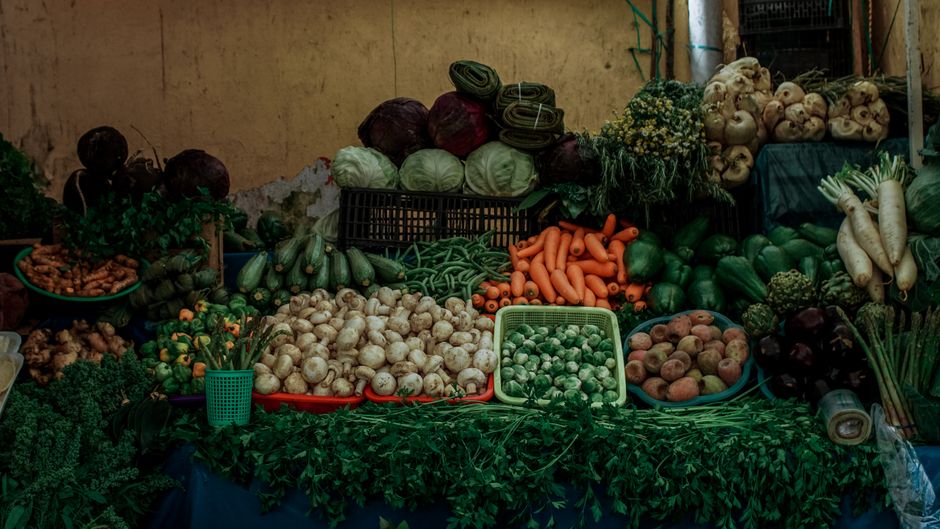
Inflation in Tunisia has climbed above 5 percent, according to recent data, as a marked rise in food prices puts pressure on household budgets across the country. The trend has renewed public frustration over the cost of living and comes at a time of ongoing economic difficulty for many Tunisian families.
Economists and consumer groups point to a combination of factors behind the increase, including disruptions in supply chains that have made the transport and distribution of staple goods more expensive. The role of intermediaries in the agricultural and retail sectors has also drawn attention, with critics arguing that layers of middlemen have contributed to higher consumer prices without adding proportional value to the products reaching shoppers.
A heavier burden on low-income households
For many Tunisians, the impact of rising prices is most felt at the grocery store and the family table. Basic food items, which typically account for a large share of household spending among lower- and middle-income families, have become a particular source of concern. The result is a steady erosion of purchasing power, especially for those whose incomes have not kept pace with the rising cost of essentials.
The economic strain is compounded by persistently high unemployment, a problem that has weighed on Tunisia for years. Joblessness remains particularly acute in marginalized regions located far from the capital Tunis and from the country’s coastal economic hubs, where investment and employment opportunities have historically been concentrated. In these areas, the combination of limited income and rising prices has deepened the sense of economic exclusion.
Public discontent and protests
Discontent over the cost of living has increasingly found expression in public demonstrations. Recent protests have featured slogans highlighting the financial pressures facing ordinary citizens, with demonstrators calling for government action to curb price increases and improve economic conditions. The recurring nature of these gatherings suggests that the issue has moved beyond a purely economic concern to become a focal point of broader social frustration.
Officials have faced mounting pressure to address the drivers of inflation while also tackling structural issues such as unemployment and regional inequality. Analysts note that without coordinated measures to stabilize food prices, streamline supply chains, and expand economic opportunity in underdeveloped areas, the pressure on Tunisian households is likely to persist.
Outlook
As inflation continues to outpace wage growth for many workers, the Tunisian government faces a delicate balancing act between fiscal constraints and the immediate needs of a population grappling with higher living costs. The coming months are likely to test both policymakers’ ability to respond and the public’s patience as the country navigates one of its most persistent economic challenges in recent years.
Source: FRANCE 24 — read the original report.
More From Economy & Business
Nigerians Want Cheaper Petrol, but Renewed Hormuz Tensions Are Keeping Prices High

De Beers to suspend production at flagship South African mine as diamond demand weakens