Nigeria’s Energy Crossroads: Balancing the Dangote Effect With Climate Commitments
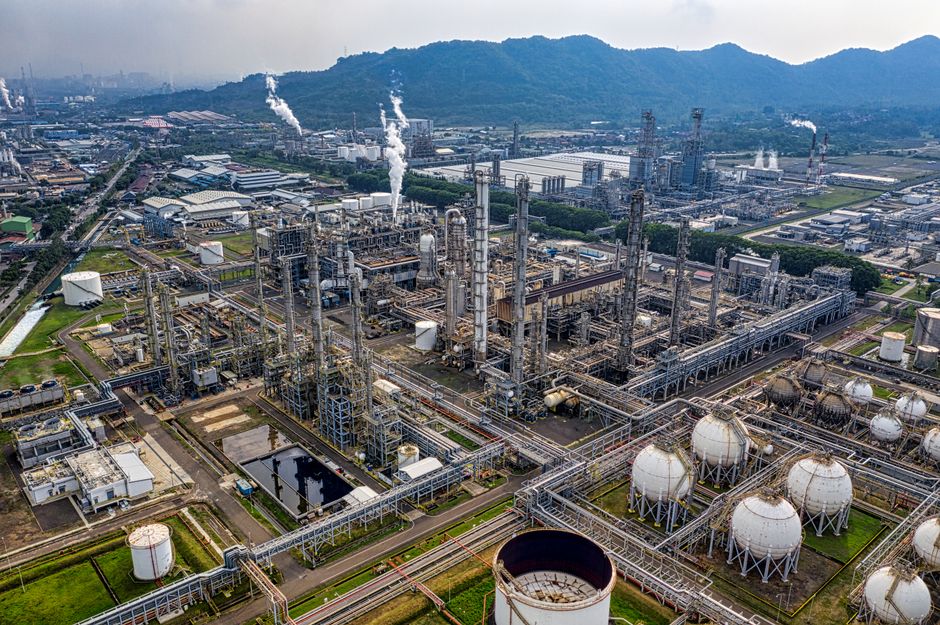
Nigeria stands at a defining moment in its economic and environmental trajectory. As governments around the world accelerate plans to decarbonize their economies, Africa’s largest oil producer is grappling with a familiar tension: how to sustain industrial growth, attract investment, and meet rising domestic energy demand, while simultaneously honouring commitments to a cleaner energy future.
A National Energy Transition Plan Takes Shape
In recent years, Nigeria has positioned itself as a regional voice on climate action. The country’s Energy Transition Plan outlines a long-term vision that includes expanding renewable energy capacity, reducing reliance on gas flaring, and attracting climate finance to support a just transition for communities dependent on fossil fuel industries. Officials have publicly aligned these goals with broader international frameworks, including the Paris Agreement and the Glasgow Climate Pact, signalling that Nigeria intends to participate in the global shift toward low-carbon development, even as its economy remains heavily tied to hydrocarbons.
The Industrial Paradox
At the heart of this transition debate lies what some analysts have described as the “Dangote Effect,” a reference to the outsized influence that Africa’s largest industrial conglomerate, the Dangote Group, wields over Nigeria’s economic direction. The group’s flagship Dangote Refinery and Petrochemicals project, located in the Lekki Free Zone near Lagos, is widely regarded as one of the most ambitious industrial undertakings on the continent. Supporters argue that the facility represents a critical step toward energy self-sufficiency for Nigeria, a country that has historically relied on imported refined petroleum products despite being a major crude producer.
However, environmental advocates and energy analysts have raised questions about the long-term implications of such large-scale fossil fuel infrastructure at a time when the global investment community is increasingly steering capital toward renewable energy. The paradox is stark: a project that strengthens Nigeria’s industrial base and reduces fuel import costs may also lock the country into a carbon-intensive pathway for decades to come.
Striking a Balance
Nigerian policymakers have suggested that the path forward lies not in choosing between industrial expansion and decarbonization, but in sequencing them. Government officials have pointed to natural gas as a transitional fuel, while promoting solar, hydropower, and, more recently, nuclear energy as components of a diversified energy mix. There is also growing interest in green hydrogen and carbon capture technologies, though these remain in early stages across the continent.
Civil society groups, however, caution that without stronger regulatory frameworks, transparent reporting on emissions, and meaningful investment in renewable infrastructure, the energy transition risks becoming more rhetorical than real. They argue that the social and environmental costs of continued fossil fuel dependence, particularly in the Niger Delta, demand a more urgent and equitable response.
A Continental Test Case
Nigeria’s experience carries implications well beyond its borders. As other African nations face similar choices about resource-led development versus climate responsibility, the outcomes in Lagos, Abuja, and the Niger Delta will be closely watched. Whether the “Dangote Effect” ultimately accelerates or complicates Nigeria’s energy transition may well shape how the continent navigates one of the most consequential economic shifts of the 21st century.
Source: AllAfrica — read the original report.
More From Economy & Business
De Beers to suspend production at flagship South African mine as diamond demand weakens

BRVM Posts Sharp Weekly Gains as Ecobank Transnational Tops the Leaderboard