Treacherous Roads Hamper UN Aid Delivery in South Sudan
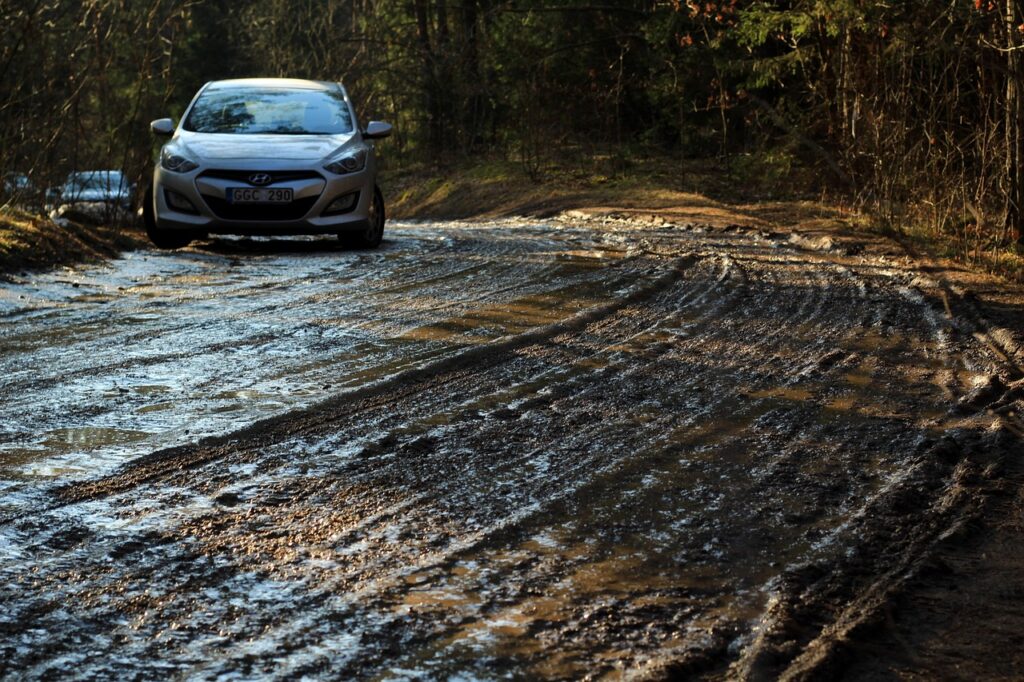
Humanitarian operations in South Sudan are facing severe disruptions as deteriorating road conditions prevent UN convoys from delivering essential aid to vulnerable communities across the country. The state of the transport network has emerged as a critical factor in determining whether food reaches local markets, whether patients can access medical facilities, and whether relief supplies make it to families in need.
A Fragile Lifeline Under Pressure
South Sudan’s road infrastructure, much of which remains unpaved and poorly maintained, becomes especially challenging during the rainy season. Heavy downpours turn dirt tracks into impassable mudslides, isolating remote areas and cutting off communities that depend on external support for survival. Humanitarian organisations have repeatedly highlighted that logistics, rather than the availability of supplies, often determine the success or failure of relief operations.
Impact on Food Security and Health Services
The inability to move goods efficiently has wider consequences beyond immediate relief efforts. Supply chain disruptions affect food prices in local markets, raising the cost of staples for households already struggling with economic hardship. Health facilities in remote regions risk running out of medicines and medical supplies, while vaccination campaigns and emergency medical referrals face dangerous delays. For many South Sudanese, the journey to the nearest clinic or food distribution point can mean the difference between life and death.
A Broader Humanitarian Challenge
South Sudan remains one of the world’s most challenging environments for humanitarian operations, with ongoing instability compounding the difficulties created by geography and infrastructure. International agencies continue to seek innovative solutions, including airlifts and the pre-positioning of supplies ahead of seasonal disruptions. However, the fundamental problem of access remains a persistent obstacle to reaching those most in need.
Looking Ahead
Without sustained investment in infrastructure and improved coordination between humanitarian agencies and local authorities, the delivery of life-saving assistance in South Sudan will remain heavily dependent on weather patterns and road conditions. For millions of South Sudanese, the reliability of these lifelines is an urgent concern that extends well beyond any single rainy season.
Source: Africanews — read the original report.
More From Conflict & Security
Second Tanker Hijacked off Yemen in Three Months as Somali Piracy Resurges

Wazalendo Militia Threaten Journalists in Eastern DR Congo Over War Coverage, CPJ Reports