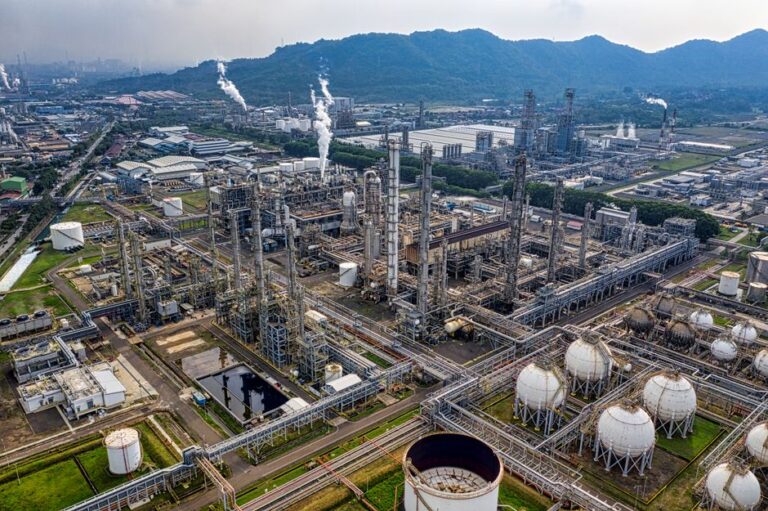
Trans-Saharan Gas Pipeline: A Decades-Old Vision Rekindled
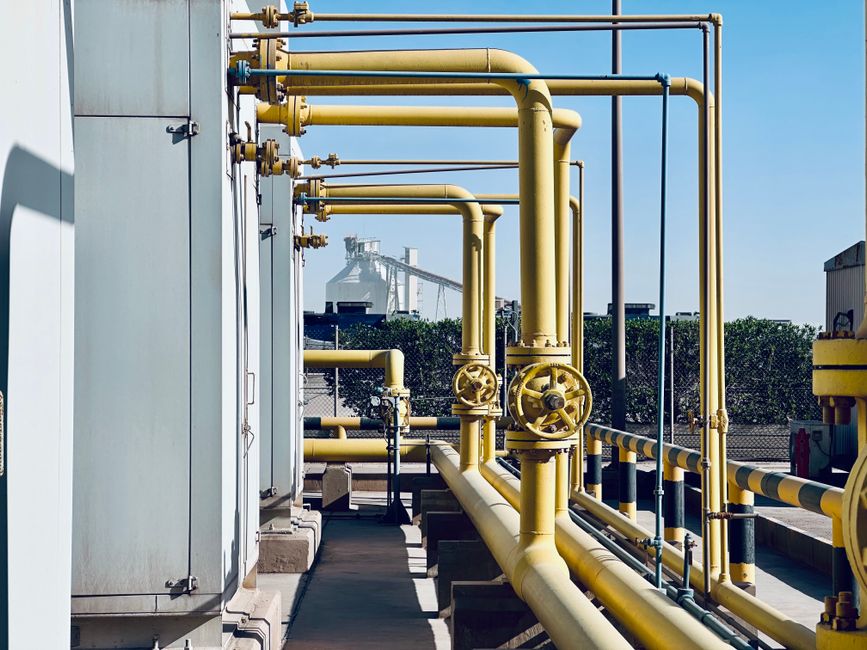
The Trans-Saharan Gas Pipeline, a long-conceived infrastructure project designed to carry Nigerian natural gas across the African continent to European markets, has returned to active development following the recent announcement that construction of its Algerian segment has resumed. The move marks one of the most significant steps forward in a project that has been discussed, debated and delayed for roughly two decades.
A long-anticipated infrastructure project
First proposed in the early years of the 21st century, the pipeline was conceived as a way to connect Nigeria’s vast natural gas reserves to Algeria’s existing network of export pipelines, which in turn link to the Mediterranean and European energy markets. From the outset, the project has been regarded as one of the most ambitious energy infrastructure plans on the African continent, both for the distances it would span and the political and logistical challenges involved in crossing multiple national borders through some of the world’s most demanding terrain.
The resumption of work on the Algerian portion comes after years of stalled negotiations and shifting political dynamics across the region. It signals renewed momentum from Algiers, which has long positioned itself as a key transit hub and supplier of gas to southern Europe, and from Abuja, which has continued to seek international markets for its substantial gas resources.
Implications for Europe’s energy map
For European energy planners, the project holds particular appeal at a time when the continent has been working to diversify its sources of natural gas supply. A pipeline running from West Africa to the Mediterranean would offer a route independent of existing infrastructure, potentially giving European buyers additional negotiating leverage and reducing dependence on any single supplier.
Analysts have also pointed to the broader economic significance for the countries along the proposed route. Transit fees, local employment, and the development of associated industrial infrastructure could deliver substantial benefits to Algeria, Niger and Nigeria, while also offering landlocked Niger a more prominent role in regional energy trade.
Challenges ahead
Despite the renewed momentum, the project still faces considerable obstacles. Securing stable financing for infrastructure of this scale, navigating the political and security situation in parts of the Sahel, and coordinating between multiple governments with differing priorities have all contributed to past delays. Environmental and community concerns along the proposed corridor have also been raised, as have questions about the long-term viability of new gas infrastructure in a global market that is gradually shifting toward lower-carbon energy sources.
A project in the making
Whether the latest restart translates into full and sustained construction remains to be seen. But for the governments and companies involved, the resumption of work on the Algerian section suggests that, after years on the drawing board, one of Africa’s most ambitious energy projects is once again moving from concept to concrete. If completed, it could redraw the map of trans-Mediterranean energy flows and add a new dimension to the continent’s role in global energy markets.
Source: FRANCE 24 — read the original report.
More From Economy & Business
Nigerians Want Cheaper Petrol, but Renewed Hormuz Tensions Are Keeping Prices High
De Beers to suspend production at flagship South African mine as diamond demand weakens