Thirty-Two Years On, Young Rwandans Reflect on Progress, Pain and Hope
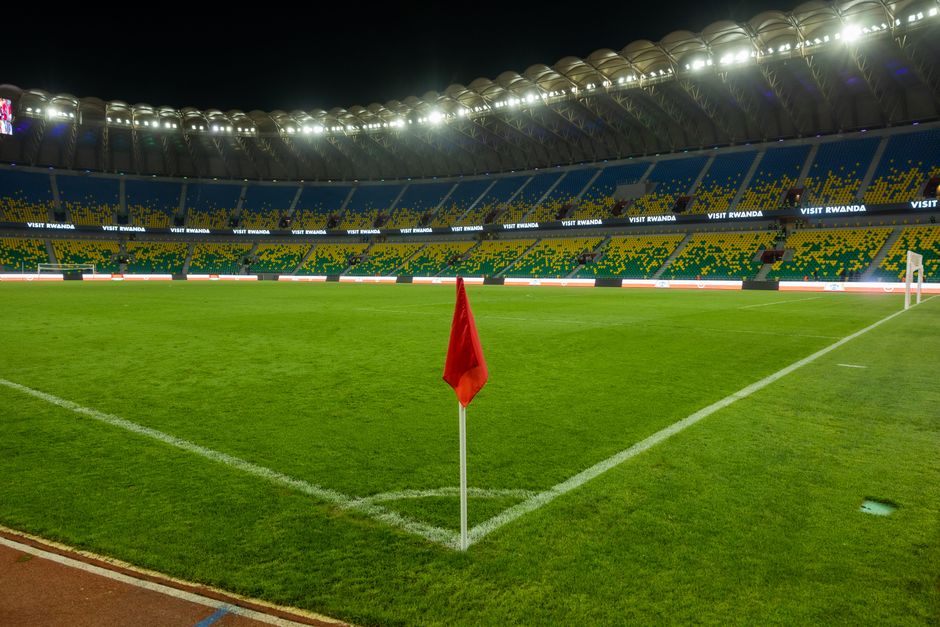
As Rwanda marks another Liberation Day, the country’s youngest citizens are at the centre of a national conversation that balances remembrance of profound loss with aspirations for the future. Thirty-two years after the end of the 1994 genocide against the Tutsi, many of those who now shape public life in Rwanda did not witness the violence firsthand, but say they carry its weight through family memory, school curricula, and public commemoration.
Each July, Liberation Day commemorates the end of the genocide and the advance of the Rwandan Patriotic Front, which halted the mass killings that left an estimated 800,000 people dead. For an older generation, the day remains anchored in grief. For younger Rwandans, however, it has also become an occasion to take stock of how far the country has come — and what reconciliation still demands.
A generation defined by reconstruction
Young Rwandans are coming of age in a country that has undergone sweeping social and economic transformation since the mid-1990s. Education enrollment has risen sharply, infrastructure projects have reshaped cities like Kigali, and a national ethos of unity and forward planning is reinforced in schools, workplaces, and the media. Many young people describe a sense of duty to honour the dead through participation in national rebuilding — studying, working, and contributing to community life.
Pain that remains visible
That progress, young Rwandans say, does not erase the underlying realities of a society still healing. Survivors of the genocide live alongside those whose families were spared, and questions of justice, forgiveness, and economic equity remain present in everyday life. Memorials, the Gacaca community courts legacy, and annual commemoration events keep the trauma of 1994 in the national consciousness, ensuring that younger generations encounter the history directly rather than as distant memory.
Looking ahead with cautious optimism
Surveying the decades since the genocide, many young Rwandans express a pragmatic hope: that stability, education, and economic opportunity can be sustained, and that the unity promoted by leadership is matched by genuine social reconciliation. They also speak openly about the pressures of carrying a national story shaped by catastrophe — expectations of patriotism, restraint in public expression, and the responsibility of being seen as the country’s future.
As Rwanda observes Liberation Day, the voices of its younger citizens underline that commemoration is not solely an act of looking back. It is also a reaffirmation of the work still ahead — building a country where progress and memory advance together.
Source: Al Jazeera — read the original report.