Sudan’s War-Weary Communities Confront New Cholera Outbreak
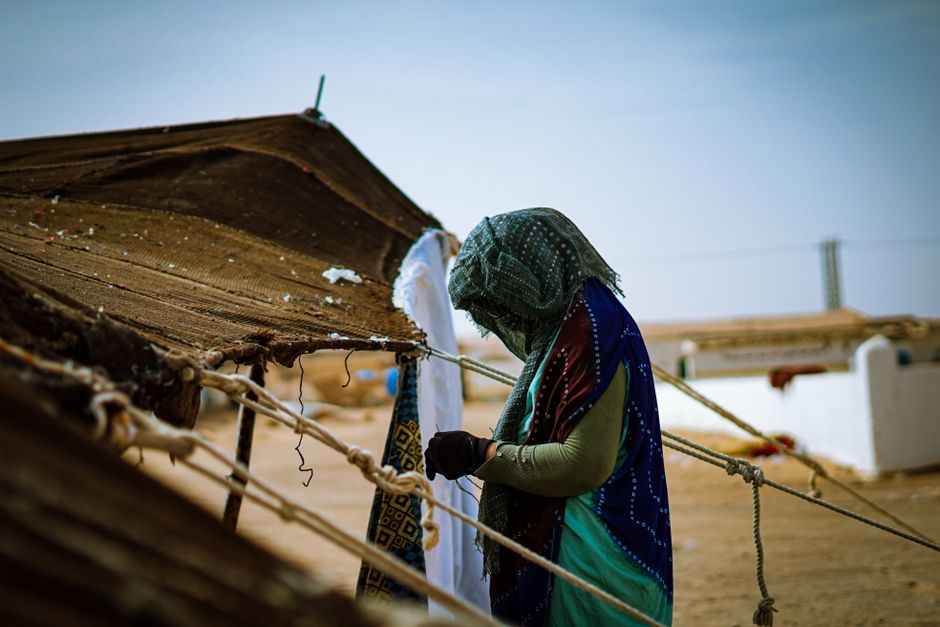
A fresh cholera outbreak is sweeping through war-torn Sudan, killing more than 100 people and deepening the humanitarian emergency confronting civilians already battered by months of armed conflict. The resurgence of the waterborne disease has raised alarm among aid workers who warn that collapsing health infrastructure and restricted access to clean water are accelerating the spread.
A Crisis Layered on Conflict
Sudan’s healthcare system has been pushed to the brink since fighting erupted between the Sudanese Armed Forces and the paramilitary Rapid Support Forces in April 2023. Hospitals have been damaged or destroyed, medical supplies have dwindled, and large segments of the population have been displaced from their homes. Health officials have repeatedly cautioned that the breakdown of basic sanitation and the mass movement of civilians fleeing violence create ideal conditions for cholera, a disease that can spread rapidly through contaminated water.
Besieged El-Obeid at the Epicentre
Among the hardest-hit areas is the city of El-Obeid, the capital of North Kordofan state, which remains under siege. According to UN reports, daily drone attacks on the city and its surrounding areas have continued to disrupt humanitarian operations, making it extraordinarily difficult for aid agencies to deliver medical supplies, establish treatment centres, and reach patients in urgent need. Civilians trapped inside the city face a compounded crisis: the threat of airstrikes alongside the absence of functioning medical facilities and safe drinking water.
Growing Toll on Vulnerable Communities
The outbreak is hitting the most vulnerable populations hardest, including displaced families living in overcrowded shelters, children suffering from malnutrition, and those with limited access to medical care. Cholera causes severe dehydration and can be fatal within hours if left untreated, making rapid access to rehydration therapy and medical attention essential. With aid corridors blocked or contested, responders say the window for containing the outbreak is narrowing.
Calls for Unhindered Humanitarian Access
International organisations have reiterated demands for unimpeded humanitarian access across Sudan’s conflict lines, urging warring parties to allow the delivery of medicine, clean water, and medical equipment. The convergence of infectious disease and active combat has drawn comparisons to previous public health emergencies in conflict zones, where preventable deaths often escalate when aid cannot reach those in need.
As the rainy season advances and fighting shows little sign of abating, aid agencies warn that the cholera outbreak could intensify further unless urgent steps are taken to restore water and sanitation services and reopen humanitarian routes into besieged areas such as El-Obeid.
Source: AllAfrica — read the original report.
More From Conflict & Security
Armed groups attack Malian military convoy in Gao region, army says counterattack under way
Second Tanker Hijacked off Yemen in Three Months as Somali Piracy Resurges