How football is helping immigrants and refugees find a sense of home in the United States
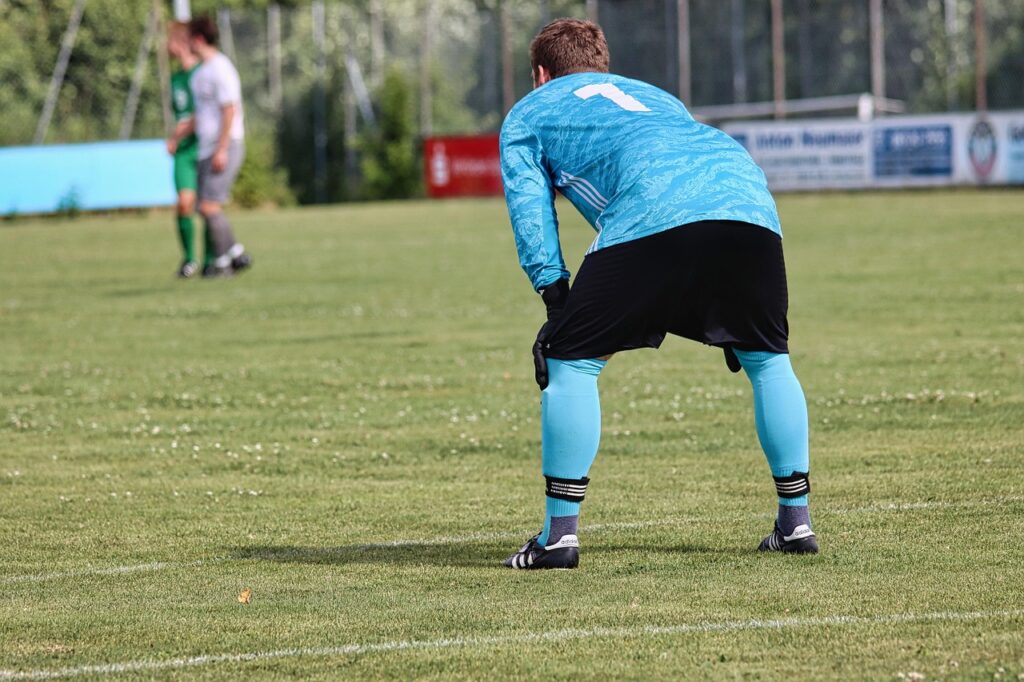
In a public park in the US state of Maine, a familiar weekend ritual unfolds: a group of men in mismatched jerseys chase a football across uneven grass, calling out in several different languages. For the immigrants and refugees who gather for these informal matches, the sport has become more than a pastime — it has become a tool for rebuilding community in an unfamiliar country.
The matches, organised with no fanfare and no formal league, reflect a growing phenomenon across small-town America, where newly arrived families are using sport to bridge linguistic, cultural and generational divides. Organisers and participants say the rhythm of a weekly fixture offers newcomers something structured and joyful in a life that often feels uncertain.
A common language beyond words
Football, the world’s most widely played sport, has long been described as a universal language. For immigrants navigating paperwork, housing, employment and schooling, that common vocabulary can be especially valuable. Players say the pitch becomes one of the few spaces where status, accent and origin matter less than skill, effort and teamwork.
Beyond the game itself, the gatherings serve as informal social hubs. Parents watch from the sidelines, children play nearby, and conversations that begin with kick-offs often continue over shared meals. Friendships formed on the field have, in many cases, translated into practical support: rides to appointments, help with translations, and introductions to local services.
Resettlement in small-town America
Maine, like several other northern US states, has welcomed resettled refugees in waves over recent decades, with communities from East Africa, Southeast Asia, the Middle East and Central America establishing roots in towns that once saw little cultural diversity. Sports programmes — from football to basketball to running clubs — have frequently been cited as among the most effective ways to integrate newcomers, particularly in places where formal resettlement support can be limited.
Researchers who study migration and community building have repeatedly found that participation in recreational sport correlates with stronger social ties, improved mental health and a greater sense of belonging among immigrant populations. While the academic findings vary, the lived experience of the players in Maine echoes that broader pattern.
More than a game
For many of those involved, the value of the matches lies less in the score than in the sense of routine and recognition they provide. For newcomers adjusting to life in a new country, the act of simply turning up to play — week after week, in a place that feels safe — carries its own quiet significance.
As one element of a wider patchwork of community initiatives across the United States, the Maine football gatherings illustrate how grassroots activities can help newcomers transition from arrival to belonging, one kick at a time.
Source: BBC News — read the original report.