Spain prepares for rare total solar eclipse as 2026 sky show approaches
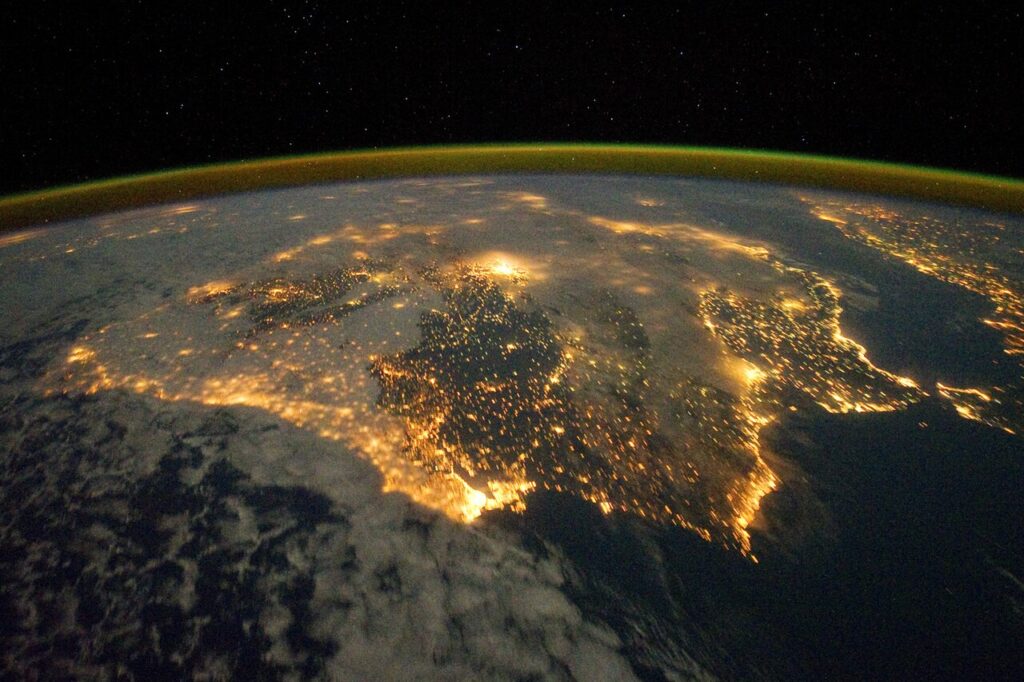
Spain is preparing for a rare celestial spectacle as a total solar eclipse crosses the mainland on August 12, plunging parts of the Iberian Peninsula into brief midday darkness and offering millions of Europeans one of the most striking sights in observational astronomy.
According to Africanews, the event will see the moon pass directly between the Earth and the sun, briefly blocking the solar disk and casting a narrow shadow — known as the path of totality — across a slice of Spanish territory. Communities along the eclipse’s central line will experience several minutes of darkness during what would normally be full daylight.
Total solar eclipses are exceptionally rare events for any single location. While partial eclipses occur somewhere on Earth roughly every 18 months on average, the alignment required for a full total eclipse at a given point is far less common. Spain’s most recent encounter with totality dates back more than a century, and astronomers note that the 2026 event is already drawing significant attention from both professional researchers and amateur skywatchers.
Beyond Spain, the eclipse will be visible as a partial event across much of Europe, including Portugal, France, the United Kingdom, Ireland and parts of Scandinavia. Observers outside the path of totality will see the moon take a significant bite from the sun’s disk, producing a notable dimming of daylight even where the full eclipse is not experienced.
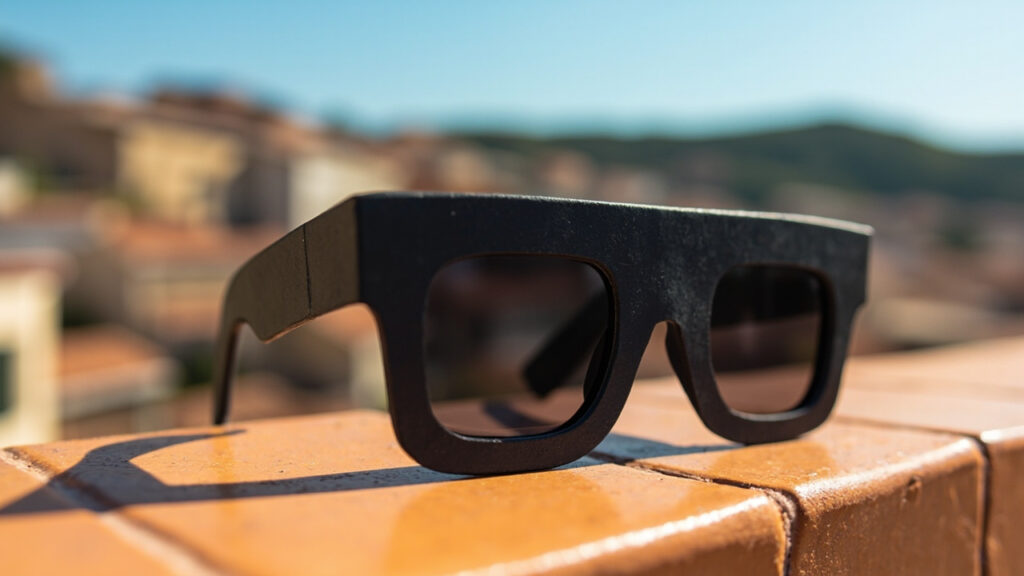
Spanish authorities have begun preparing for the influx of observers, with safety guidance emphasising the use of certified eclipse glasses to prevent permanent eye damage when looking directly at the sun. Spain is home to several major astronomical facilities, including observatories in the Canary Islands, and the country has historically played a role in European astronomy. As August 12 approaches, Spain finds itself at the centre of one of the decade’s most anticipated astronomical moments — a fleeting alignment of sun, moon and Earth that will not recur at this location for years to come.
Sources
This report was written from coverage published by the following news organisations. Follow the links for the original reporting.