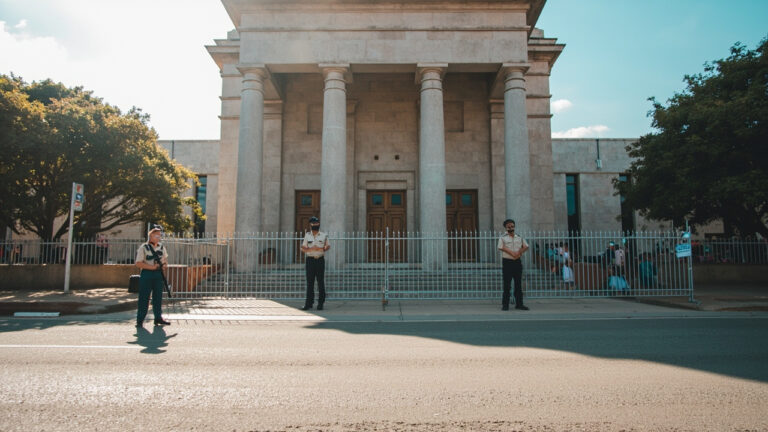
Sierra Leone parliament approves sweeping electoral reform
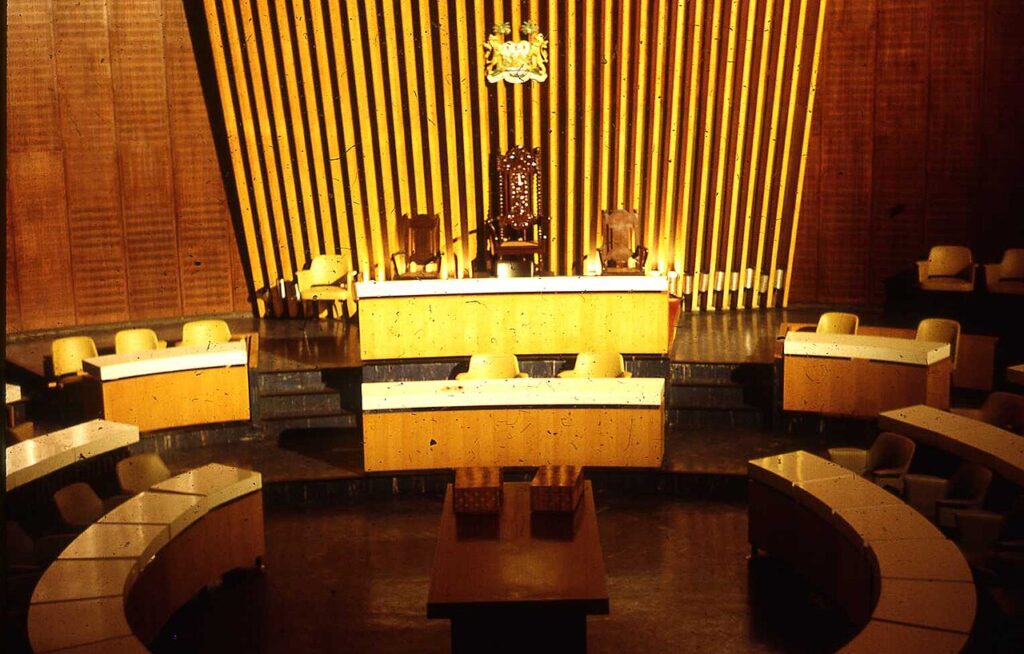
Sierra Leone’s parliament has approved a wide-ranging overhaul of the country’s electoral rules, a move that has drawn sharp criticism from opposition figures who argue the reforms could reshape the political landscape ahead of the next vote.
According to Africanews, MPs backed legislation that lowers the threshold required to win the presidency, introduces elements of proportional representation, and reserves 30 percent of political leadership positions for women. The package represents one of the most significant changes to Sierra Leone’s electoral framework in years.
What the law changes
Under the new rules, a presidential candidate will no longer need to win outright in the first round to claim office. The reform also introduces proportional representation, a system that allocates seats in proportion to the share of votes received, replacing elements of the previous first-past-the-post model applied in parliamentary elections. Reserved seats, accounting for 30 percent of political leadership positions, will be set aside for women.
Political controversy
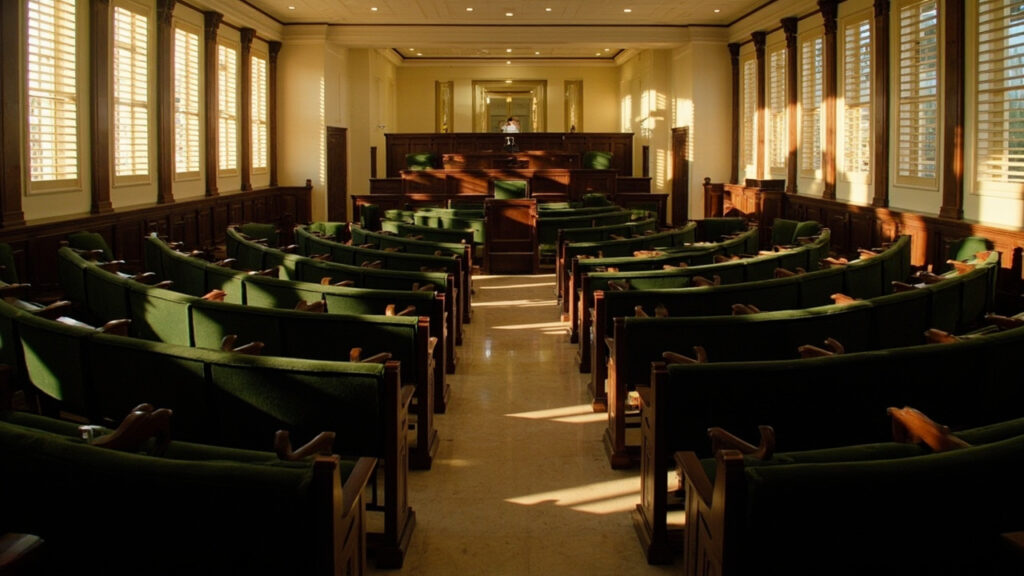
The reforms have been widely contested in Freetown. Critics, including members of the opposition, have argued that the changes could be used to benefit the ruling party, though supporters maintain the package is necessary to broaden representation and ensure fairer outcomes.
Sierra Leone, a West African nation that emerged from a civil war in 2002, has long struggled with low representation of women in political office, and the reserved-seat provision is being viewed as a major step toward gender parity in public life. The legislation now awaits presidential assent before taking effect.
Sources
This report was written from coverage published by the following news organisations. Follow the links for the original reporting.