Ghana’s cocoa shield: protecting the crop or criminalising its farmers?
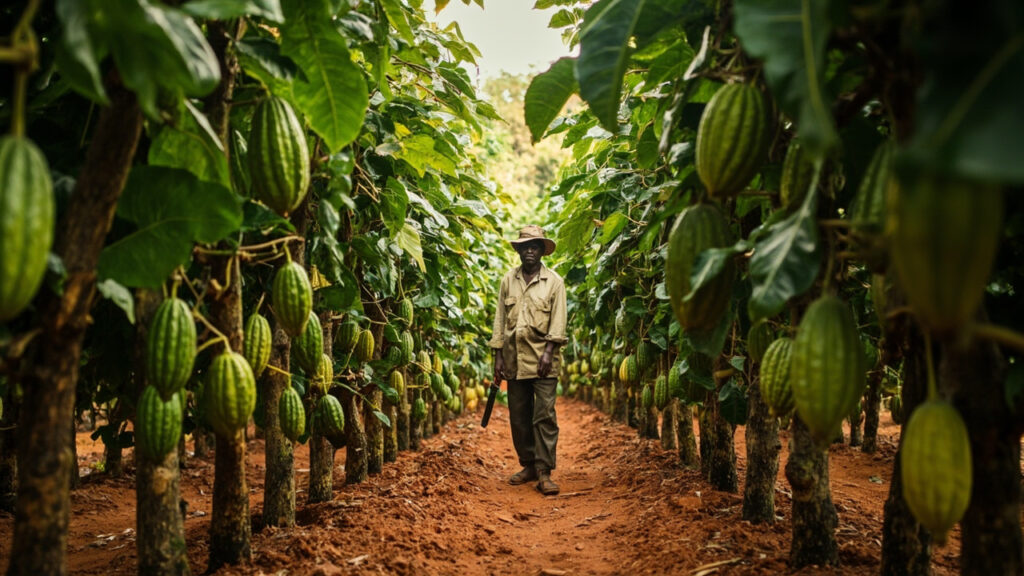
Ghana, the world’s second-largest cocoa producer, is weighing sweeping new protections for its cocoa sector that critics say could expose roughly 800,000 smallholder farmers to criminal liability for ordinary farming decisions, according to The Africa Report.

The West African nation has long depended on cocoa as a cornerstone of its export earnings. The crop sustains an estimated 800,000 farming households across Ghana’s forested regions, and together with neighbouring Côte d’Ivoire the two countries form the backbone of global cocoa supply. In recent years, however, the sector has faced mounting pressures: aging tree stocks, swollen-shoot disease, declining yields per hectare and the steady encroachment of illegal gold mining — known locally as galamsey — onto cocoa lands.
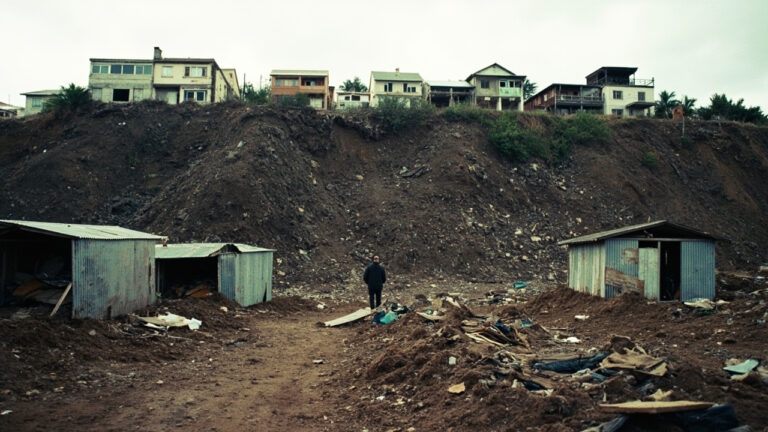
According to The Africa Report, the proposed protections are intended to shield farmland from mining activity and to preserve the cocoa belt from further decline. Yet the scope of the measures has raised concerns that routine decisions by smallholders — from replanting cycles to land-use choices — could be reinterpreted as criminal offences under the new framework.
The Ghana Cocoa Board, known as COCOBOD, is the state-run body that sets annual producer prices and oversees quality controls across the sector. Past interventions have included replanting schemes, disease-eradication campaigns and efforts to demarcate cocoa-growing zones.
The latest package, as The Africa Report reported, appears to extend that regulatory reach significantly, attaching penalties to a broader range of on-farm activities. Without clear exemptions and farmer-friendly enforcement, the legislation risks criminalising the very producers it is meant to protect — a tension likely to shape the political debate as the proposals move through Accra.
Sources
This report was written from coverage published by the following news organisations. Follow the links for the original reporting.