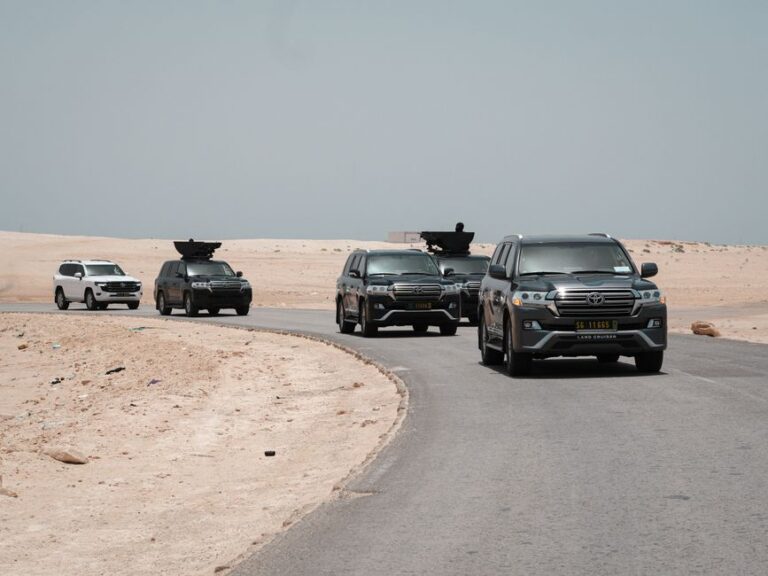
Russia Vows to Keep Forces in Mali Amid Escalating Crisis in the Sahel

Russia has confirmed that its Africa Corps paramilitary unit will remain deployed in Mali despite mounting pressure from Tuareg separatists who have seized control of the strategic northern town of Kidal. The declaration marks a significant escalation in the ongoing security crisis that has plunged the West African nation into deeper uncertainty.
The announcement came from the Kremlin in Moscow on Thursday, with a spokesperson reaffirming Russia commitment to supporting Mali military junta in what he described as the fight against extremism and terrorism. The statement directly rejected demands from Tuareg rebel groups that had called for the withdrawal of Russian forces following their surprise offensive across the country.
The crisis deepened further with the killing of Mali Defence Minister, General Sadio Camara, during a coordinated militant attack on his residence. General Camara had been a central figure in Mali military government and the architect of the country partnership with Russia Africa Corps, the successor to the infamous Wagner Group. His death removes a key liaison between the junta and its Russian backers.
A Strategic Setback for Moscow
The fall of Kidal represents a strategic setback for Russia presence in the Sahel region. The town, located in the far north of Mali, had been a symbol of the joint Russian-Malian military campaign that pushed out Tuareg separatist forces in 2023. Its recapture was held up by Moscow as evidence of the effectiveness of its Africa Corps in stabilising allied governments against insurgent threats.
Tuareg fighters, working alongside jihadist groups linked to Al-Qaeda and Islamic State, launched a nationwide offensive over the weekend that overwhelmed military positions across several regions. The offensive included a suicide truck bombing that targeted the defence minister residence in the capital Bamako, where General Camara was killed. Subsequent coordinated attacks resulted in the fall of Kidal and other northern positions.
Despite these losses, the Kremlin has insisted that its forces will not abandon Mali. Russia Africa Corps remains committed to its partnership with the Malian authorities in the fight against terrorism and extremism, the statement read, adding that withdrawal discussions had not taken place and were not being considered.
Regional and International Implications
The crisis in Mali has drawn concern from Western governments, including the European Union, which issued a statement condemning the attacks and offering condolences to the families of victims. France, formerly Mali primary security partner before its acrimonious exit from the country, has maintained a cautious distance since the military junta turned to Russia for support.
The situation also raises broader questions about the sustainability of Russia security strategy in Africa. The Africa Corps model, through which Moscow provides military support in exchange for mineral rights and political backing, has faced increasing strain as insurgent groups demonstrate an ability to exploit local grievances and weak governance structures.
Observers note that the Tuareg rebellion combines both ethnic and ideological motivations, making it harder to counter through conventional military force alone. The involvement of Al-Qaeda and Islamic State-affiliated groups has further complicated the battlefield, with multiple armed factions pursuing overlapping but sometimes distinct objectives.
Mali has been grappling with a severe security crisis since 2012, when a Tuareg insurgency triggered a coup that opened the door for jihadist groups to take over the north. Despite international intervention and subsequent military operations, the violence has persisted and expanded across the Sahel region, affecting neighbouring Burkina Faso and Niger as well.
The junta, led by General Assimi Goita, has consolidated power since taking control in 2020 and has justified its rule through promises to restore stability. However, the current offensive suggests that those promises remain unfulfilled, with the rebels now controlling significant territory and demonstrating tactical coordination that has surprised even experienced military analysts.
More From Conflict & Security
South Africa probes death of Nigerian man who collapsed during arrest
Arrest of Nigerian soldier over alleged links to criminals deepens scrutiny of military conduct