Rights Groups Sue Kenyan Police Over Nairobi Lockdown During Gen Z Protest Anniversary
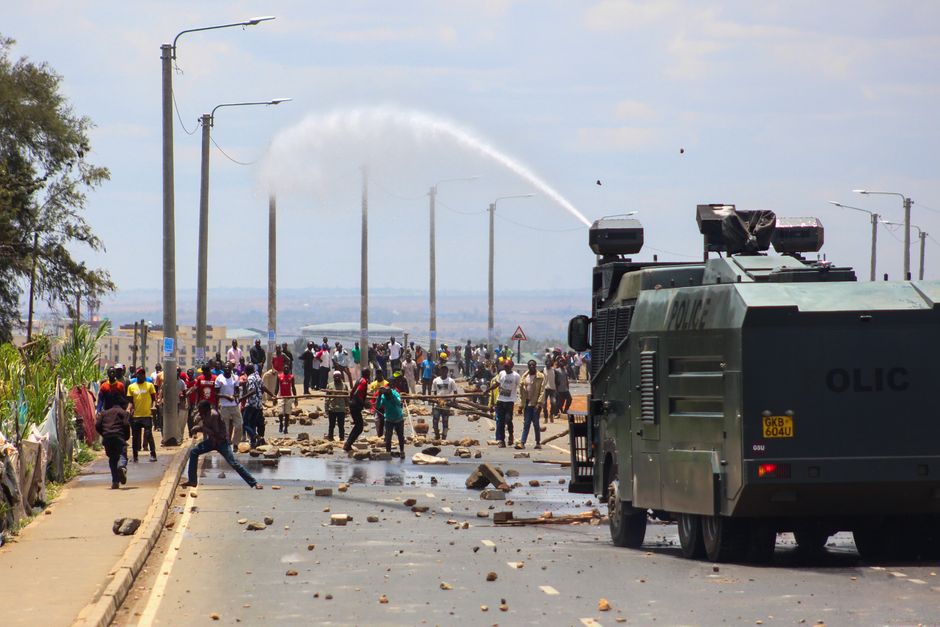
Kenya’s police force is facing a legal challenge over its decision to shut down central Nairobi during demonstrations marking the second anniversary of the Gen Z uprising. Rights advocates have filed a lawsuit arguing that the lockdown unlawfully restricted the movement and assembly rights of residents and demonstrators.
Background of the Gen Z Movement
The original Gen Z protests, which began two years ago, emerged as a youth-driven movement calling for government accountability and economic reforms. The demonstrations drew large crowds of young Kenyans into the streets of Nairobi and other towns, becoming one of the most significant waves of civic activism the country had seen in recent years. The anniversary protests sought to commemorate those events and to renew calls for reforms.
Allegations of Unlawful Restrictions
According to those behind the lawsuit, the police response went beyond the maintenance of public order. The complainants contend that security forces imposed sweeping restrictions on access to central Nairobi, effectively confining residents and shutting down business activity in parts of the capital. The legal action argues that such measures amounted to a disproportionate infringement on constitutional freedoms of movement and expression.
Broader Concerns Over Policing
The case comes amid ongoing debate in Kenya about the conduct of security services during public demonstrations. Past protests have drawn criticism from civil society groups and international observers over allegations of excessive force and arbitrary detention. Lawyers and rights organisations have repeatedly called for clearer accountability mechanisms and for police actions during protests to be brought under closer judicial review.
What the Lawsuit Seeks
The plaintiffs are asking the court to examine the legality of the lockdown measures and to establish whether the police acted within the boundaries of Kenyan law. Beyond the specific events surrounding the anniversary, the suit is expected to raise broader questions about the rules governing crowd control, freedom of assembly, and the powers of law enforcement agencies in urban centres.
The case is likely to be closely watched by civic groups, legal practitioners, and members of the public who have followed the trajectory of youth-led activism in Kenya. Regardless of its outcome, the lawsuit underscores the continuing tension between state security operations and the constitutional rights of citizens to gather and express their views peacefully.
Source: Africanews — read the original report.