Ramaphosa honors South African WWI fallen in France, calls for recognition of Black soldiers
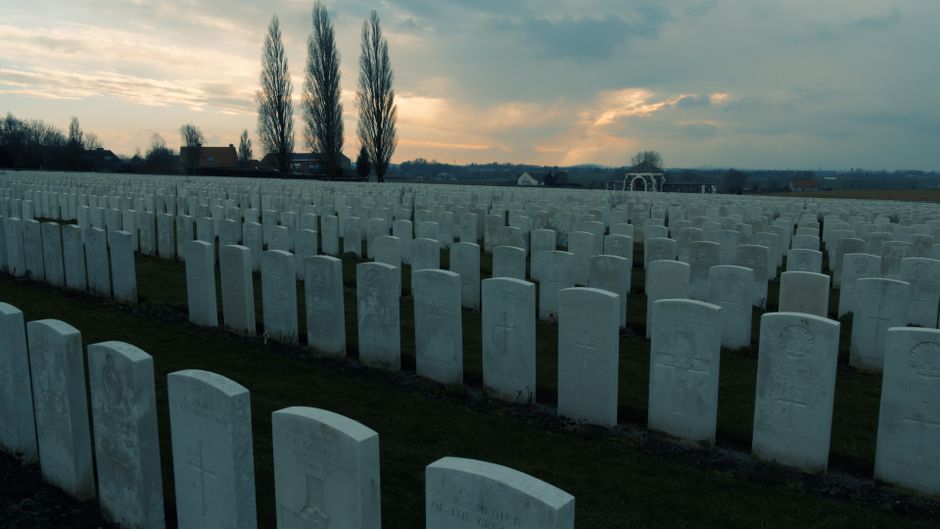
South African President Cyril Ramaphosa travelled to France to pay tribute to South Africans who lost their lives during the First World War, using the occasion to call for greater public recognition of Black South Africans whose contributions to the war were long overlooked in the country’s official historical narrative.
A visit to historic battlefields
During commemorations at sites marking South African involvement in the conflict, Ramaphosa laid wreaths and paid respects to the thousands of soldiers who served far from home. South Africa, then part of the British Empire, contributed troops and auxiliary units to the Allied war effort between 1914 and 1918. Many of those who fought or served in support roles never returned, and their graves are scattered across cemeteries in France and Belgium.
Calls for fuller historical recognition
In remarks delivered during the visit, Ramaphosa stressed that the country’s history should reflect the sacrifice of all who served, including Black South Africans whose participation in the war has historically been downplayed. He called for broader acknowledgment of their role, arguing that the omission of their stories from mainstream historical accounts represents a significant gap in the nation’s collective memory. The president framed the effort as part of a wider process of reckoning with the country’s past and ensuring that commemoration reflects the full diversity of those who served.
A long-overdue conversation
Historians have long documented that Black South Africans played a substantial role in supporting the war effort, both as soldiers in auxiliary formations and as labourers in supply and transport units. Yet for much of the twentieth century, official accounts focused predominantly on white combatants, and the contributions of Black servicemen and workers received limited attention in school curricula, public memorials, and national commemorations. Ramaphosa’s remarks add the weight of the presidency to ongoing efforts by researchers, veterans’ groups, and cultural institutions to restore those narratives to public view.
Diplomacy and memory
The visit also carries a diplomatic dimension, as South Africa and France continue to cooperate on issues including trade, climate change, and governance on the African continent. By centring the memory of soldiers buried on French soil, the trip underscores the enduring ties between the two countries and highlights how shared remembrance of historical events can serve as a bridge between present-day partnerships.
Ramaphosa’s call for recognition is likely to resonate beyond the centenary commemorations, as South Africa continues to grapple with how its history is taught, memorialised, and debated in public life.
Source: Africanews — read the original report.
More From Politics & Governance
U.S. House Passes Bill Linking Nigerian Foreign Aid to Protection of Christian Communities

Ethiopia Launches National Dialogue Conference in Addis Ababa