U.S. House Passes Bill Linking Nigerian Foreign Aid to Protection of Christian Communities
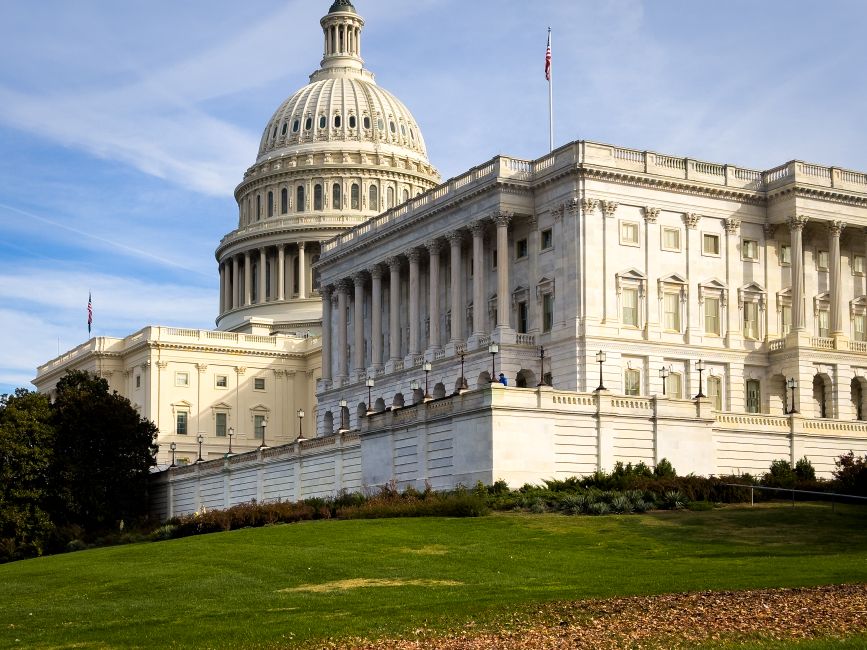
The United States House of Representatives has passed legislation that would restrict certain forms of foreign assistance to Nigeria until Congress determines that measurable steps are being taken to protect Christian communities affected by religious violence, according to the bill’s text reported by Premium Times.
The measure, as described in its provisions, conditions continued U.S. support for Nigeria on progress in safeguarding religious minorities. Lawmakers backing the bill have framed it as a response to persistent attacks that have affected communities in several regions of the country, particularly in the Middle Belt, where intercommunal and religiously motivated violence has been a long-standing concern.
Background of Religious Tensions in Nigeria
Nigeria, Africa’s most populous nation, has experienced recurring episodes of violence pitting Christian and Muslim communities against one another, often along ethnic and geographic lines. Human rights organisations and international observers have documented numerous incidents involving armed groups, communal clashes, and reprisal attacks, many of which have drawn international attention and calls for greater protection of vulnerable populations.
The relationship between U.S. foreign policy and Nigeria has historically involved cooperation on counterterrorism, trade, and development. Nigeria is also a significant recipient of American humanitarian and security assistance, making any conditionality on aid a matter of diplomatic and strategic importance.
Implications for U.S.-Nigeria Relations
If enacted, the bill would require the U.S. administration to assess whether the Nigerian government has implemented sufficient measures to address religious violence before certain aid flows continue. Critics of such conditionality have, in similar past debates, warned that tying aid to specific religious or political conditions can complicate bilateral relations and may not address underlying drivers of violence, which often include land disputes, economic marginalisation, and weak security institutions.
Supporters of the legislation argue that targeted accountability measures are necessary to ensure that U.S. taxpayer dollars do not flow to governments perceived as failing to protect religious freedoms. Nigeria’s government has, in previous statements, maintained that it is committed to safeguarding all citizens regardless of faith and that security operations are being intensified in affected regions.
Next Steps
The bill now moves to the U.S. Senate, where it will undergo further deliberation before any potential vote. Even if passed by both chambers, it would still require presidential signature to become law. Diplomatic engagement between Washington and Abuja is likely to continue as the legislative process unfolds, with both sides navigating the broader context of security cooperation, counterterrorism efforts against groups operating in the Lake Chad Basin, and ongoing trade and investment ties.
The outcome of the legislation is expected to be closely watched by civil society groups, religious leaders, and diplomatic observers on both sides of the Atlantic, given its potential ramifications for U.S. engagement in one of Africa’s most strategically significant countries.
Source: AllAfrica — read the original report.