Oil prices climb as US-Iran tensions cloud Strait of Hormuz recovery
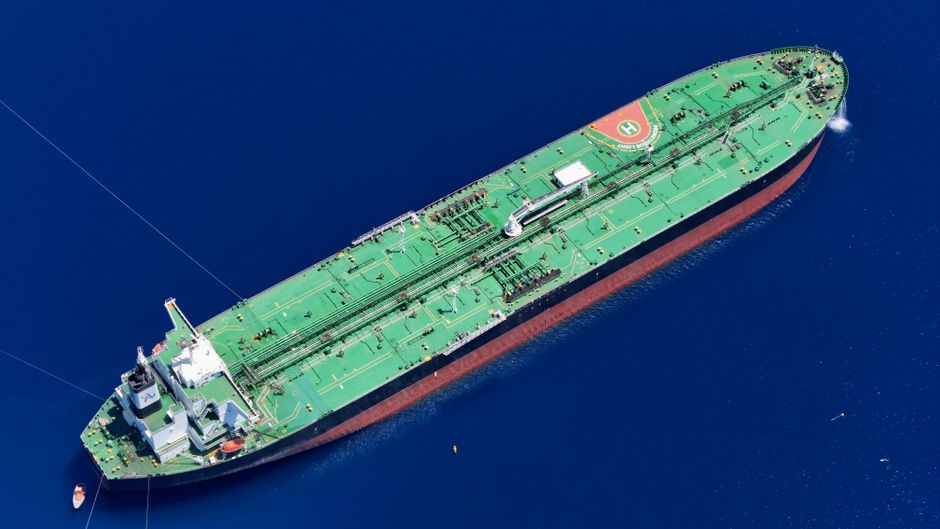
Crude oil prices edged higher as renewed tensions between the United States and Iran raised fresh doubts over the reopening of the Strait of Hormuz, one of the world’s most critical energy shipping lanes. Brent crude ticked up amid concerns that tit-for-tat strikes between Washington and Tehran could derail efforts to restore normal traffic through the narrow waterway.
A vital global chokepoint
The Strait of Hormuz, which sits between Iran and the Arabian Peninsula, is a vital conduit for global oil shipments. A significant share of the world’s crude oil transits through the passage each day, connecting producers in the Gulf with markets across Asia, Europe and beyond. The waterway’s strategic importance means that even brief periods of instability tend to trigger swift price reactions in international energy markets.
Escalation complicates recovery efforts
The latest escalation follows reported strikes between the two sides, casting uncertainty over the timeline for a return to normal shipping operations. Analysts note that the back-and-forth nature of the conflict complicates diplomatic and security efforts aimed at stabilising the region. With neither side showing clear willingness to step back, traders face a difficult environment in which to price risk.
Broader market implications
Beyond the immediate price movement, the renewed uncertainty poses challenges for oil-importing nations that rely on stable flows from the Gulf. Energy companies and refiners are closely monitoring developments, with several having already adjusted their operations in anticipation of prolonged disruption. Rising shipping insurance costs and the possibility of route diversions could place further pressure on global supply chains, particularly for countries heavily dependent on Gulf crude.
Outlook remains uncertain
Until a clearer pathway toward de-escalation emerges, the Strait of Hormuz is likely to remain a focal point of geopolitical risk. Oil markets are expected to stay volatile in the near term as traders weigh the prospect of further strikes against any signals of diplomatic progress. For now, the path back to normality in the waterway appears fragile.
Source: Al Jazeera — read the original report.
More From Economy & Business
Nigerians Want Cheaper Petrol, but Renewed Hormuz Tensions Are Keeping Prices High
De Beers to suspend production at flagship South African mine as diamond demand weakens