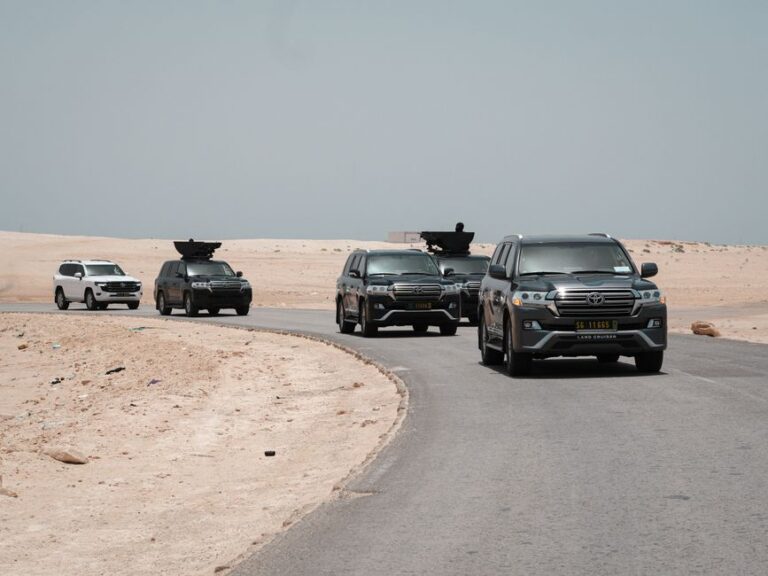
Mali in Crisis as Russian Forces Withdraw from Kidal, Rebels Seize Strategic City

Mali is facing its most severe security crisis in years after Russian paramilitary forces withdrew from the strategic northern city of Kidal, allowing jihadist and Tuareg rebel forces to seize control of a stronghold that had long symbolized the state’s authority over its restive north.
The withdrawal, confirmed by Russia’s Africa Corps on Saturday, came just days after coordinated attacks across the country killed Mali’s Defence Minister Sadio Camara and struck military installations near the capital Bamako. A senior Malian official told Radio France Internationale that Russian forces had “betrayed” Bamako by abandoning their posts before the rebel offensive.
“The Russians betrayed us in Kidal,” the official said. “We warned them three days before the attack, and they did nothing.”
A Symbolic Defeat
The fall of Kidal is more than a tactical setback—it is a profound symbolic blow to Mali’s ruling junta, which has staked much of its legitimacy on the partnership with Russian forces. Since 2021, the Africa Corps—the Kremlin-controlled successor to the infamous Wagner Group—has been a central pillar of the military government’s security strategy.
Malian forces, backed by Russian paramilitaries, had recaptured Kidal in November 2023 after years of control by Tuareg rebels. Its loss, achieved without a fight, raises fundamental questions about the reliability of the Russia-Mali security partnership and the ability of the junta to hold territory without foreign backing.
Coordinated Offensive
The attacks that preceded the Kidal withdrawal were among the most sophisticated and coordinated that Mali has faced in years. Fighters from JNIM—an al-Qaeda-linked group—and the Azawad Liberation Front, a Tuareg separatist movement, launched simultaneous strikes targeting the military garrison town of Kati near Bamako, the capital’s airport zone, and several northern towns including Kidal.
Defence Minister Sadio Camara, one of the architects of Mali’s partnership with Russian mercenaries, was killed in the attack on his residence in Kati. The scale and coordination of the offensive demonstrated that jihadist and separatist forces can strike deep inside Mali, even in areas once considered secure.
“After nearly 20 years of military interventions by the US, French, European, African and Russian partners, the jihadists have only multiplied their areas of operation,” said Sahel specialist Corinne Dufka.
Questions Over Russia’s Role
Russia’s foreign ministry has said operations against insurgents are continuing, but the retreat from Kidal has raised fresh doubts about Moscow’s long-term military commitments in the Sahel. Reports suggest Russian forces may be preparing to withdraw from other northern positions, potentially leaving the junta without its most capable fighting force.
General Assimi Goita, Mali’s military leader, has not appeared publicly since the attacks began, fueling questions about the military government’s resilience. Burkina Faso and Niger, Mali’s partners in the Alliance of Sahel States, have issued statements of support but have not visibly intervened militarily despite their stated mutual defence pact.
The collapse of Mali’s northern front has broader implications for the Sahel region, which has seen a wave of military coups and a shift away from Western security partnerships toward Russia and China over the past five years.
More From Conflict & Security
South Africa probes death of Nigerian man who collapsed during arrest
Arrest of Nigerian soldier over alleged links to criminals deepens scrutiny of military conduct