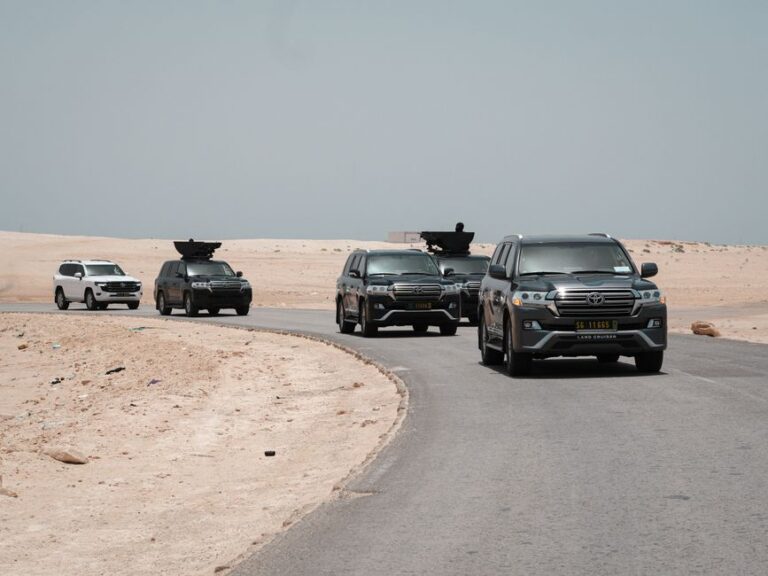
Mali in Crisis: Joint Jihadist-Tuareg Offensive Exposes the Limits of Russia-Backed Security
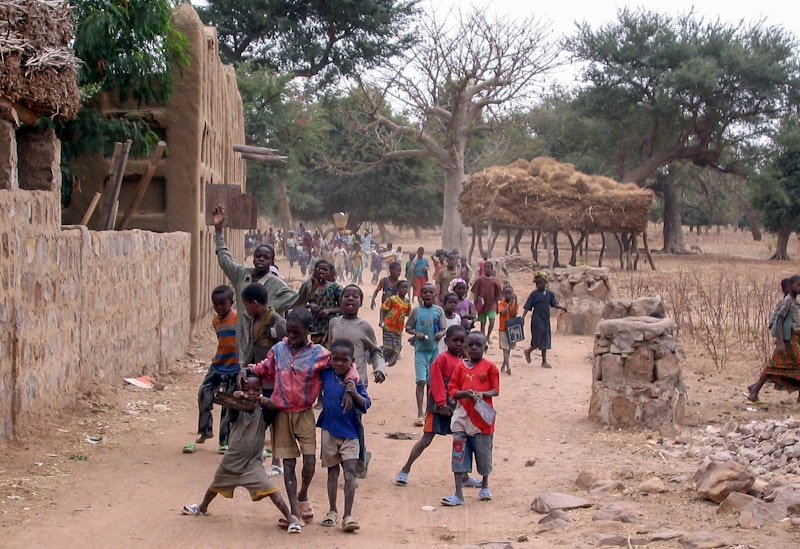
Mali’s ruling military junta is facing the most serious security crisis in over a decade after a sweeping coordinated offensive by Tuareg separatists and al-Qaeda-linked jihadists killed the country’s defence minister, General Sadio Camara, and forced the withdrawal of Russian Africa Corps mercenaries from the historic northern city of Kidal.
The attacks, launched on Saturday, targeted multiple locations simultaneously across the country, including the main army base outside the capital Bamako, the garrison town of Kati near the capital, and positions in Mopti, Sevare, and Gao. The coordination and scale of the assault has stunned military analysts and laid bare the fragility of a security architecture that has relied heavily on Russian paramilitaries since France withdrew its forces in 2022.
Defence Minister Killed, Kidal Falls
General Sadio Camara, widely seen as the second most powerful figure in the junta and a key architect of Mali’s pivot to Russia, was killed in an apparent suicide truck bomb attack on his residence in Kati. The attack on Kati, the junta’s de facto headquarters, was particularly symbolic, demonstrating the insurgents’ ability to strike at the heart of military power even in areas considered strongly held.
In the north, fighters from the Azawad Liberation Front (FLA), the Tuareg separatist group, seized full control of Kidal after securing a deal for the withdrawal of the Russian Africa Corps. The loss of Kidal, which the junta and its Russian allies had captured in late 2023, represents a major strategic and propaganda defeat.
Russia’s Africa Corps acknowledged the withdrawal on Monday, saying the situation in Mali remains difficult. The Kremlin called for stability, though its ability to reverse the momentum of the rebel offensive remains unclear.
The JNIM-FLA Alliance
The coordinated attacks mark the first large-scale cooperation between JNIM, al-Qaeda’s Sahel franchise, and the Tuareg separatist FLA since 2012, when a similar alliance briefly seized control of two-thirds of the country before French military intervention pushed the Islamists back.
Analysts say the new collaboration gives both groups capabilities they lacked acting alone. The Tuaregs bring local knowledge, decades of fighting experience, and popular support in the north. JNIM brings thousands of battle-hardened fighters and a proven capacity for large-scale attacks. Together, they present a challenge that Mali’s military, even with Russian support, appears to be struggling to contain.
JNIM’s leader, Iyad ag Ghaly, has sought to position the group as a defender of Tuareg interests against the Bamako junta, though analysts caution that the two groups have fundamentally different long-term goals. This is a marriage of convenience between forces that share a common enemy but little else, said Ulf Laessing of the Konrad Adenauer Foundation. The jihadists will use the Tuaregs, and when the moment is right, they will move against them.
What the Fall of Kidal Means
Kidal’s capture is the most politically damaging element of the offensive. The city has been the historic capital of Tuareg political aspirations and the base from which multiple rebellions have been launched since Mali’s independence from France in 1960. Its fall in 2012 sparked a crisis that eventually required French military intervention to prevent the complete collapse of state authority in the north.
The junta’s capture of Kidal in late 2023 was celebrated as the vindication of its Russia-first security strategy. The city’s loss now, less than two years later, raises profound questions about whether that strategy was ever sustainable, and whether the junta’s dependence on Russian mercenaries created vulnerabilities that were never properly addressed.
Military experts say the Africa Corps is well suited to certain types of operations but less capable of the large-scale territorial control and population security that would be needed to hold a city like Kidal against a determined, well-coordinated enemy. The withdrawal from Kidal suggests that even that limited utility is now in question.
International Reactions and the Road Ahead
The United Nations Secretary-General expressed deep concern over the attacks and called for international assistance. The African Union and ECOWAS have issued statements calling for an immediate ceasefire, though the conditions for any negotiated solution appear distant.
France, which maintained a military presence in Mali for nearly a decade before its acrimonious withdrawal following the 2020 coup, has given no indication of a willingness to return. The junta’s turn toward Moscow and its break with Western partners have left Mali politically isolated in a way that limits its options for building a credible response to the offensive.
More From Conflict & Security
South Africa probes death of Nigerian man who collapsed during arrest
Arrest of Nigerian soldier over alleged links to criminals deepens scrutiny of military conduct