Kenyan Political Leaders Intensify Church Appearances Ahead of 2027 General Elections
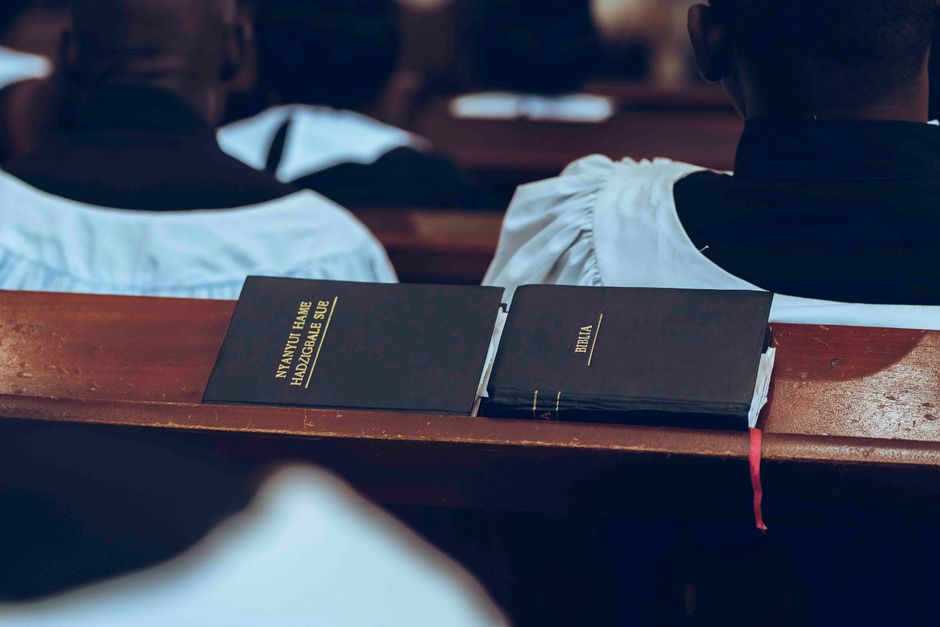
Nairobi — As Kenya’s 2027 general elections draw closer, the country’s leading political figures have noticeably increased their public appearances at churches and religious gatherings across multiple Christian denominations, according to observers and recent reporting by the Vatican-based news agency Agenzia Fides.
A Longstanding Tradition
The intersection of faith and politics in Kenya is a well-established feature of the country’s electoral landscape. With a predominantly Christian population, churches have long served as platforms where politicians seek to connect with voters, deliver messages of hope, and cultivate relationships with influential religious leaders. Ahead of every major electoral cycle, candidates and incumbents alike devote considerable time to attending Sunday services, church fundraising events, crusades, and religious conferences.
Multi-Denominational Engagement
Reports indicate that the current trend extends beyond any single church tradition. Political leaders from across the spectrum have been sighted at services held by mainstream Protestant denominations, evangelical and Pentecostal churches, as well as Catholic congregations. This broad engagement reflects both the demographic diversity of Kenya’s Christian community and the strategic recognition that no single denomination can deliver a national electoral majority.
The Role of Religious Leaders
Clergy in Kenya often hold considerable moral authority and can shape the political views of large followings. Past election cycles have seen pastors and bishops openly endorse candidates, organize prayer rallies on behalf of political aspirants, and occasionally mediate political disputes. The heightened church attendance by politicians ahead of 2027 is widely interpreted as part of an effort to build or maintain these crucial alliances well before the official campaign period intensifies.
Balancing Faith and Politics
Analysts note that while church attendance by politicians is a familiar ritual, it also raises questions about the boundaries between spiritual leadership and partisan engagement. Some religious leaders have called for greater transparency regarding political endorsements, while others emphasize the importance of civic participation by believers and political leaders alike. As the countdown to the 2027 vote continues, the pulpit is likely to remain one of the most active stages on Kenya’s political circuit.
Source: AllAfrica — read the original report.