Israel and Somaliland deepen ties six months after recognition, eyeing Red Sea foothold
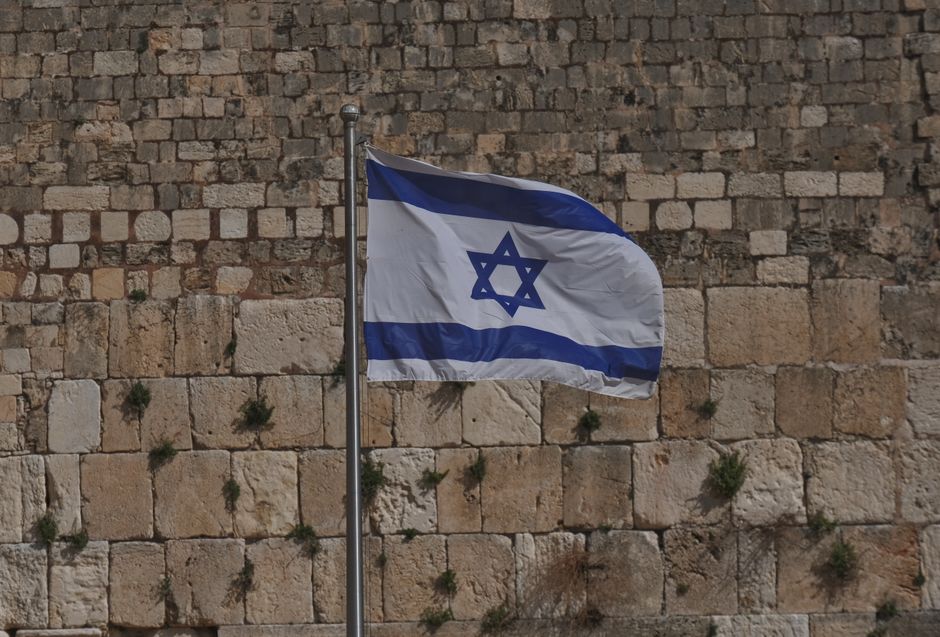
Israel has rolled out a formal welcome for the leader of Somaliland, marking what both sides describe as a transition from the symbolism of diplomatic recognition to a more concrete phase of bilateral cooperation. The visit comes roughly six months after Israel became one of the few countries in the world to officially recognise the self-declared republic, a move that drew sharp criticism from Somalia and raised questions across the Horn of Africa about the balance of influence in a strategically vital waterway.
From recognition to engagement
When Israel’s recognition was first announced, much of the international attention focused on the political weight of the decision rather than on what practical cooperation might follow. According to officials involved in the process, that phase is now underway, with discussions covering areas ranging from trade and investment to security coordination and infrastructure. Officials have pointed to the Red Sea corridor, one of the world’s most heavily trafficked shipping lanes, as a central motivation for Israel to cultivate closer relations with a state that commands part of its coastline.
The strategic geography of the Red Sea
The Red Sea connects the Mediterranean to the Indian Ocean through the Suez Canal and the Bab el-Mandeb strait, making it a critical artery for global energy shipments and commercial cargo. Israel, which has sought to expand its maritime partnerships in recent years, has framed its outreach to Somaliland as part of a broader effort to diversify its regional relationships and secure access points along the waterway. Somaliland, in turn, has been eager to attract foreign investment and international legitimacy, having declared independence from Somalia in 1991 without securing widespread recognition.
Regional reactions and unresolved disputes
The closer embrace between Israel and Somaliland continues to draw objections from the federal government in Mogadishu, which considers Somaliland part of its territory and has condemned the recognition as a violation of its sovereignty. Neighbouring states and regional bodies have largely maintained their longstanding position of supporting Somalia’s territorial integrity, a stance that places limits on how broadly Israel’s diplomatic opening can translate into formal agreements. Analysts suggest that the practical cooperation now being pursued may evolve more quietly through commercial and security channels than through additional high-profile recognition steps.
What cooperation could look like
Officials speaking about the new phase have highlighted areas such as port activity, agricultural technology, and counterterrorism coordination as possible pillars of the relationship. The emphasis on port development reflects Somaliland’s location along the Gulf of Aden, a stretch of water that carries significant naval traffic from several global powers. Whether these plans translate into binding agreements will likely depend on political developments both in the Horn of Africa and in Israel, where the broader Middle East agenda continues to evolve.
The deepening of Israel-Somaliland ties illustrates how smaller diplomatic alignments can carry outsized strategic significance when they intersect with major shipping routes. As both sides describe a shift from symbolism to substance, the coming months are likely to test whether the partnership can produce tangible outcomes — and how those moves will be received by a region still divided over Somaliland’s status.
Source: Al Jazeera — read the original report.