Ghana’s slavery apology: Why descendants say gestures without reparative action fall short
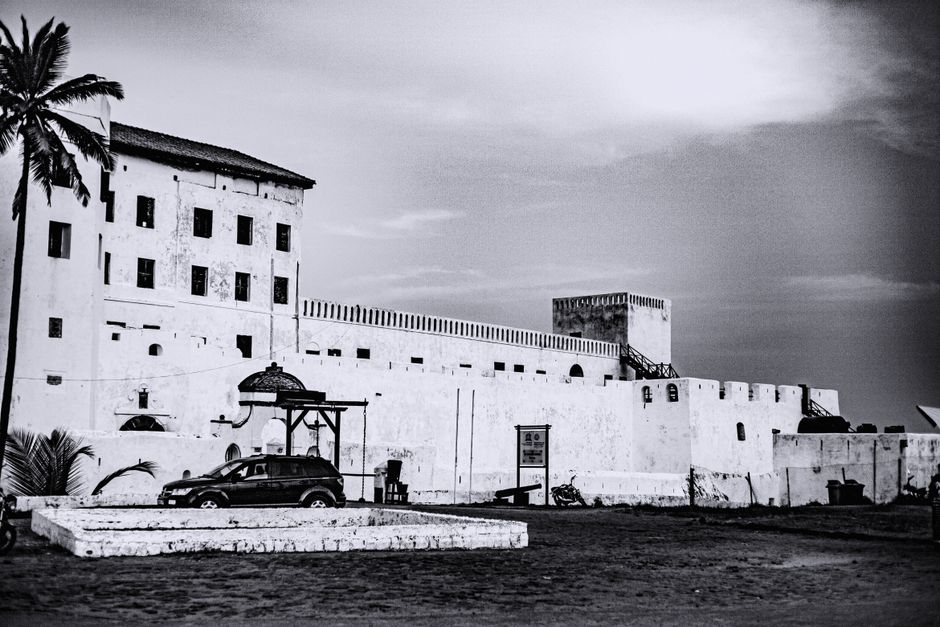
When Ghana issued an apology over its role in the transatlantic slave trade, the statement was framed as a historic moment of reckoning. Yet for many descendants of enslaved Africans, the gesture has reignited a familiar debate: whether symbolic remorse can ever substitute for material reparation, structural recognition, and policy change.
A gesture without a roadmap
Apologies for historical wrongs have, in recent years, become a recurring feature of political life across the world. Governments and institutions have issued statements of regret for slavery, colonialism, and racial violence. For some, these words represent a necessary moral starting point. For others, they risk becoming a substitute for action, allowing societies to acknowledge past cruelty while leaving its contemporary consequences unaddressed.
Descendant communities argue that the trauma of enslavement did not end with abolition. Generations of exclusion, displacement, and economic marginalisation, they say, are direct continuations of a system that stripped Africans of land, labour, and lineage. An apology, in their view, must be accompanied by investment in education, repatriation frameworks, cultural preservation, and support for communities still living with the legacy of slave trading.
Ghana’s complex inheritance
Ghana occupies a particularly layered position in this history. Coastal sites such as Cape Coast Castle and Elmina Castle remain stark physical reminders of the trade in human beings, places where enslaved Africans were held before being transported across the Atlantic. Today, these sites function as museums and memorials, drawing visitors from across the diaspora who travel to Ghana in search of ancestral connection.
That dual role, custodian of memory and inheritor of complicity, complicates the country’s public stance. Some Ghanaian commentators have urged deeper national reflection on the role played by local rulers and merchants in supplying captives. Others caution that external pressure on African governments to apologise can obscure the responsibilities of the European powers that financed and profited most directly from the trade.
Reparations and the unfinished debate
The question of reparations continues to move slowly through courts, parliaments, and international forums. Advocates argue that financial compensation, debt relief for affected nations, and restitution of cultural artefacts are essential to closing a centuries-old wound. Skeptics counter that reparations are impractical, politically unworkable, or that guilt cannot be assigned to descendants of those who were themselves victims of the trade.
For descendant communities, however, the argument is not abstract. It is rooted in families separated, languages lost, and identities fractured. They contend that until policy and resources follow the rhetoric, apologies, however heartfelt, will remain incomplete.
Beyond symbolism
The response to Ghana’s apology reflects a broader shift in how societies are being asked to confront historical injustice. Across continents, descendant movements are pushing back against what they describe as a politics of sentiment, one that allows nations to perform remorse without altering the structures that continue to reproduce inequality. Whether Ghana’s words translate into lasting change may depend less on the apology itself than on what follows it.
Source: Al Jazeera — read the original report.